
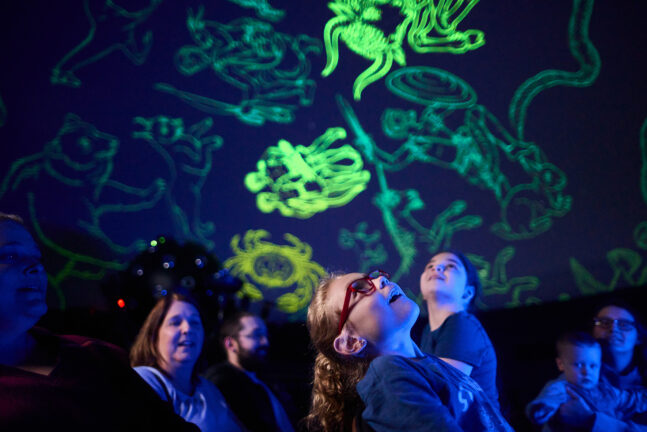
Sit back and experience the wonders of the night sky with expert astronomers and educators. Be prepared to open your eyes to a whole new world—or worlds!
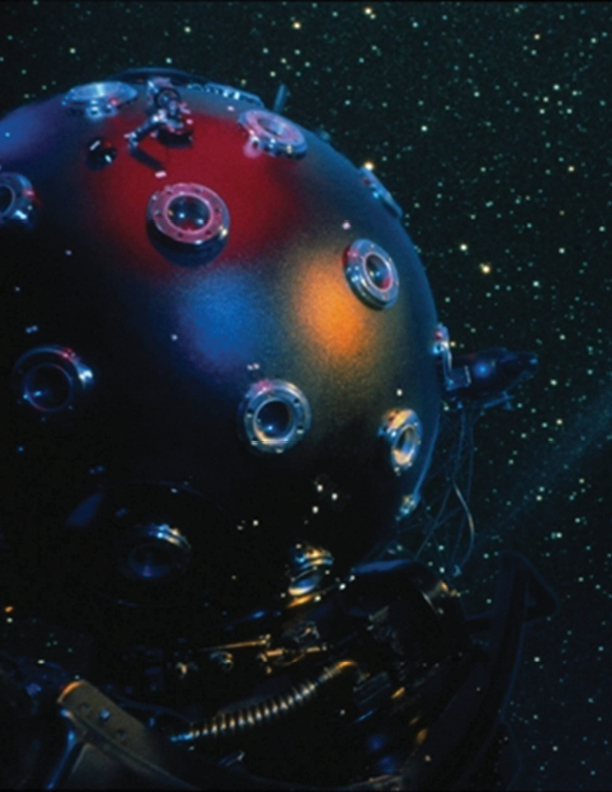
The Seymour Planetarium is home to historically significant astronomy education tools as well as modern digital presentations. The Korkosz projector is a remarkable example of Springfield ingenuity. Still used in our planetarium presentation, this Springfield-made “star ball” is the oldest operating American-made projector in the world. A new full-dome video system using Zeiss Velvet projectors covers the dome with images and video, creating immersive experiences in Astronomy and Earth Science. These projectors are the only projectors in the world that have a pure black background, enhancing the beauty of our historic Korkosz projector’s optical star field.
The planetarium seats 75, and multiple schools are scheduled in the planetarium at one time. Students get preferred seating; adults may be asked to stand or tour the museum during the show. All planetarium shows are 1 hour in duration.
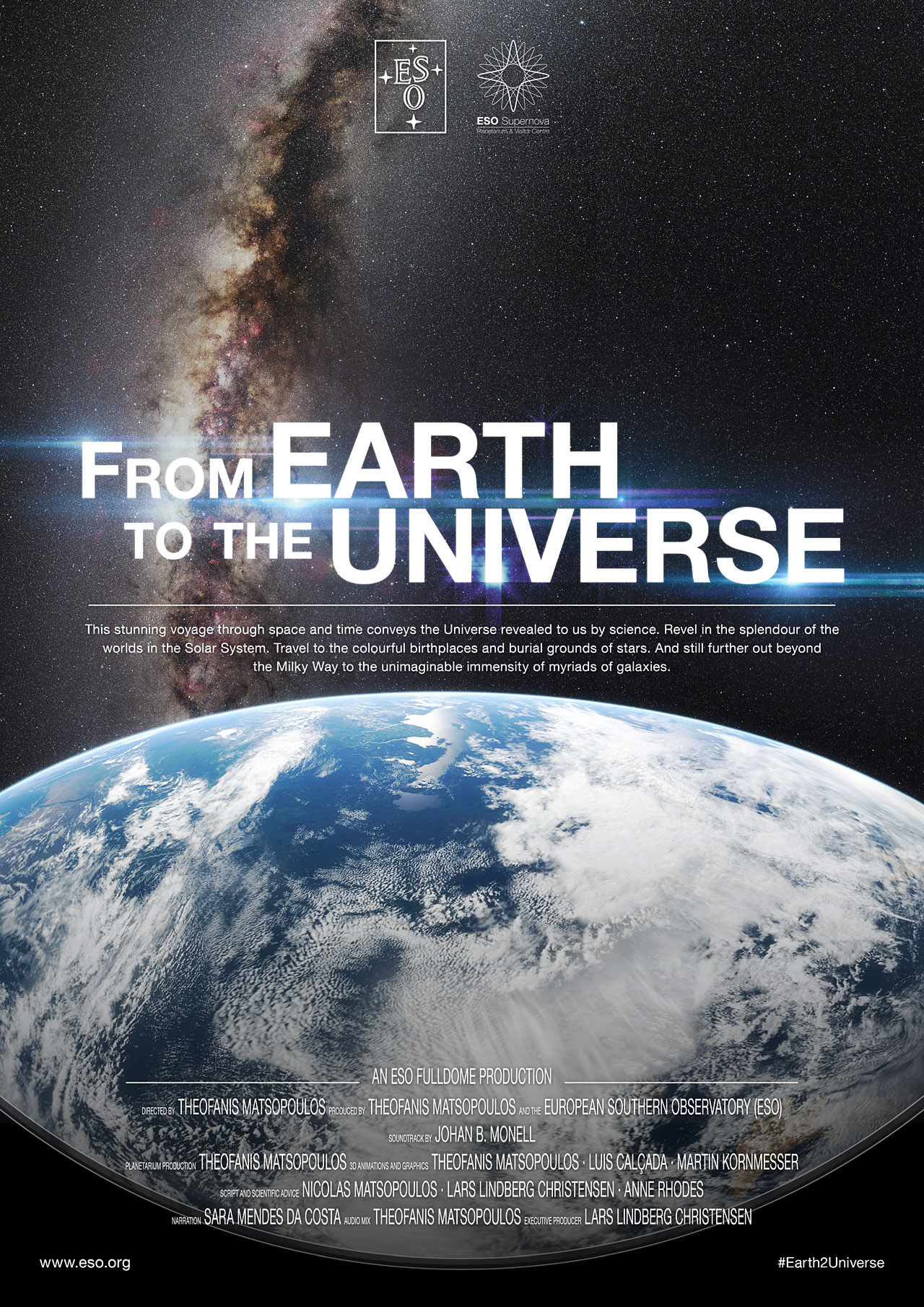
From the Earth to the Universe
Grades 4 and up
The night sky, both beautiful and mysterious, has inspired awe and been the subject of campfire stories, and ancient myths for as long as there have been people. A desire to comprehend the Universe may well be humanity’s oldest shared intellectual experience. Yet only recently have we truly begun to grasp our place in the vast cosmos. To learn about this journey of celestial discovery, from the theories of the ancient Greek astronomers to today’s grandest telescopes, we invite you to experience From Earth to the Universe.
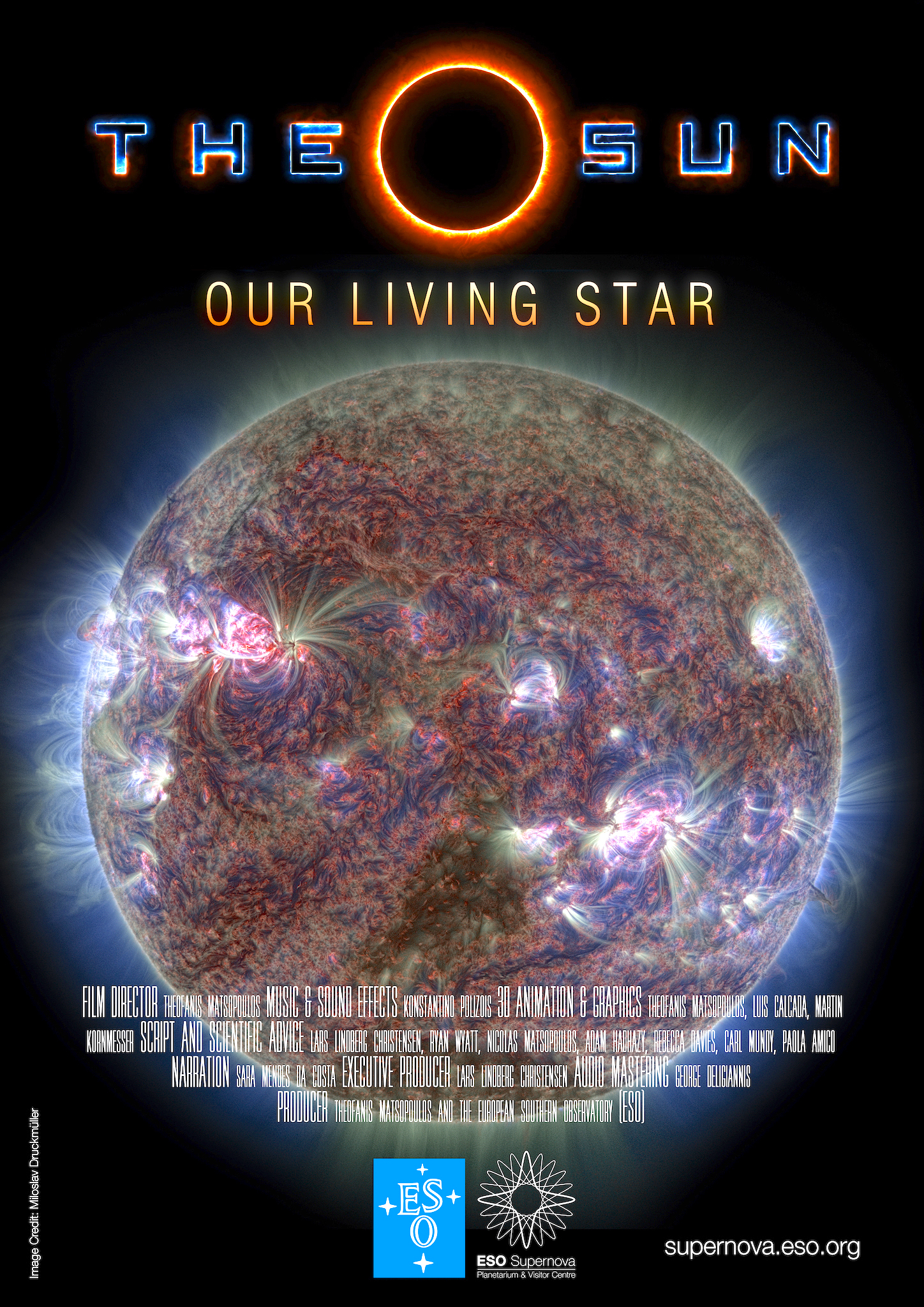
The Sun Our Living Star
Grades 6 and up
The Sun has shone on our world for four and a half billion years. The light that warms our skin today has been felt by every person who has ever lived. It is our nearest star and our planet’s powerhouse, the source of the energy that drives our winds, our weather, and all life.
The passage of the Sun’s fiery disc across the sky — day by day, month by month — was the only way to keep track of time for countless past civilizations. Don’t be fooled by the terminology; although it is a typical dwarf star, the Sun consumes 600 million tons of hydrogen each second and is 500 times as massive as all the planets combined. Discover the secrets of our star in this planetarium show and experience never-before-seen images of the Sun’s violent surface in immersive full-dome format.
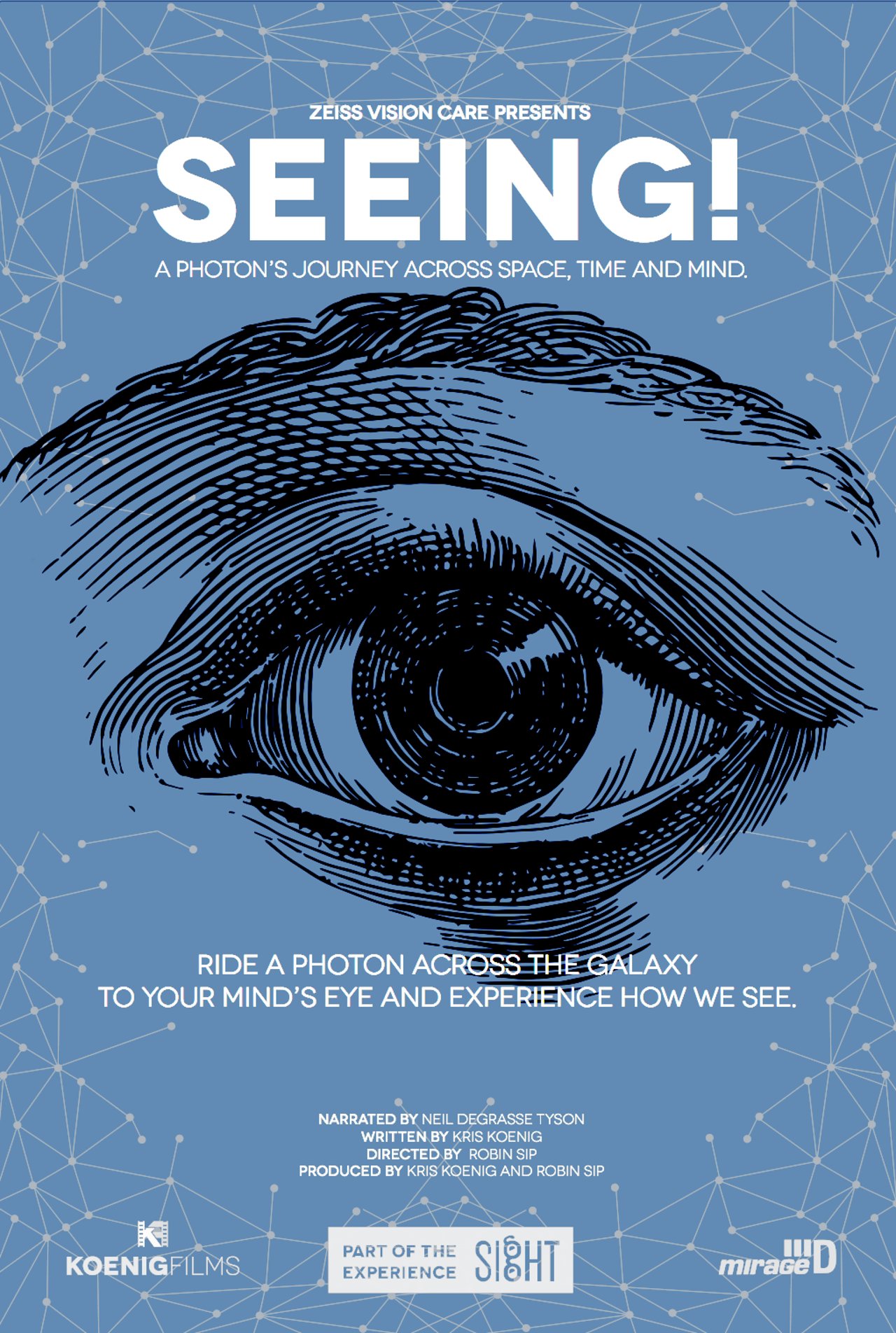
Seeing! A photon’s journey across space, time and mind
Grades 8 and up
Follow the journey of a single photon as it is produced in a distant star, before traveling across the vast expanse of space to land on someone’s retina. This full-dome planetarium show explores some of the fascinating processes of the cosmos, from astrophysics to the biology of the eye and brain. Funded through a generous grant from ZEISS, the show is narrated by astronomer and science communicator, Neil deGrasse Tyson.

Living Worlds
Grades 5 and up
Whether earthly or alien, all life leaves a trace. Join narrator Daveed Diggs on a journey through space and time to discover how life makes Earth livable, where it could be found elsewhere in the cosmos, and what new technologies we might use to find it. Along the way, you’ll learn how light and color can help us spot other living worlds even from vast distances—and develop a new appreciation for the one-of-a-kind planet right beneath our feet.
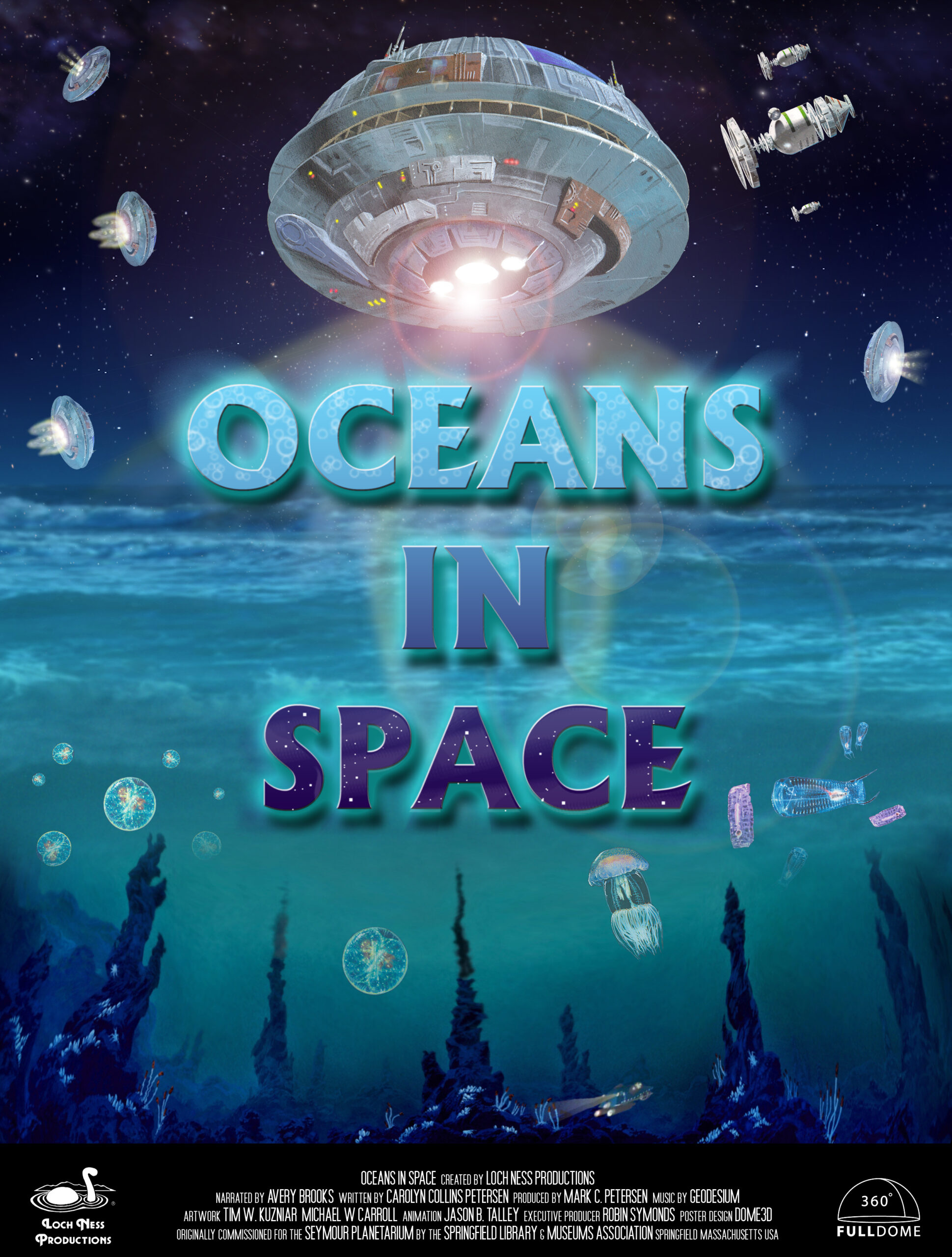
Oceans in Space
Grades 2-4
A journey of exploration that seeks out places where conditions are favorable for life to exist. This original and thought-provoking presentation highlights the search for extrasolar planets and an understanding of the conditions necessary to form and sustain life. Inspired in part by the goals of NASA’s Origins Program — an effort to answer the enduring questions that spur space exploration — this program introduces audiences to the diversity of life on our home planet even as humans embark on the search for life in the universe.

Vincent’s Starry Sky
Grades 6 and up
Discover the planets, stars, and astronomical phenomenon lit up the sky in late 19th century France and the Netherlands when Vincent painted them in his signature striking blues and yellows. Learn more about the context in which he painted and hear quotes from letters Vincent sent to his younger brother Theo during the last six years of his career and life.
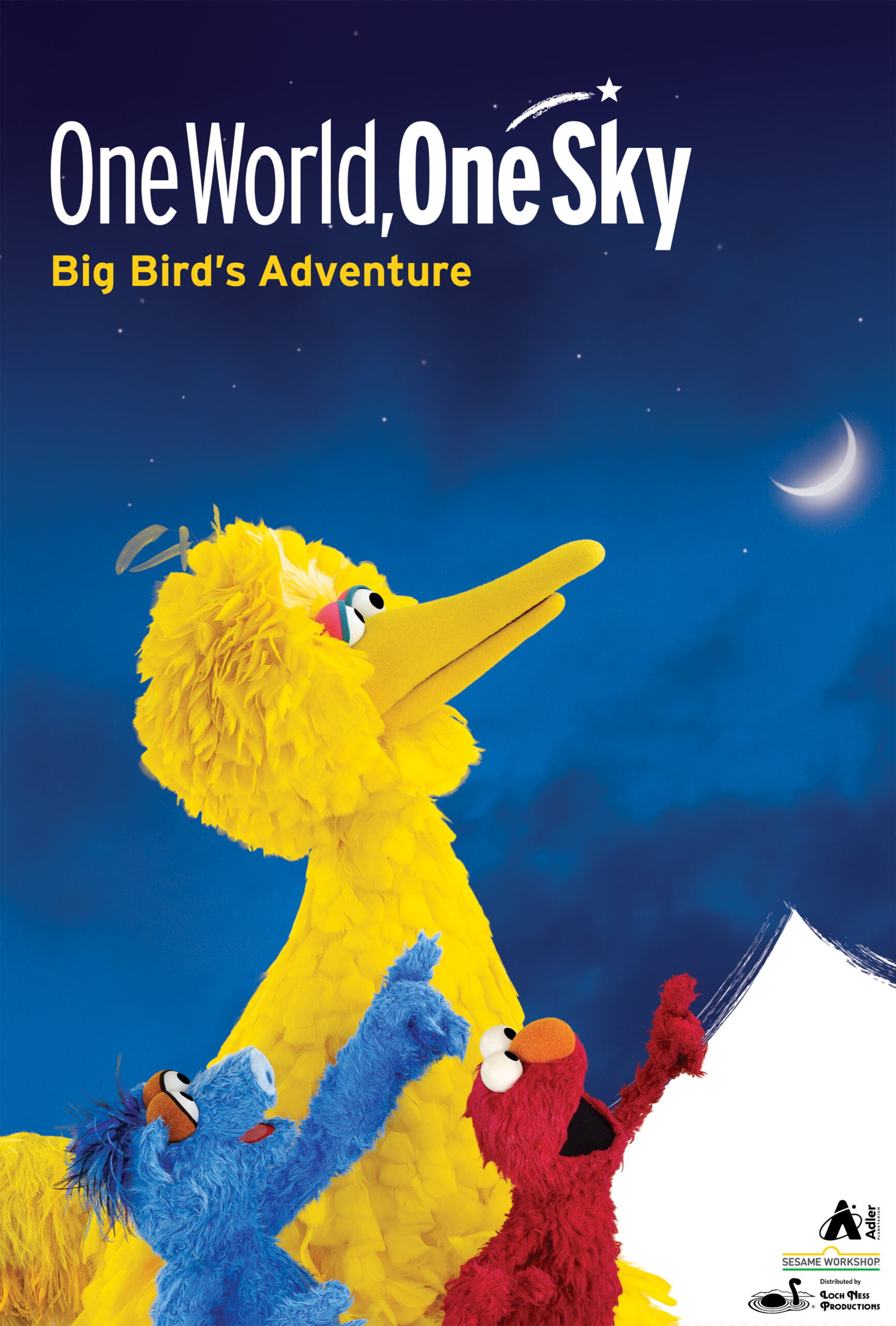
One World, One Sky
Grades PreK-2
Follow Sesame Street’s Big Bird and Elmo as they explore the night sky with Hu Hu Zhu, a Muppet from Zhima Jie, the Chinese co-production of Sesame Street. Together, they take an imaginary trip from Sesame Street to the moon, where they discover how different it is from Earth.
The Sky through the Seasons
All Ages
The science and multicultural mythology of the stars, constellations, and planets that are visible in the sky tonight and how it will change with the seasons.
Our Cosmic Neighborhood
All Ages
Through dramatic planetarium images and effects, participants explore their cosmic neighborhood, the solar system. Concepts include the nature of the sun, moon and planets, the Earth’s rotation and revolution, and a look at the other members of our solar system, including moons and comets.
Your Night Sky Live!
All Ages
Using our historic star projector and effects from our new Zeiss full-dome system, learn about stars, constellations, and other sights in the night sky that you can find over the next few weeks.