Enjoy virtual school vacation week activities, inspired by the special exhibit Dinosaur Train and our permanent collections.
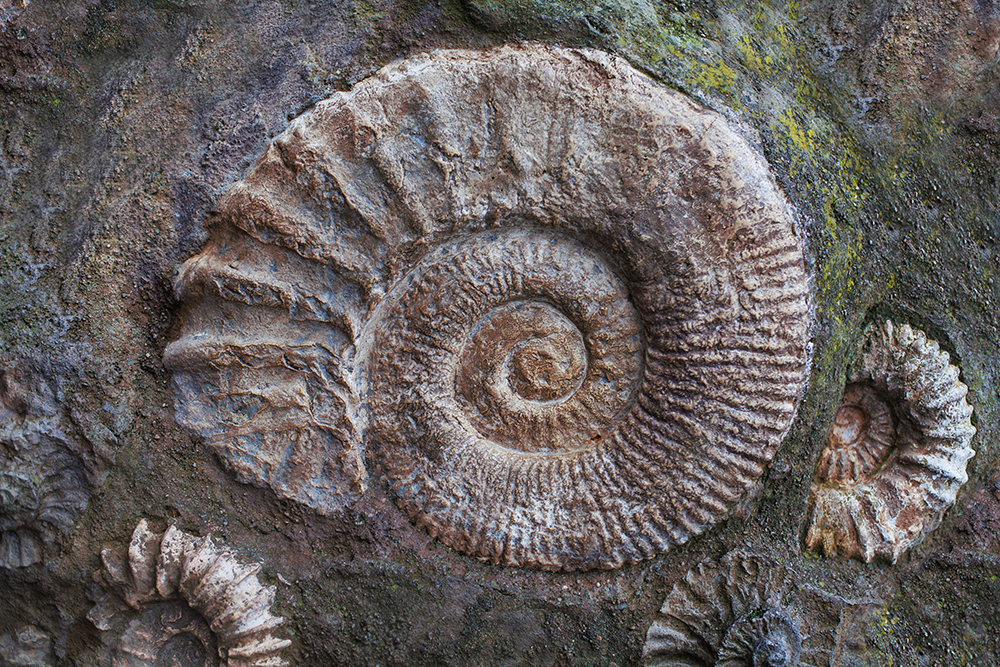
What exactly is a fossil? A fossil is the remains, impression, or trace of a living thing from a former geological age. Examples of fossils can include bones, exoskeletons, imprints, objects in amber, hair, petrified wood, or even just DNA.
This ancient fish known as Pachycormus bollensis swam in the oceans during the Jurassic geological period, about 190 million years ago. The Science Museum purchased this beautiful specimen from Ward’s Natural Science Establishment in 1895. The fossil was collected from the Lias Formation in Holzmaden, Germany.

Why do we study fossils?
Fossils help us learn about the long history of life on Earth, including dinosaurs! Paleontologists are learning new things from fossils every day!
This bone was found in New Mexico in 1924. Paleontologists originally thought it was a Tyrannosaurus rex bone, but in 2014 further study revealed that it is an Alamosaurus bone.

Alamosaurus was the largest dinosaur known to have lived in North America, and this one would have been 92 feet long!
Here is the fossilized bone on display at the Springfield Science Museum. You can see a drawing of the alamosaurus posted behind the bone.

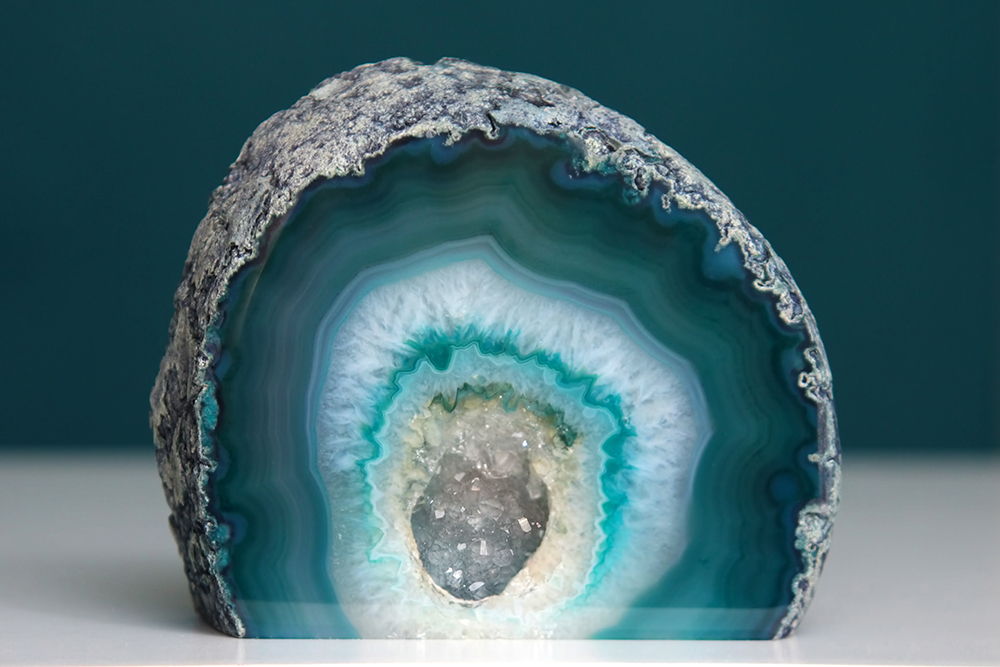
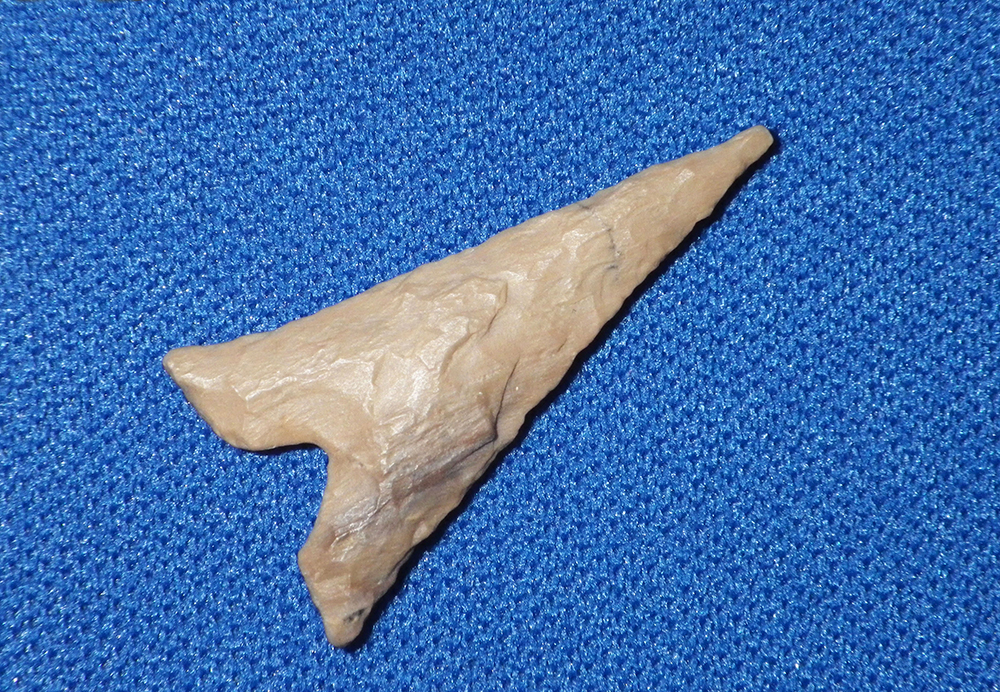
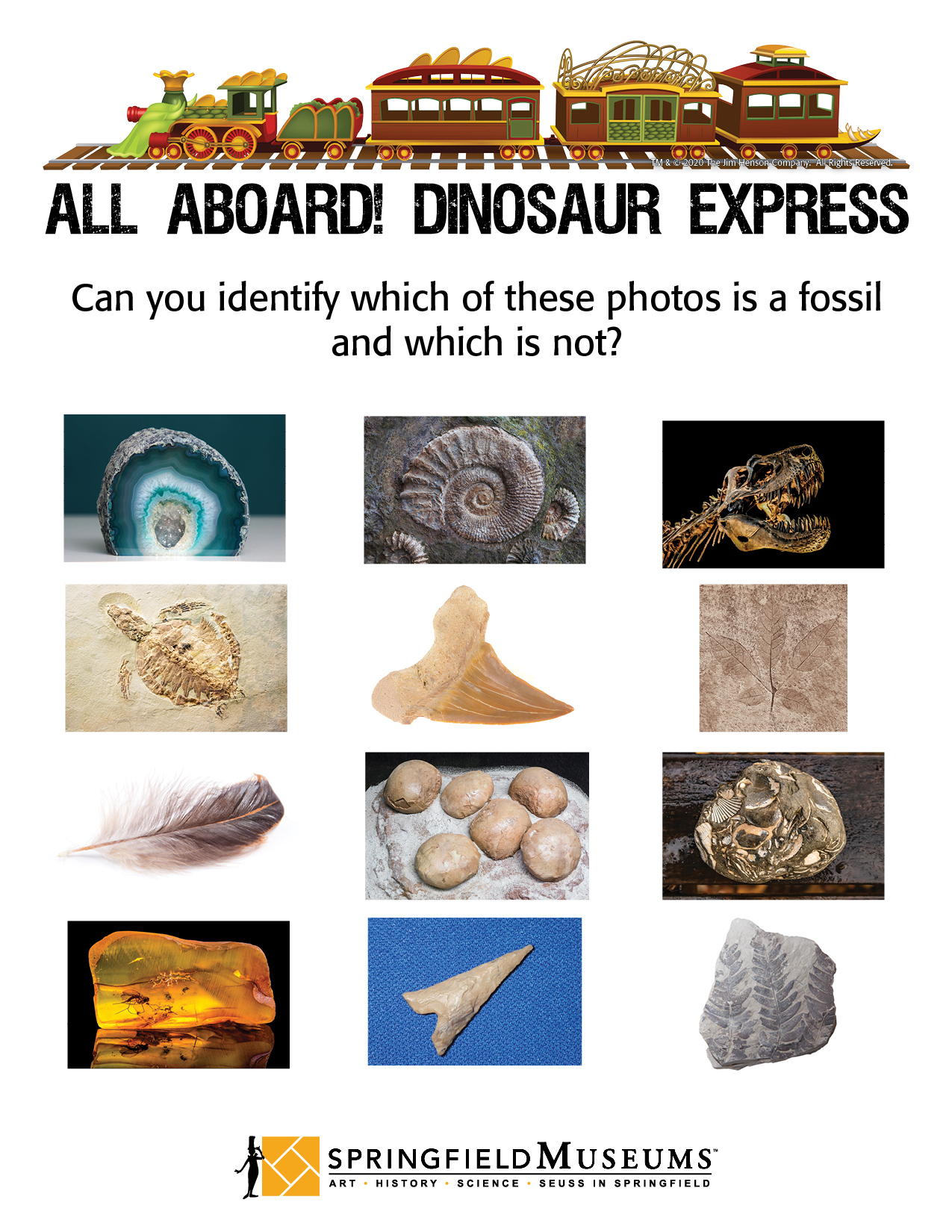
Now that we know what a fossil is, can you identify which of these photos is a fossil and which is not? Scroll through the gallery or print out the worksheet.
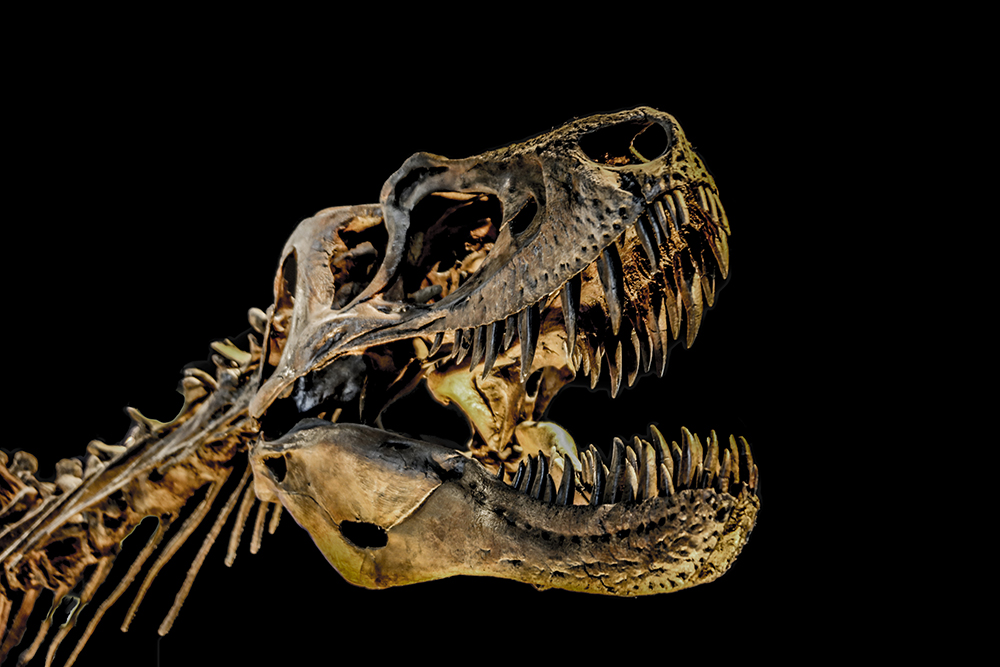
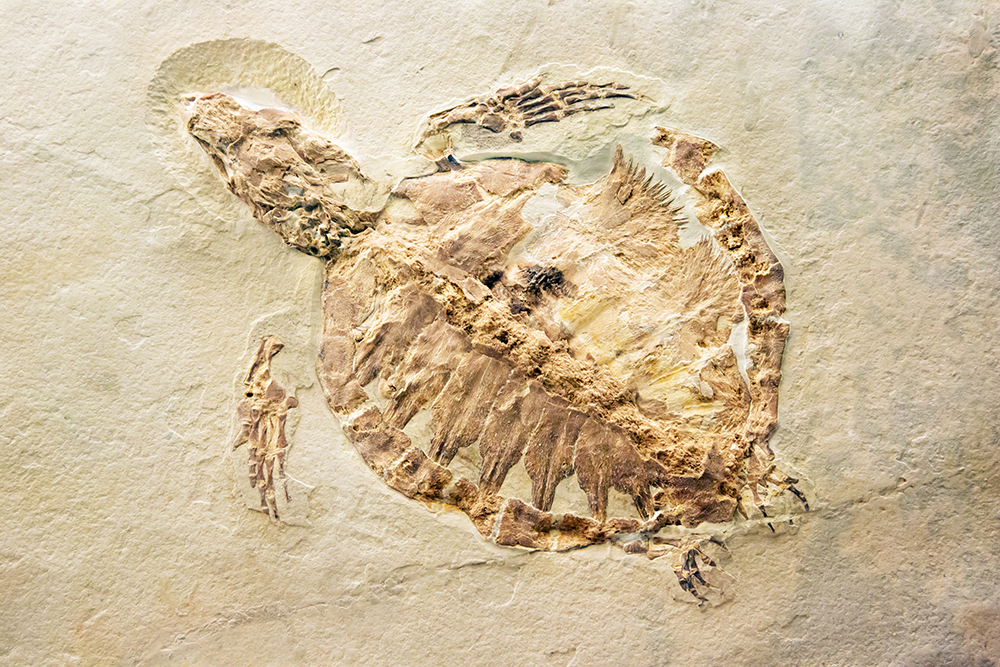
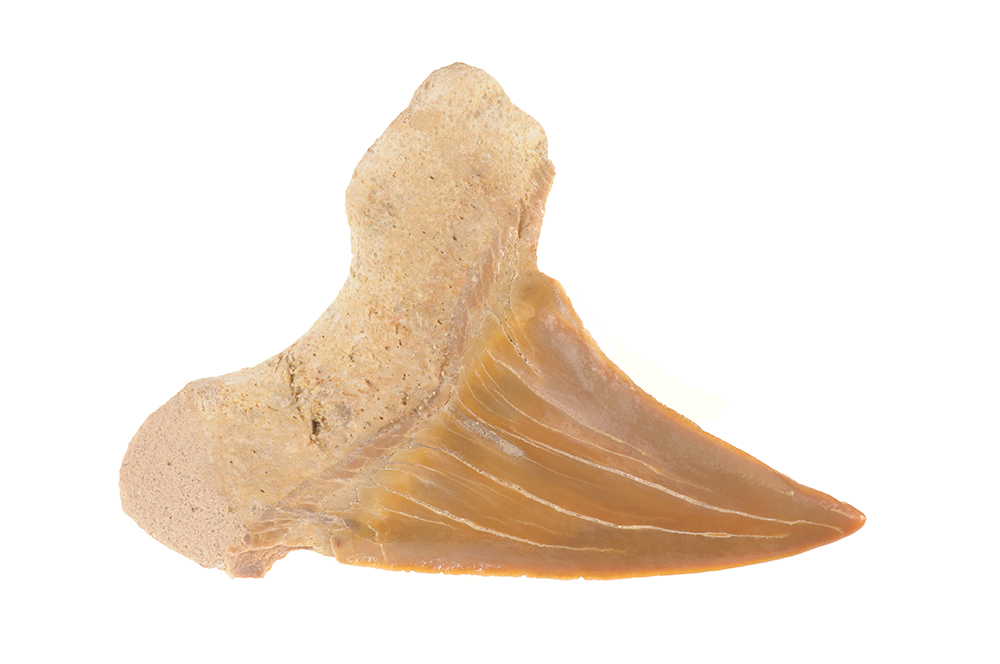
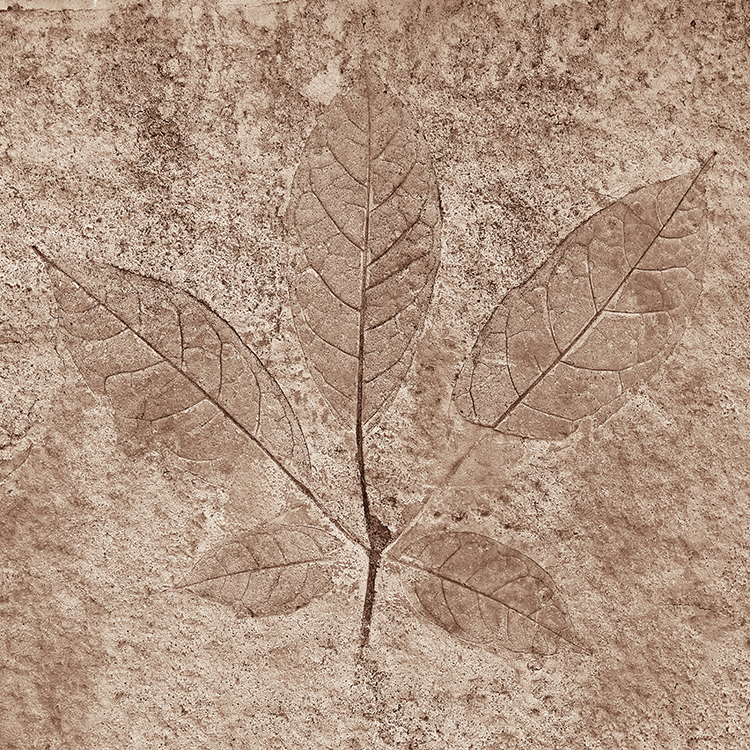
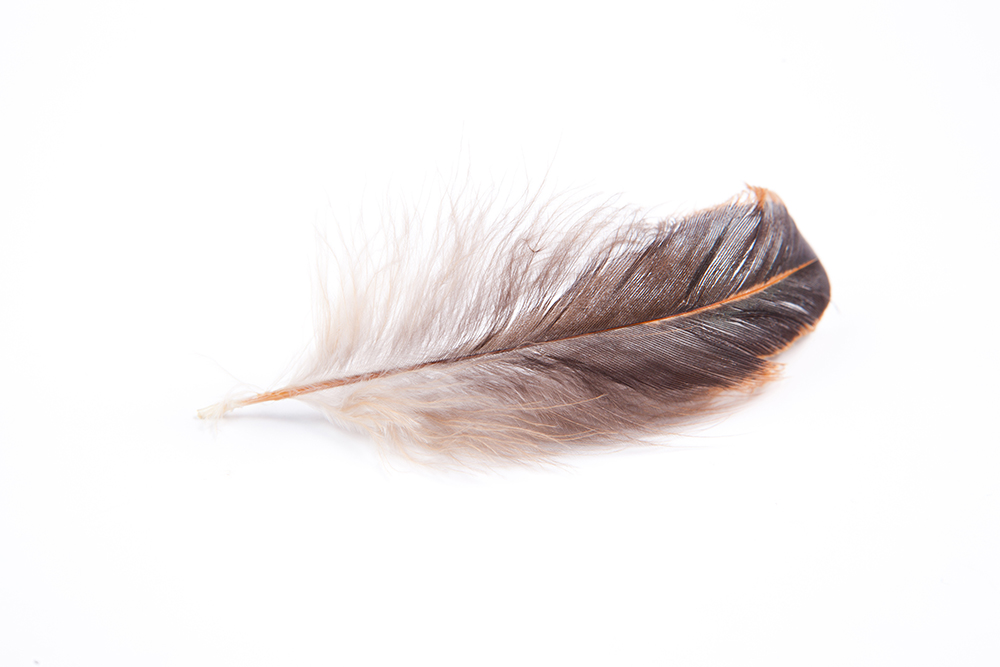
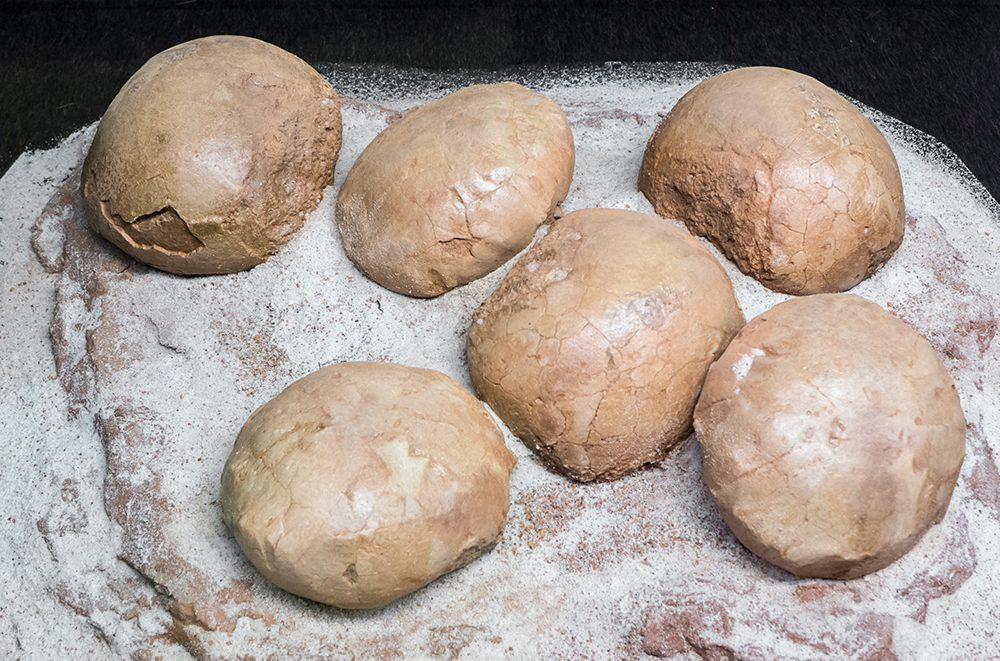
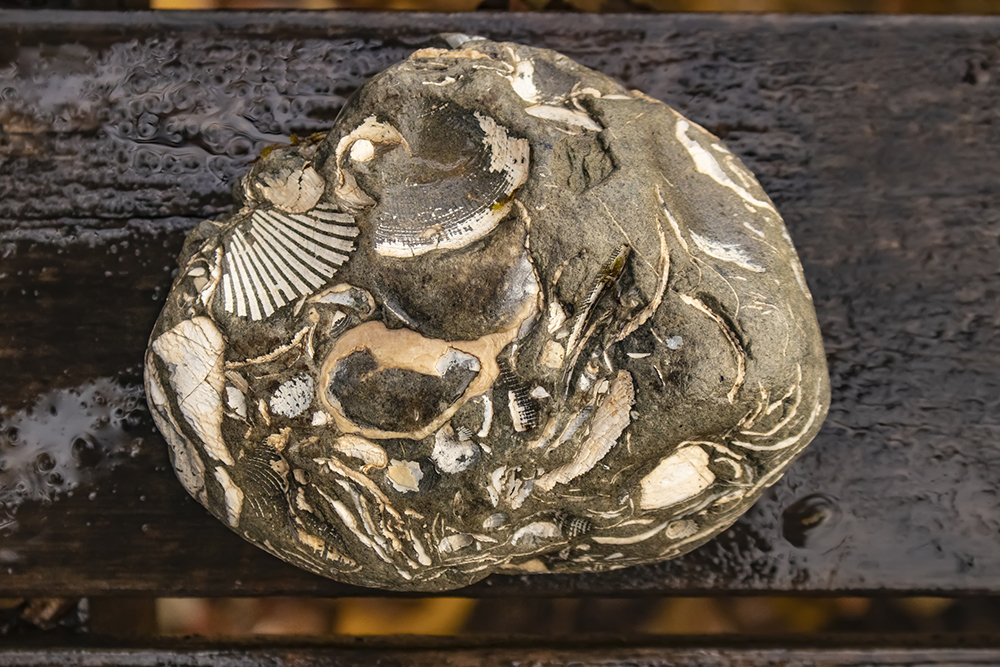
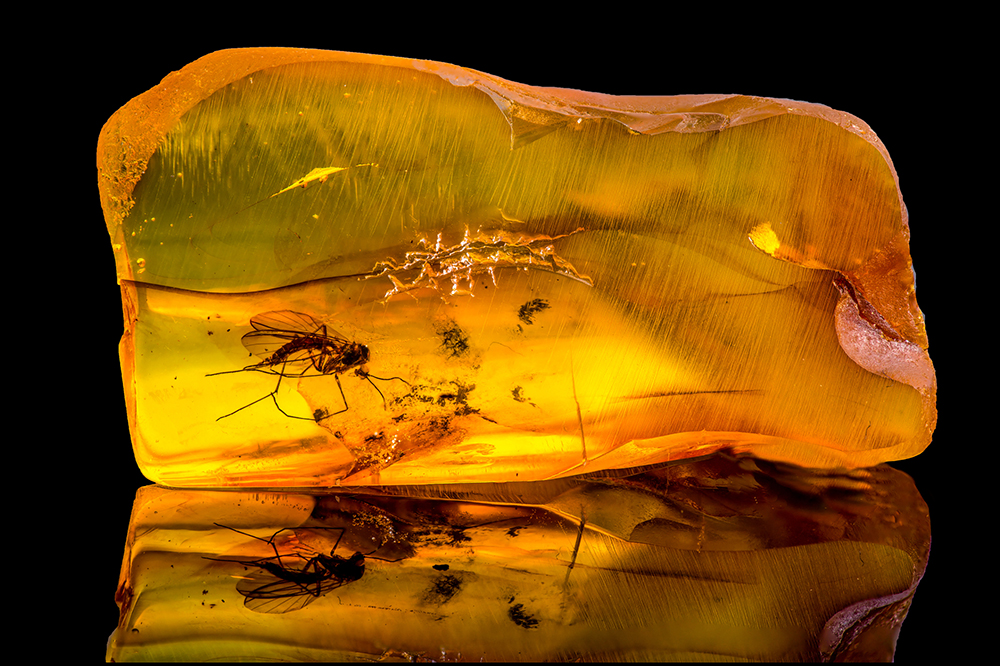
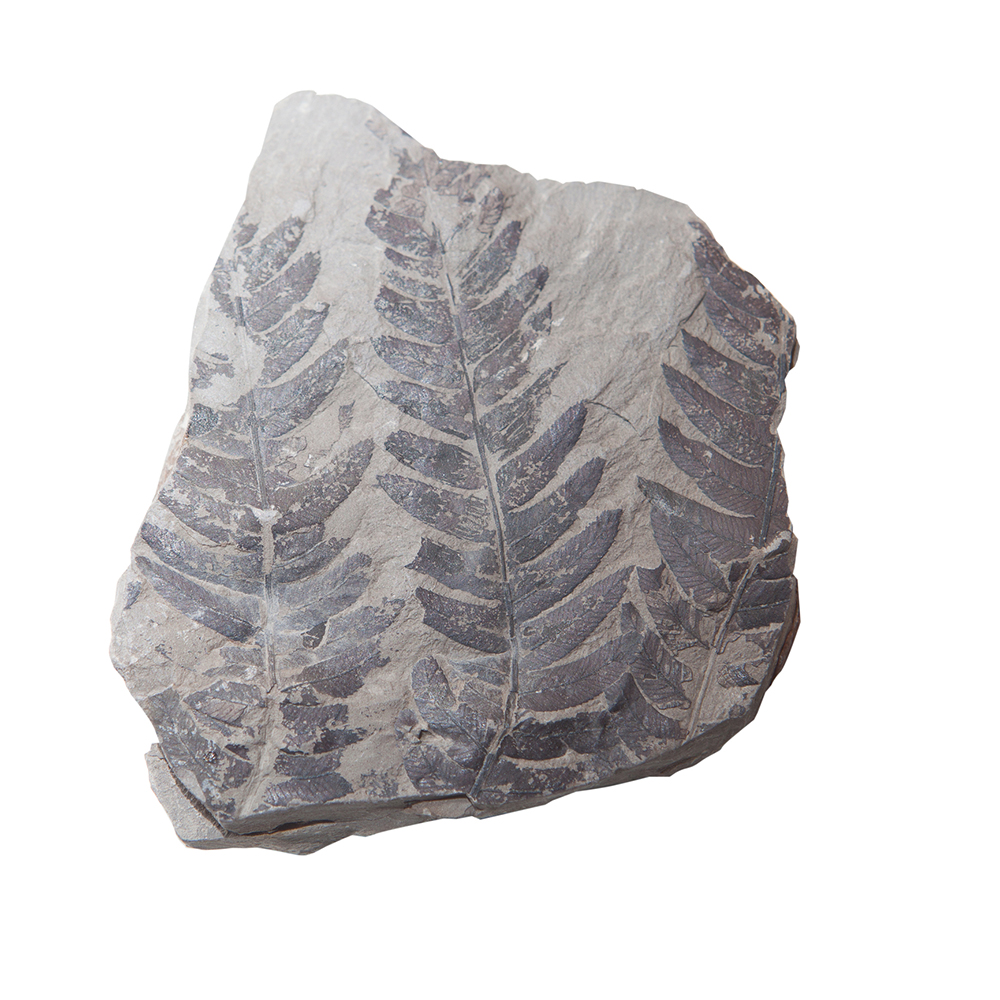
 Some fossils are beautiful impressions of leaves. Try a new way to make an easy impression of a leaf!
You will need:
- A fresh green leaf
- A scrap of light fabric or a handkerchief
- A rock
Note: For this project, use a surface like a driveway or concrete that will not be easily damaged.
- Place your leaf on top of your fabric or handkerchief, and use your rock to bang on it.
- Move all over the leaf, banging as you go.
- When you lift up your leaf, you should see an impression of the leaf on your fabric.
What other types of plants could you use to make different colors or patterns on your fabric? Share your creation with us using #AtTheMuseums!
Something to Talk About
Do modern leaves look different than leaves on plants alive during the time of dinosaurs? How can fossils help us find out?