Look Again: Ida B. Wells and Jovita Idar
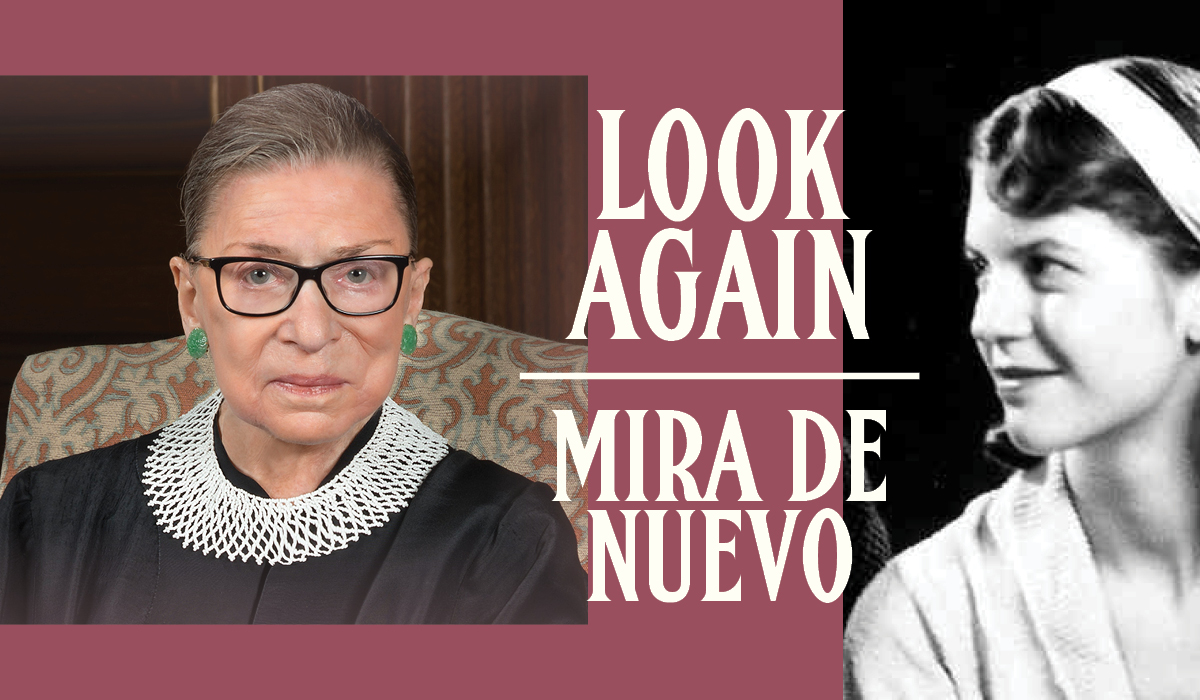
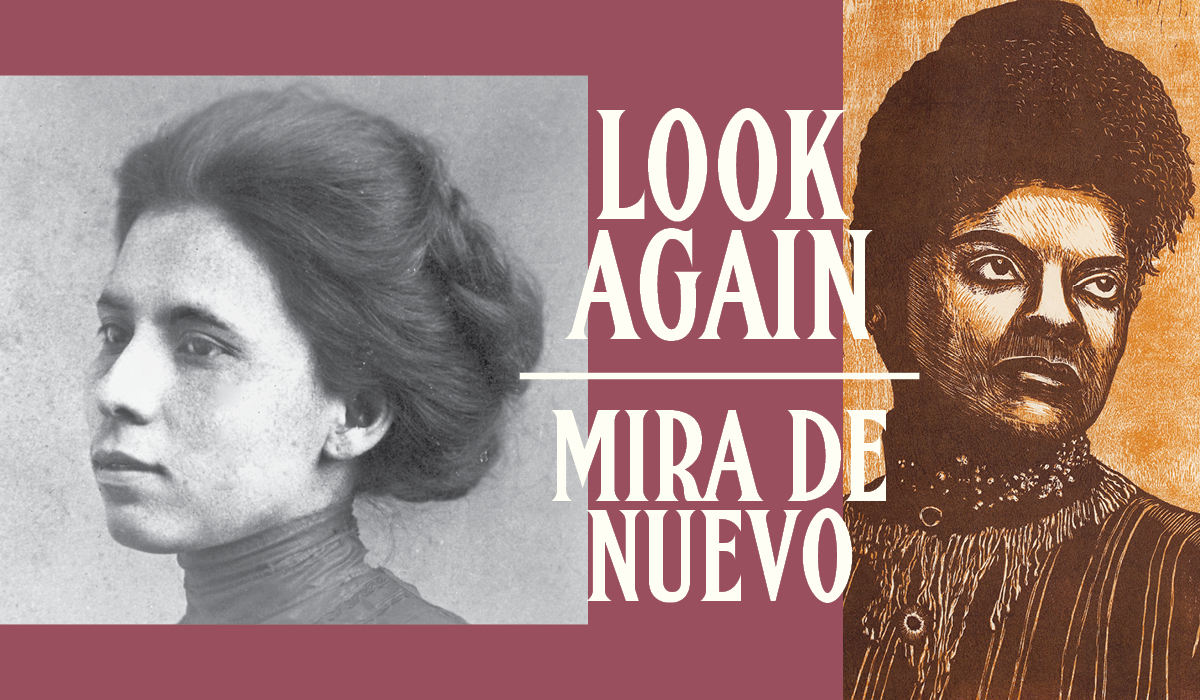
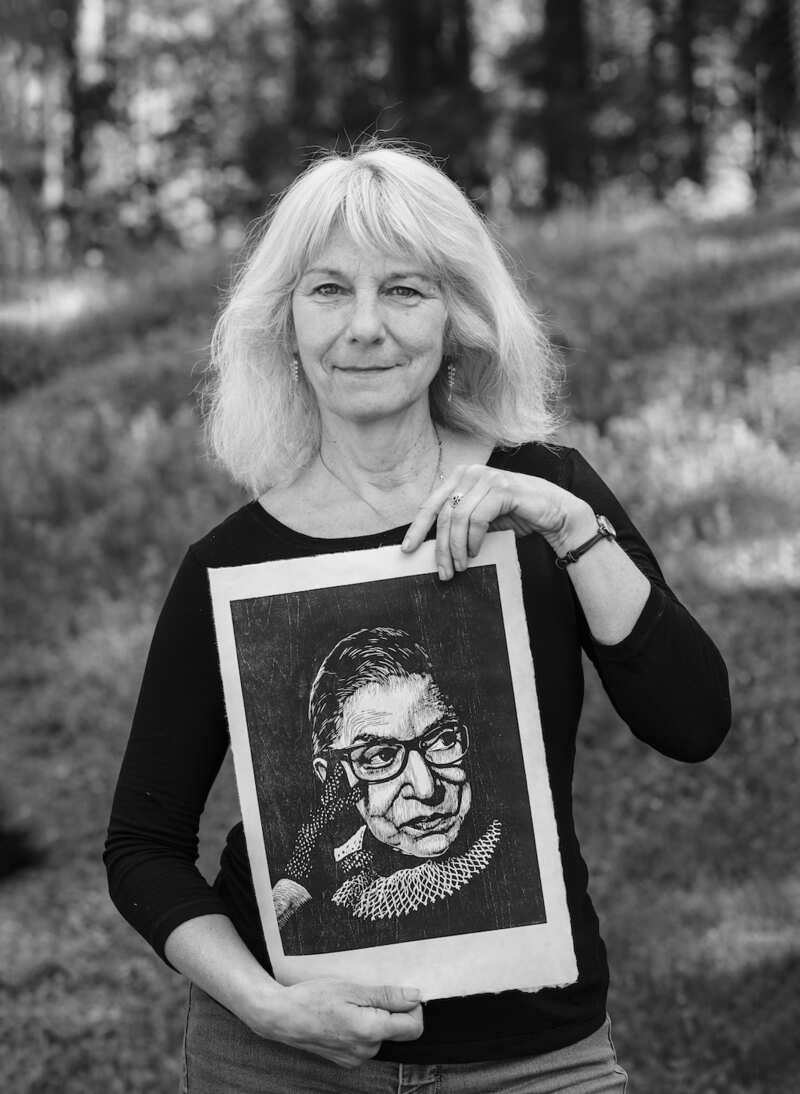
Look Again: Portraits of Daring Women by Julie Lapping Rivera is an homage to exceptional, pioneering women working across centuries. In a series of hand-carved, woodcut and collage prints, Leverett-based artist Julie Rivera (American, b. 1956) highlights the lives and achievements of women who defied the status quo. Each print is accompanied by a poem, written specifically for the series, by local and international women poets.
Look Again is sponsored by the Community Foundation of Western Massachusetts

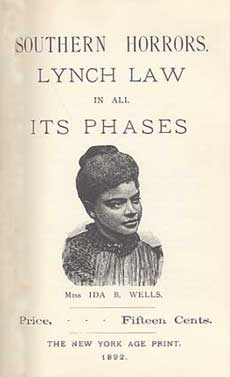
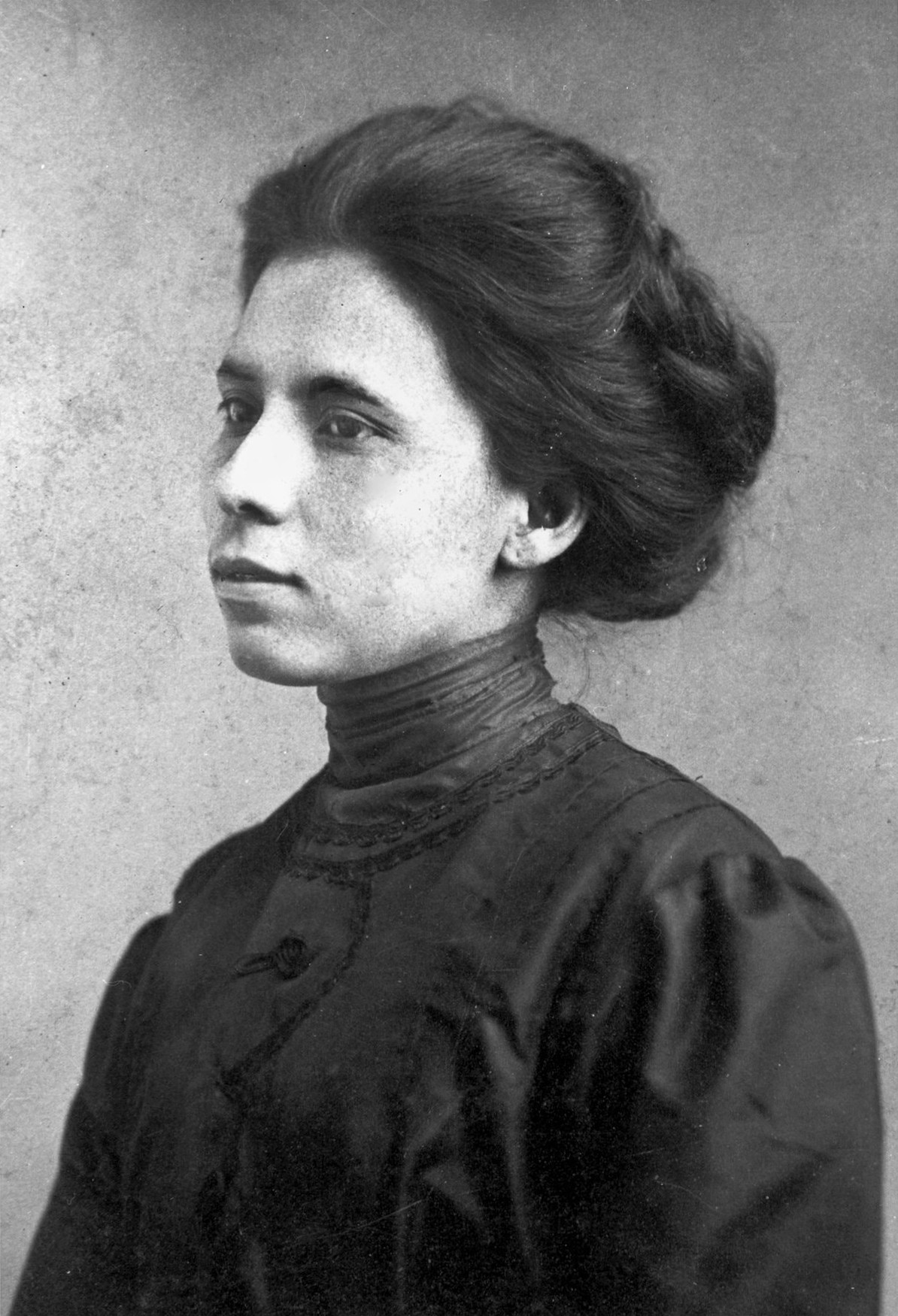
During her lifetime, Ida B. Wells (1862 – 1931) might have been the most famous Black woman in America. Resulting from her advocacy against Jim Crow laws and segregation, she became a target of racist abuse from all corners of society. Born into slavery, Wells pioneered activist strategies and investigative techniques that remain tenets of modern journalism. She recorded interviews with eyewitnesses of lynchings across the American South, publishing prolifically on the topic. Instrumental to the founding of the National Association for the Advancement of Colored People (NAACP) and the National Association of Colored Women Clubs (NACWC), Wells exposed the truth about systemic racism despite institutional and public backlash.
Ida
by Rage Hezekiah
Too many nooses snug
against black necks⎯
men limp & motionless, dark
pillars against horizon. You
took up the pen, staunch,
relentless, sounded the alarm
of injustice. Small in stature,
your voice boomed⎯
phrases from the pages
you wrote ignited fear,
white men threatened
by a black woman’s rage.
How quick the wildfire.
Unflinching, you tucked
pistol in skirt pocket,
gritted teeth, somehow
fearless after mobs
strung up your brothers,
burned your press⎯
gold flames, melted metal.
You fought as only a woman
can fight, thread of tenderness
pulled taut through every violence.
You conjured wings, saying
I would gather my race in my arms
& fly away with them.
In 1914, Texas Rangers surrounded the offices of a Spanish-language newspaper, El Progreso, with the intent of shutting it down. Jovita Idár (1885 – 1946), standing by the front door, barred them from entering. An editor and writer, Idár was known for her outspoken criticism of Jim Crow laws and discrimination against Mexican Americans. She and her family organized the First Mexican Congress, advocating for financial investment in education, and then founded La Liga Feminil Mexicanista, or the League of Mexican Women. The feminist organization, for which Idár served as president, advocated for Hispanic culture to be taught in public schools. On this fateful day, the Rangers, unable to force Idár to stand down, returned later to destroy the printing presses. Nevertheless, Idár remained a voice for Mexican American rights throughout her lifetime.
Inviting the Broad Horizons
by Jacqueline Balderama
—for Jovita Idár, 1885-1946
The border descended like a scythe
just forty years before your birth;
mountains, homes, and trees still hold
their Spanish names—montañas, casas, árboles.
But in dirt-floor schools, you witness
textbooks teaching children to feel like strangers
in their homeland. You feel it too
with the knowledge of intimidations,
lack of resources, lynching.
They mean to bury your voices in sand.
So you as Astraea, goddess of justice,
puncture the blindfolds with starlight
then illumine the broad horizons.
You as Ave Negra dip your wings
into wells of ink mixed with weeping and ash
then write your message in the sky
for los habitantes Mexicanos de Texas,
for la mujer moderna, for la raza.
You, Jovita Idár, write in La Crónica,
and later in El Progresso,
and then in your own press: Evolución.
From cacophony, you assemble
one sound at a time until
your steadfast voice is a ringing bell
whose strength emboldens strength, until
your endeavors live in the air, your words
traveling generations ahead to say,
When you educate a woman, you educate a family.
You welcome las mujeres and las niñas
into la Liga Femenil Mexicanista.
And when la Revolución draws near,
you pass through the border
to heal the wounded fighting for their democracy.
Your heart erupts for them. You promise
to always stand in the doorway.
We feel your presence even now, your voice.
When officers came with sledgehammers
to destroy the press, you refused to move.
You said, No. I’m standing here.
About the Artist
Julie Rivera is inspired by the meditative practice of woodcut printmaking. She began her career in New York, working as a teaching artist with the Studio in a School Association, the Museum of Modern Art, and the Lincoln Center Institute. Rivera earned her MFA in Painting from Pratt Institute and her BFA in Printmaking from the University of Massachusetts, Amherst. She is a New York Foundation for the Arts Fellowship recipient in Drawing and received grants from the New York Foundation of the Arts, the National Endowment of the Arts, and the Massachusetts Cultural Council. Rivera is a Leverett-based artist. She teaches printmaking at Smith College and at Zea Mays Printmaking in Florence, MA.
About the Poet
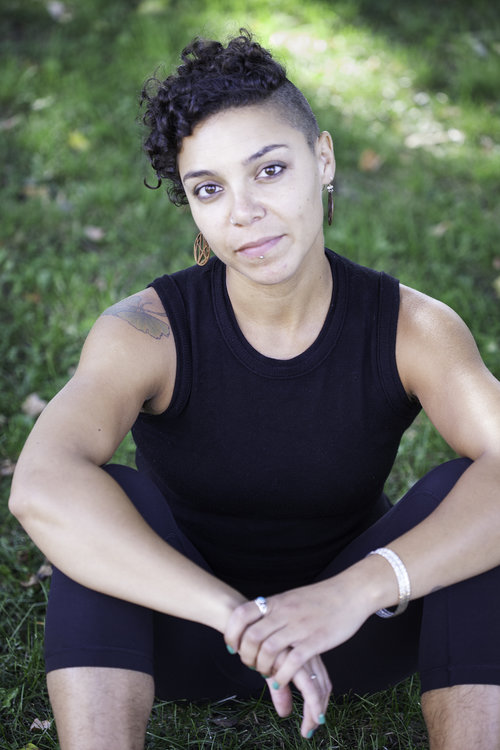
Rage Hezekiah is a Cave Canem, Ragdale, and MacDowell Fellow who earned her MFA from Emerson College. Her recent collection, Yearn, was a Diode Editions Book Contest winner, and a finalist for the Audre Lorde Award for Lesbian Poetry, the Lambda Literary Award, and the Vermont Book Award.
About the Poet
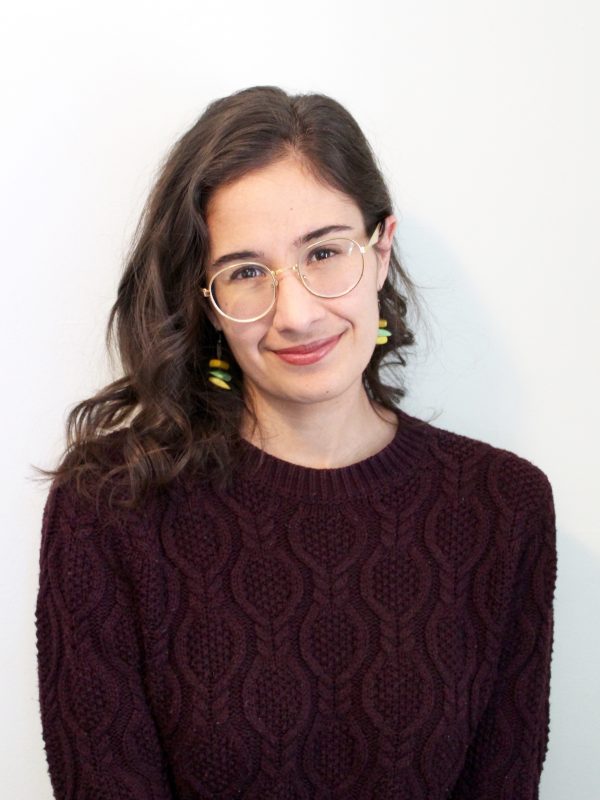
Jacqueline Balderama is the author of Now In Color (Perugia Press, 2020) and Nectar and Small (Finishing Line Press, 2019). She received her PhD in English with a specialization in Creative Writing from the University of Utah.

Related Posts