Our popular live animal center has evolved!
Through living exhibits, explore habitats from around the world and right in our own neighborhood. Get up close with beloved inhabitants like the wood turtle and poison dart frogs and meet new aquatic animals from Africa and South America, with new large interactives and a wall of fish fossils for a deeper experience.
This permanent exhibit has been made possible through a federal earmark from The Offices of Senators Elizabeth Warren and Ed Markey and The National Institute of Standards and Technology.

Biome: Deciduous Forest
Region: Northeastern United States
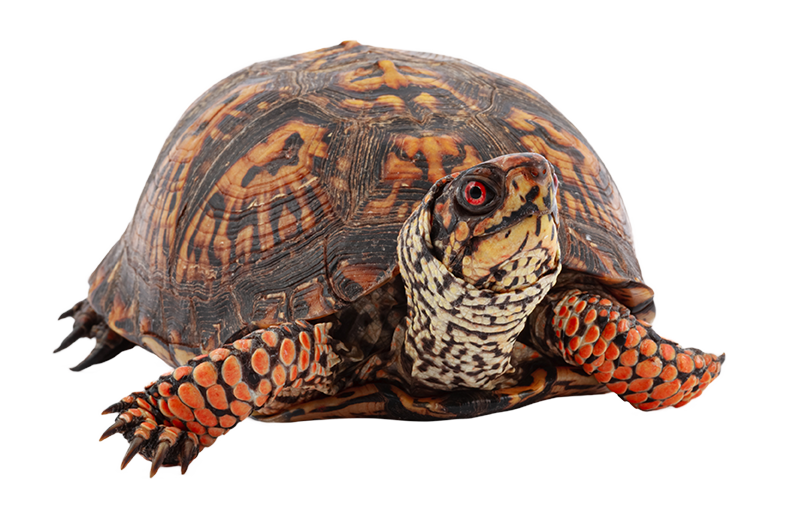
Eastern Box Turtles (Terrapene carolina carolina) are native to the Eastern North America with a range from Maine to Georgia. Eastern box turtle habitat includes open woodlands, meadows, wetlands, and nearby stream and river banks. Eastern box turtles eat both plants and animals. Their diets include insects, worms, fruits, vegetables, mushrooms, and seeds.
Biome: Freshwater River within Deciduous Forest
Region: Northeastern United States
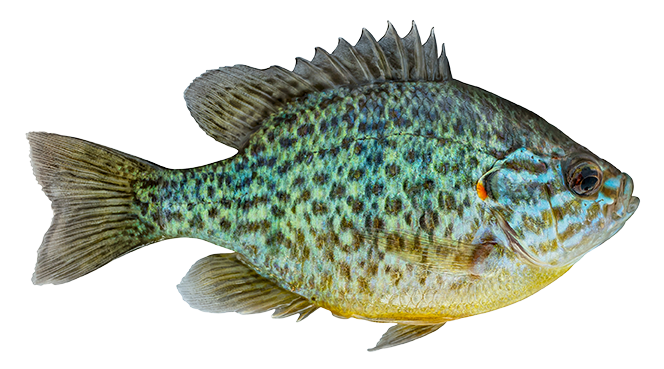
Pumpkinseed Sunfish (Lepomis gibbosus) are native to Eastern North America living in ponds, lakes, streams, and slow-moving parts of rivers. Pumpkinseeds feed on insects, snails, and crustaceans, amphibians, and small fishes.
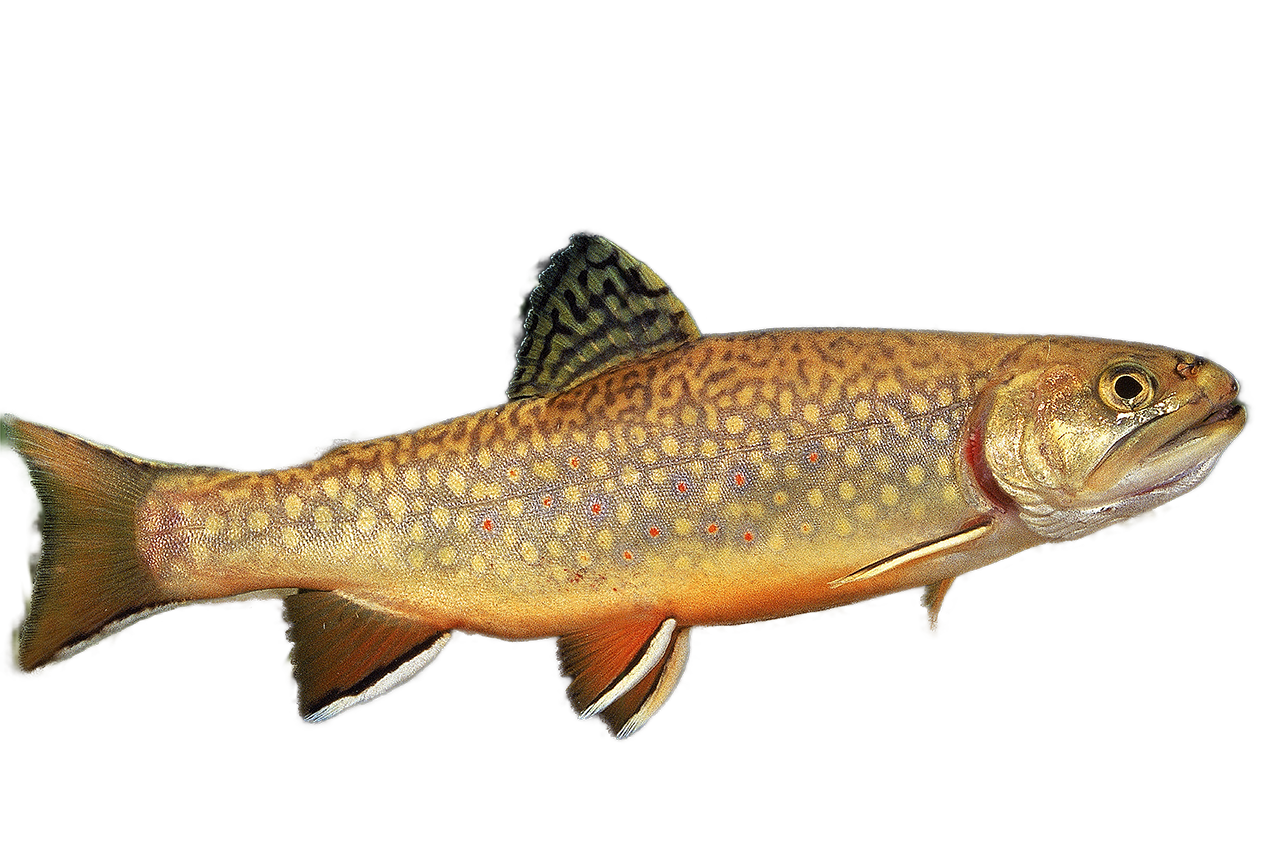
Brook Trout (Salvelinus fontinalis) also called brook charr, are native to Eastern North America living in stream, lake, and coastal sea run habitats. Brook trout feed on insects, crustaceans, amphibians, fishes, and small mammals.
White River Crayfish (Procambarus acutus) are native to eastern North America along the coast from Maine to George and from the southern Great Lakes to the Gulf of Mexico. White River Crayfish habitats include streams, rivers, ponds, and swamps. White River Crayfish have been introduced into the Connecticut River watershed and can be found living in Beeman’s Brook in Connecticut.
Biome: Freshwater Lake within Deciduous Forest
Region: Northeastern United States
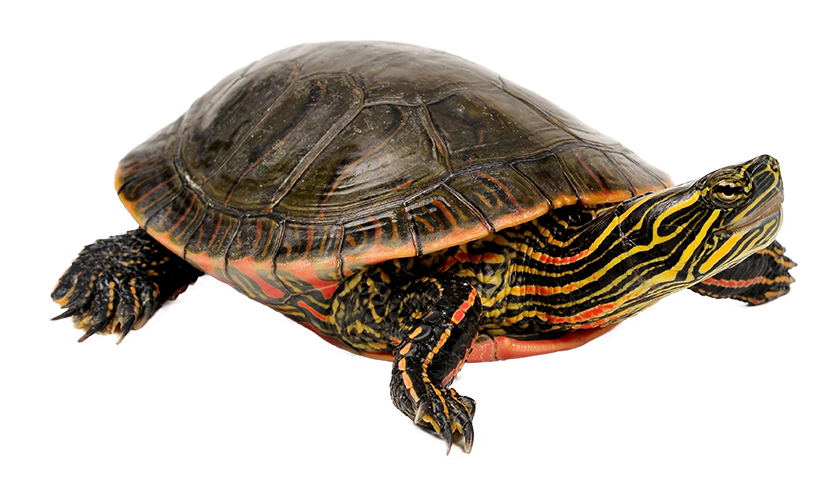
Painted Turtles (Chrysemys picta) are common in Massachusetts and throughout the Northeast living in lakes, ponds, streams, rivers, and marshes. Painted turtle feed on insects, snails, worms, tadpoles, small fish, and aquatic plants.
Biome: Freshwater Lake within Tropical & Subtropical Grasslands, Savannas & Shrublands
Region: Eastern Africa Great Rift Valley
Lake Tanganyika is the oldest of the Great Lakes of Eastern Africa at about 12 million years old. It is also the longest and second deepest lake in the world. Lake Tanganyika is home to over 240 distinct species of cichlid fishes all of which evolved from a single common ancestor, a process known as adaptive radiation.
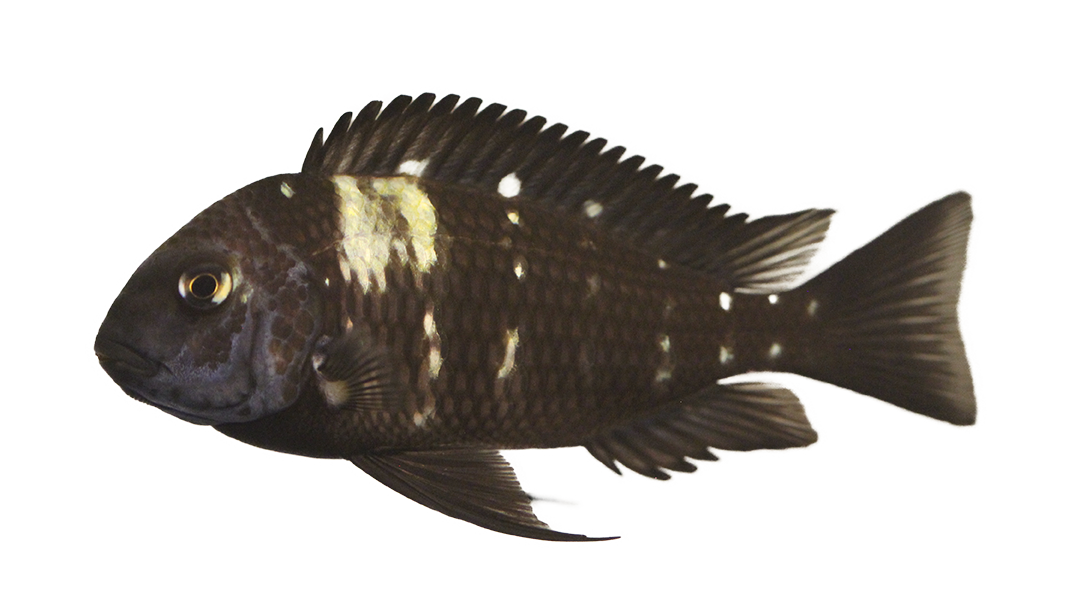
White Spotted Cichlid (Tropheus duboisi) is native to northern Lake Tanganyika. White spotted cichlids live in rocky habitats along the coast and feed on the algae and tiny animals growing on the surface of rocks.
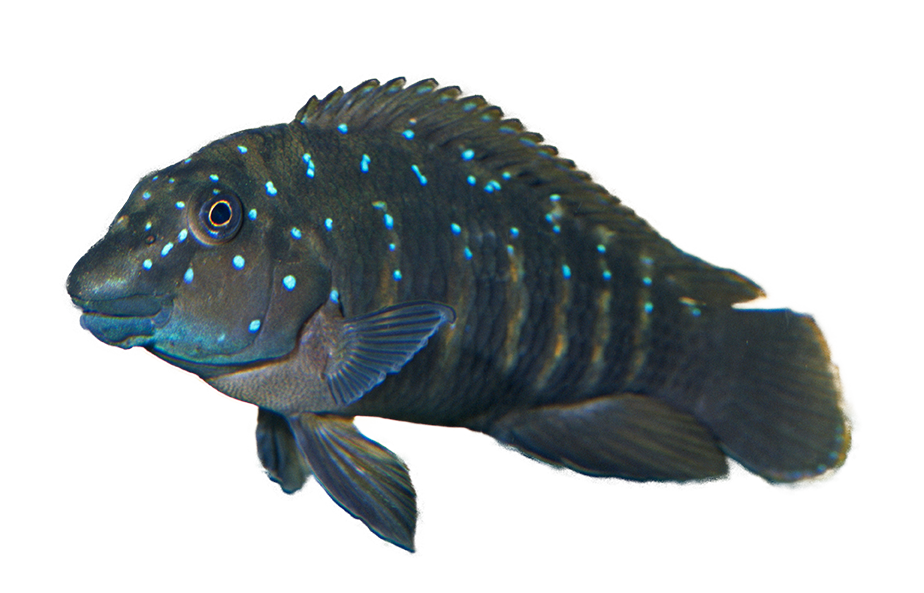
Goby Cichlid (Eretmodus cyanostictus) lives in southern Lake Tanganyika and Eretmodus sp. a variety known as “cyanostictus north” lives in the northern part of the lake. Both species live withing rocky habitats along the shore. The goby cichlid feeds exclusively on filamentous algae growing on rocks.
Biome: Freshwater River within Tropical Rainforest
Region: Northern South America
The Amazon Rainforest is the largest tropical rainforest on Earth and includes the Amazon River watershed which is the largest drainage basin in the world. About 1/5 of the world’s freshwater moves through this basin.
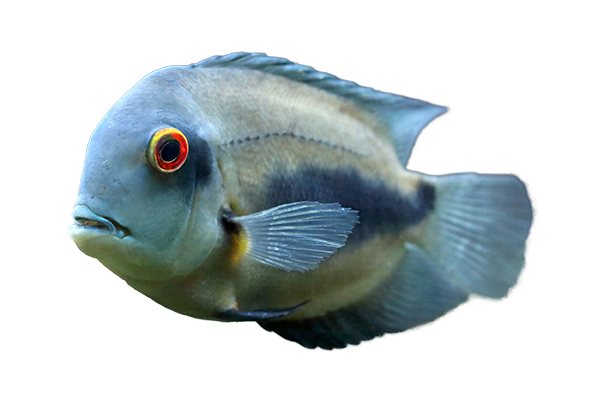
Triangle Cichlid (Uaru amphiacanthoides) lives in groups within the Amazon River and its tributaries. The Triangle Cichlid feeds primarily on vegetable material which includes fruit although invertebrates are also eaten.
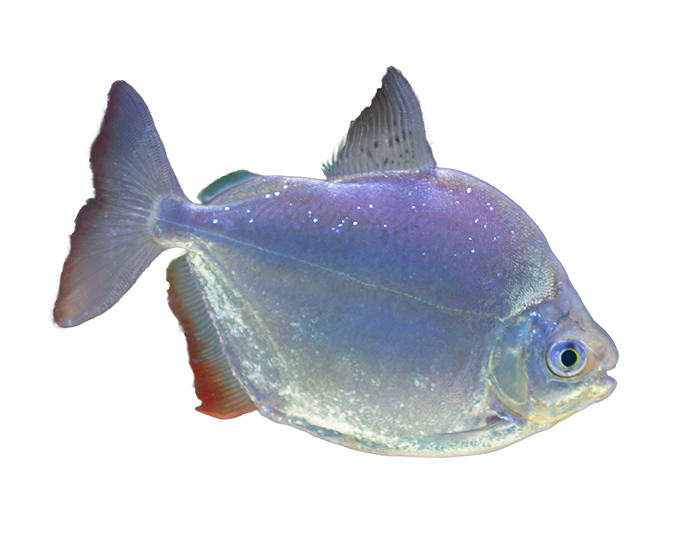
Silver Dollar (Metynnis hypsauchen) are schooling fish that live in the Amazon River feeding on a variety of vegetable matter.
Severums (Heros efasciatus) is a native fish of the Amazon River and some tributaries. It can often be found living in thick vegetation along river banks around fallen trees. Severums eat both plant and animals in the wild.
Biome: Marine Estuary (transitional zone) within Western Pacific Ocean
Region: Western Pacific Ocean, Banggai Archipelago, Indonesia
Mangrove trees have adapted to the harsh environment at the edge of tropical and subtropical seas. Mangrove trees have roots which grow above ground and extend down into submerged, low oxygen soils. These extensive root systems anchor the plants as they stabilize the coastal environment
Kaudern’s Cardinalfish (Pterapogon kauderni) also called the Banggai Cardinalfish is native to the Banggai Islands in Indonesia living in small schools in shallow habitats of the coral reef, sea grass beds, and mangrove lagoons.
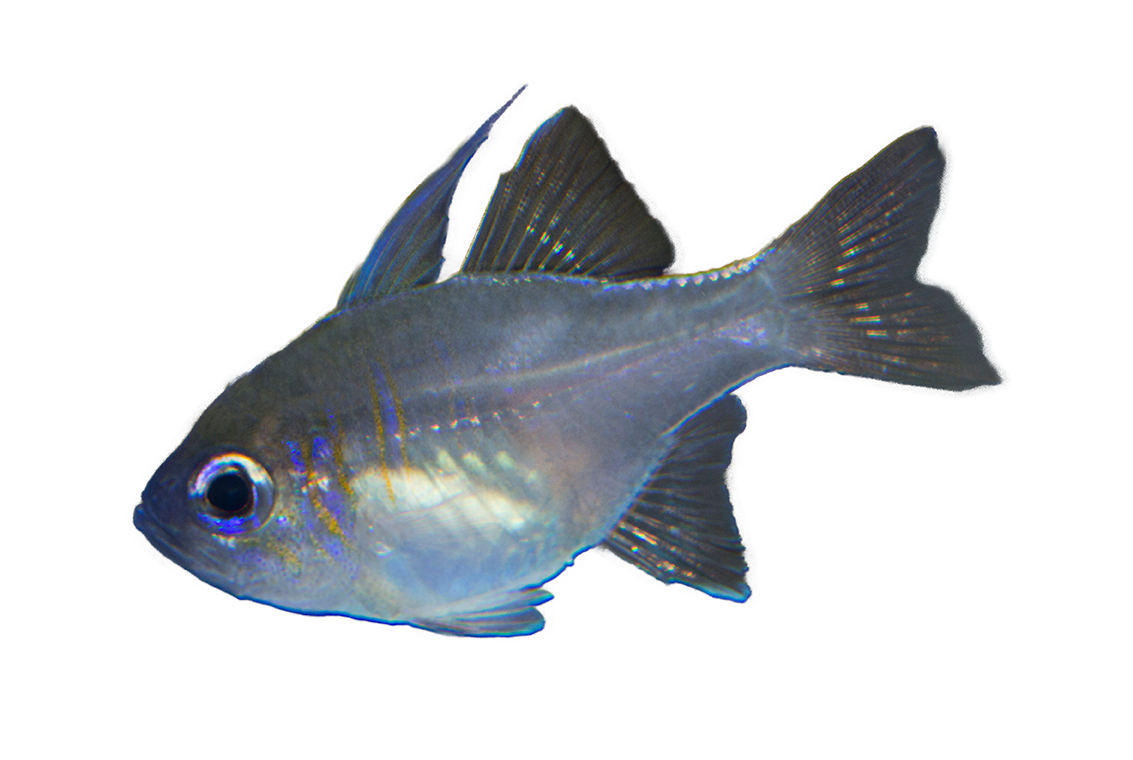
Blue Streak Cardinalfish (Zoramia leptacantha) live on the coral reefs of the Indo-Pacific Ocean and in the Red Sea. The Blue Streak Cardinalfish forms large schools above stone corals can can be found living close to shore in mangrove lagoons.
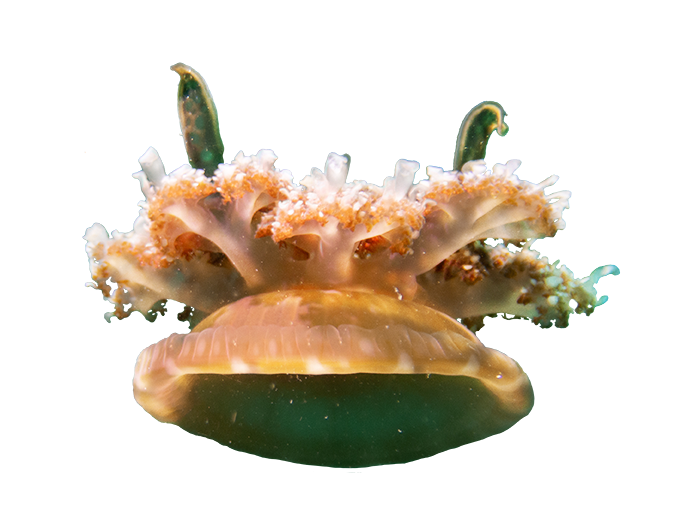
Upside Down Jellyfish (Cassiopea sp.) are tropical and subtropical jellyfish which live in a variety of shallow coastal habitats such as Mangrove lagoons.
Biome: Pacific Ocean
Coral reefs are the largest structures built by living organisms providing habitat for a complex community of life. Coral reefs occur within the tropics and are home to 25% of all life within the world’s oceans.
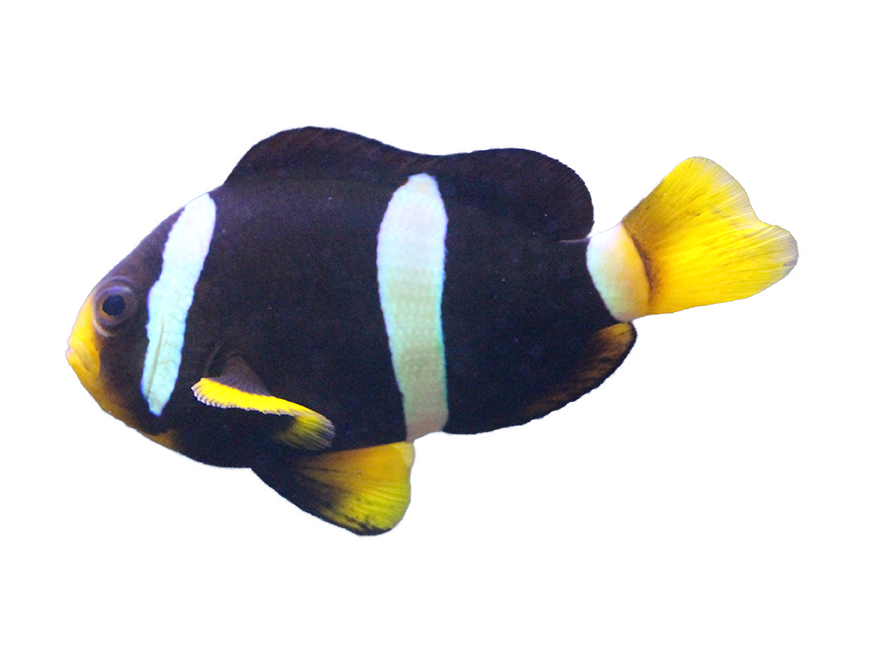
Clark’s Clownfish (Amphiprion clarkii) Clownfish have a partnership with sea anemones which benefits both the fish and the sea anemone host. Clownfish gain protection from predators living within the stinging tentacles of sea anemones, while the anemone gains food, cleaning, and protection from predators. Clownfish eat small plants and animals which include crustaceans, worms, and algae.
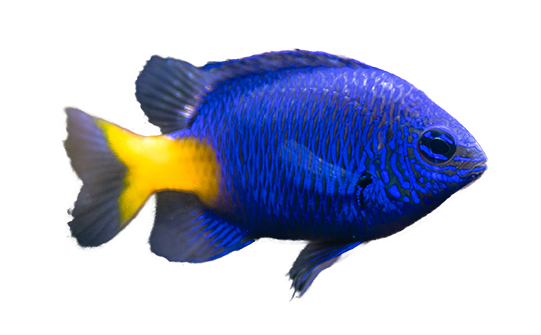
Yellowtail Blue Damselfish (Chrysiptera parasema) Are native to coral reefs of the western Pacific Ocean. These fish live in groups on the reef often swimming above large coral heads where they defend territories. The diet of these fish includes small crustaceans, worms, and algae.
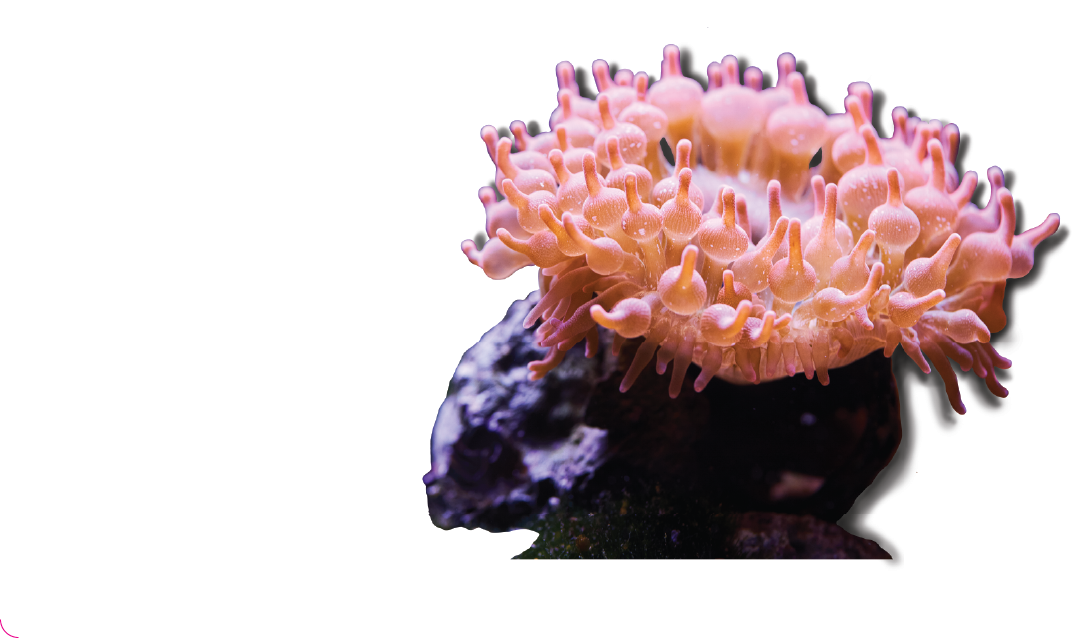
Bubble Tip Anemone (Entacmaea quadricolor) The bubble-tip anemone can have orange, green or pink tentacles which often have bulbs at their ends. Anemones have photosynthetic algae living withing their tissue. Sea anemones receive sugar from their algae partners while the algae receive much needed nutrients.
Biome: Marine Coral Reef
Region: Pacific Ocean, Northern Australia
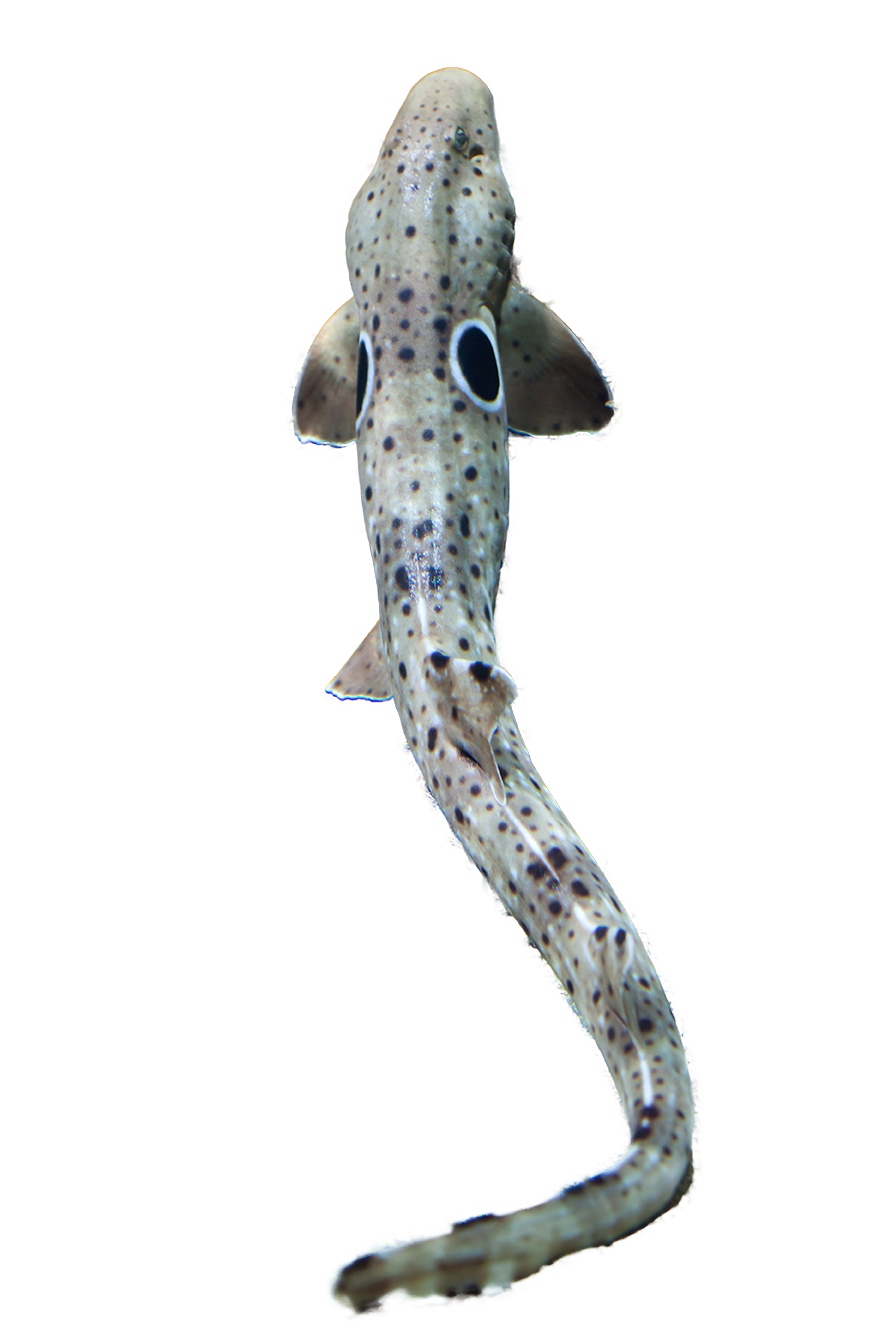
Epaulette Sharks (Hemiscyllium ocellatum) live close to shore on the coral reefs of northern Australia and southern New Zealand. These sharks eat worms, crabs, shrimp, and small fish. They can survive being exposed to air for up to one hour at low tide as they explore tidepools in search of food.
Biome: Freshwater Streams and Rivers within Deciduous Forest
Region: Northeastern United States
Riparian zones are the areas of land that border a lake or a river. Riparian Zones foster a diversity of life due to the merging of terrestrial and aquatic habitats. Terrestrial animals depend on these areas for food, shelter, and nesting sites. Maintaining a green belt of vegetation along our waterways serves to prevent erosion, silting of streams, and keeps the water cool for the aquatic species.
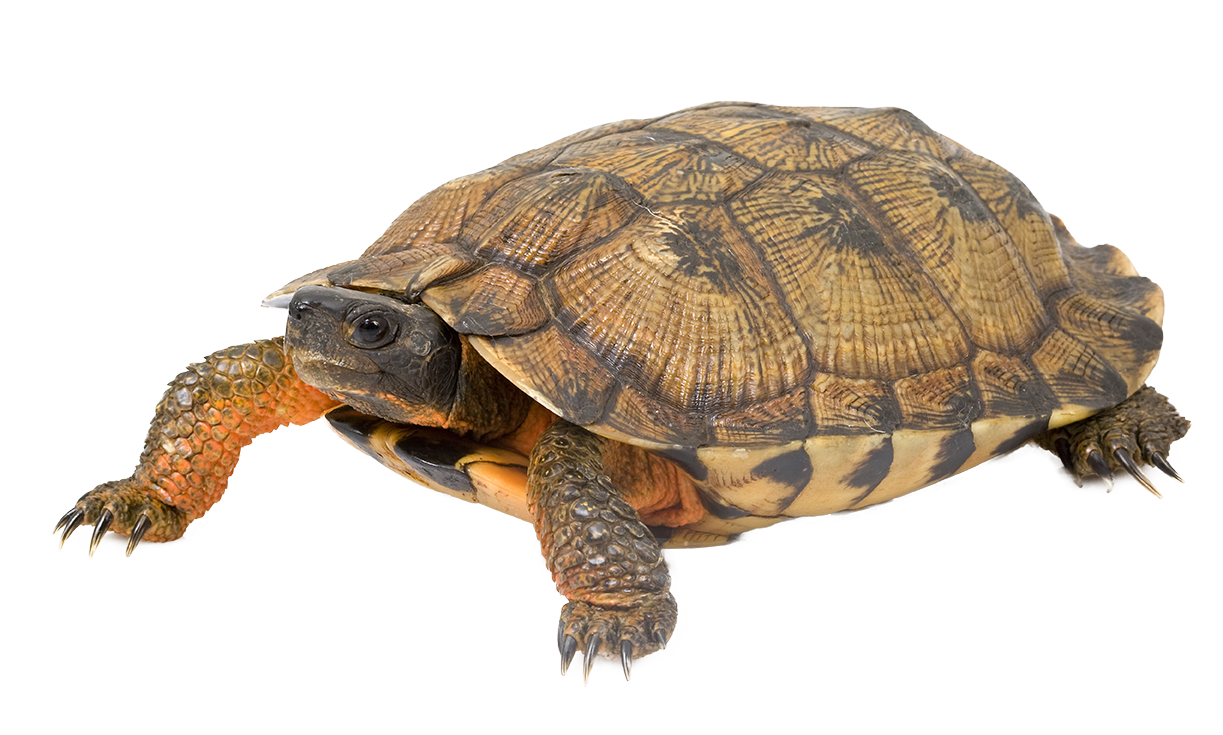
Wood Turtle (Clemmys insculpta) Wood Turtles live in and around streams and rivers of the riparian zone found within upland habitats. They depend on cold, clean water within the slow flowing areas of streams and small rivers. Wood turtles eat both plants and animals on land and in the water. Their diets include insects, worms, tadpoles, leafy green plants, and berries.
Habitat: Central and South American rain forest floor in the leaf litter and surrounding habitats near to streams and small bodies of water
Dart frogs produce toxic skin excretions which make them one of the most toxic animals on the planet. The toxin is produced in skin glands from chemicals acquired from the frog’s diet of small insects. Captive frogs which eat fruit flies do not produce the toxin.
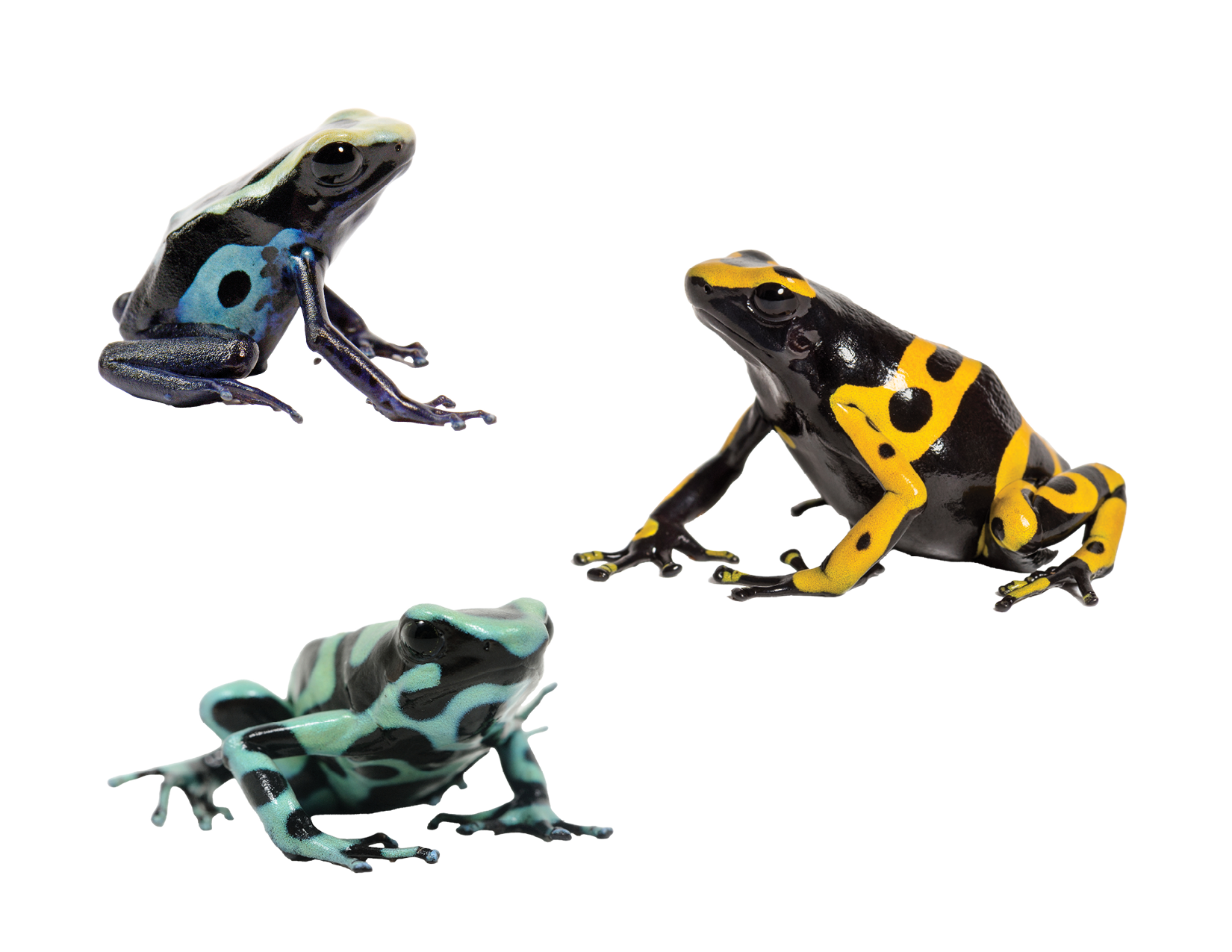
Habitat: Central and South American rain forest floor in the leaf litter and surrounding habitats near to streams and small bodies of water
Dart frogs produce toxic skin excretions which make them one of the most toxic animals on the planet. The toxin is produced in skin glands from chemicals acquired from the frog’s diet of small insects. Captive frogs which eat fruit flies do not produce the toxin.
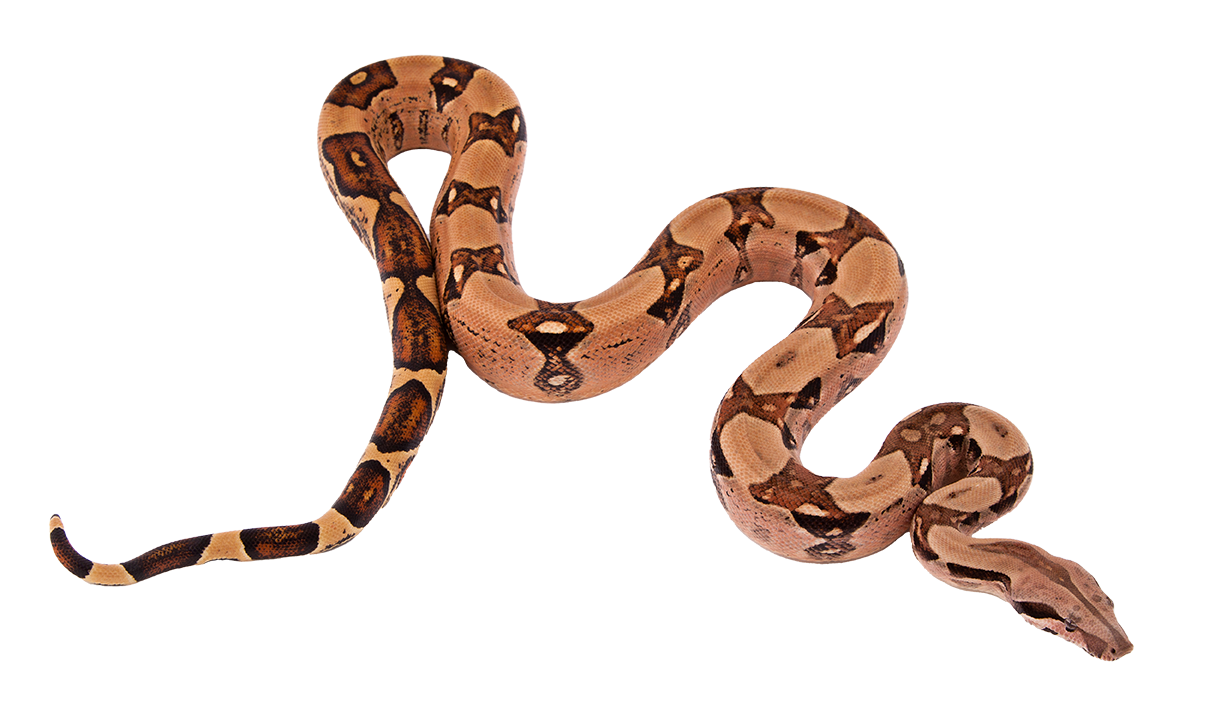
Habitat: Forests, savannas, and deserts in Central and South America
Boa constrictors give birth to live young. The newborn snakes are about 2 feet long and resemble miniature adults.
Habitat: Trees and bushes in the South American Rain Forests
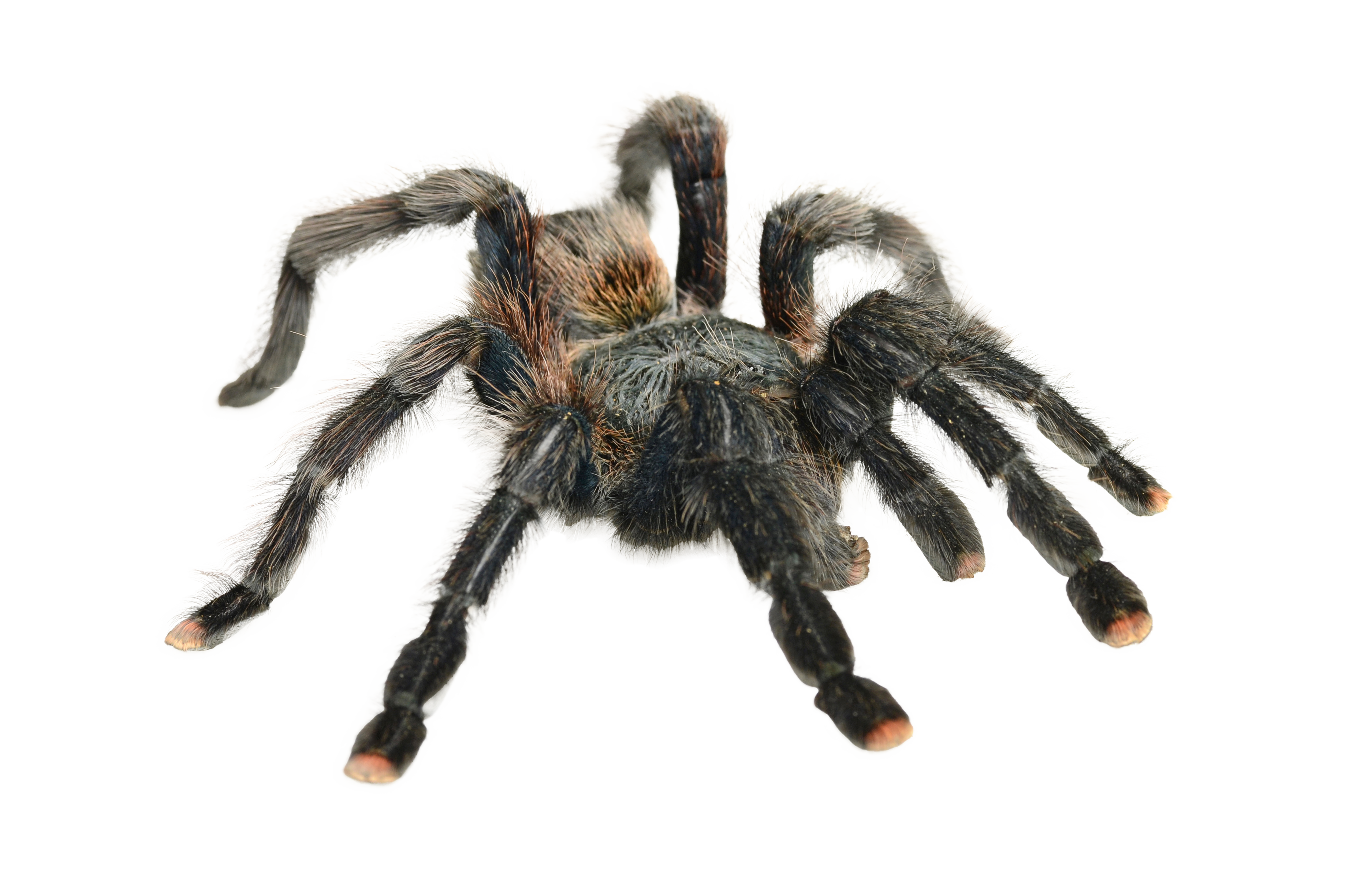
Pink-toed trantulas can release irritating hairs through direct contact with their abdomens in self-defense.