Behind the Scenes: Taxidermy
Did you ever wonder about what goes on “behind the scenes” at the Springfield Museums? Every now and then we like to lift the curtain to let our visitors know about the unique projects our staff is engaged in to show how we preserve the Museums’ collection to ensure that we are creating a memorable experience for everyone.
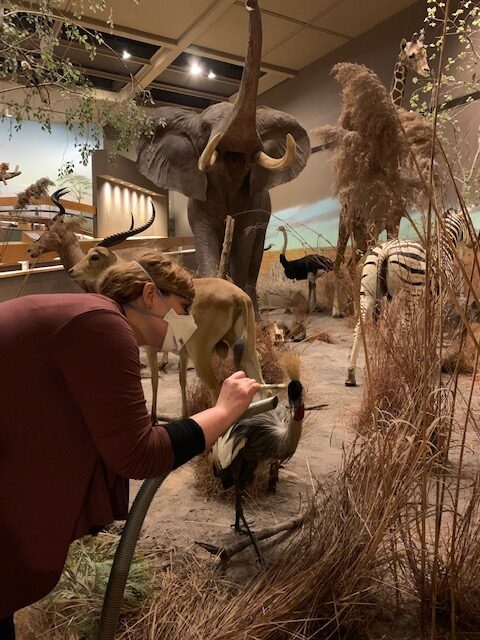
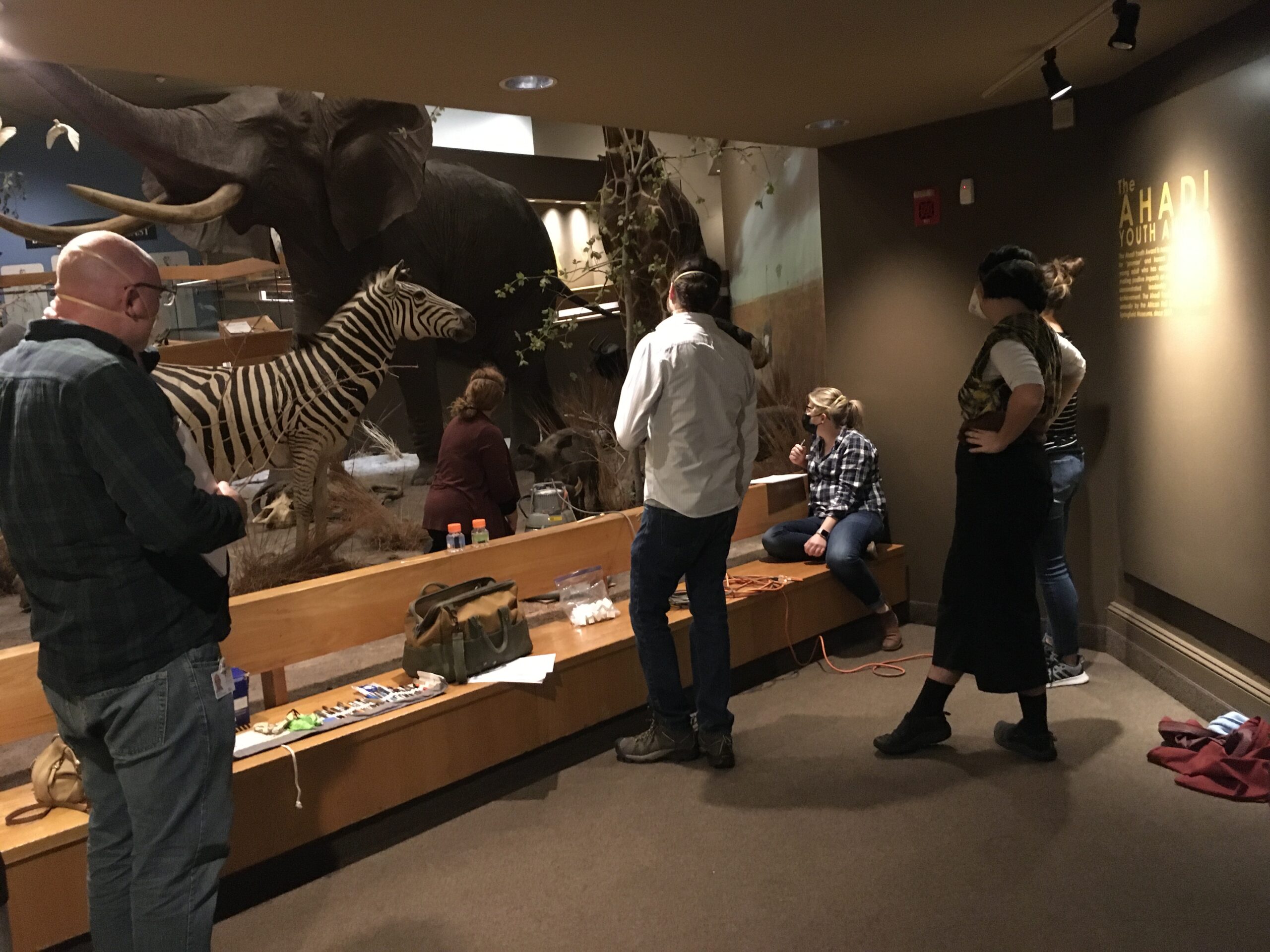
Recently, staff at the Springfield Museums had a visit from Christine Puza, Department Head of Furniture, Frames and Analytical Services at the Williamstown Art Conservation Center in Williamstown, MA. Ms. Puza led a training session with our exhibitions team on how to properly care for and clean the Museums’ taxidermy collection. The staff was shown simple ways of removing dirt and debris from the animals, as well as the proper ways to preen and straighten feathers on the birds in the collection.

What is taxidermy? Taxidermy is a way to preserve an animal for display or study. There are numerous ways to do taxidermy, but generally the process includes arranging the animal’s skin onto a fake body to make it look alive again. Most fake bodies today are made of hard foam, but in the past there are examples of the body being made out of clay, wood, metal, and even instances of the original bones. The end product of this process, or how it is displayed, is called the mount.
Taxidermied animals do require a regular cleaning and maintenance schedule. Regular documentation of the condition of each mount allows museum staff to see if any deterioration has occurred from things like: insects; chemicals that were originally used to create the mount; the environment (light, temperature, and relative humidity) where the mount is on display; how the specimen is supported; and dust and pollutants.
The Springfield Museums holds a unique collection of taxidermy of animals from all over the world. Some of the mounts that are on display in the Science Museum are over 100 years old! With continued care and maintenance, the staff at the Museums is ensuring that these mounts will be around for many more years to come.
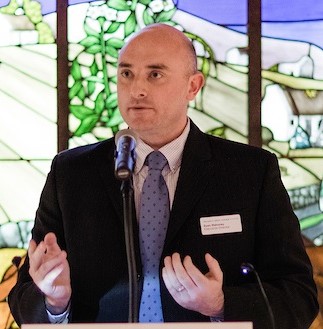
Ryan Mahoney is the Project Manager at the Springfield Science Museum.

Related Posts