The Witches of Springfield
When Mary Lewis wed Hugh Parsons at the Springfield meetinghouse in 1645, there were only about 100 British colonists living in the settlement. The Parsons had three children and together, tried to build a life. Hugh was the only brickmaker in town, a sought-after skill when most structures were wood. He tended their farm as Mary cared for their children, boarders, and home. But six years after their wedding, Mary and Hugh stood in the same meetinghouse facing their neighbors’ accusations of witchcraft in the first witch panic of Colonial New England.
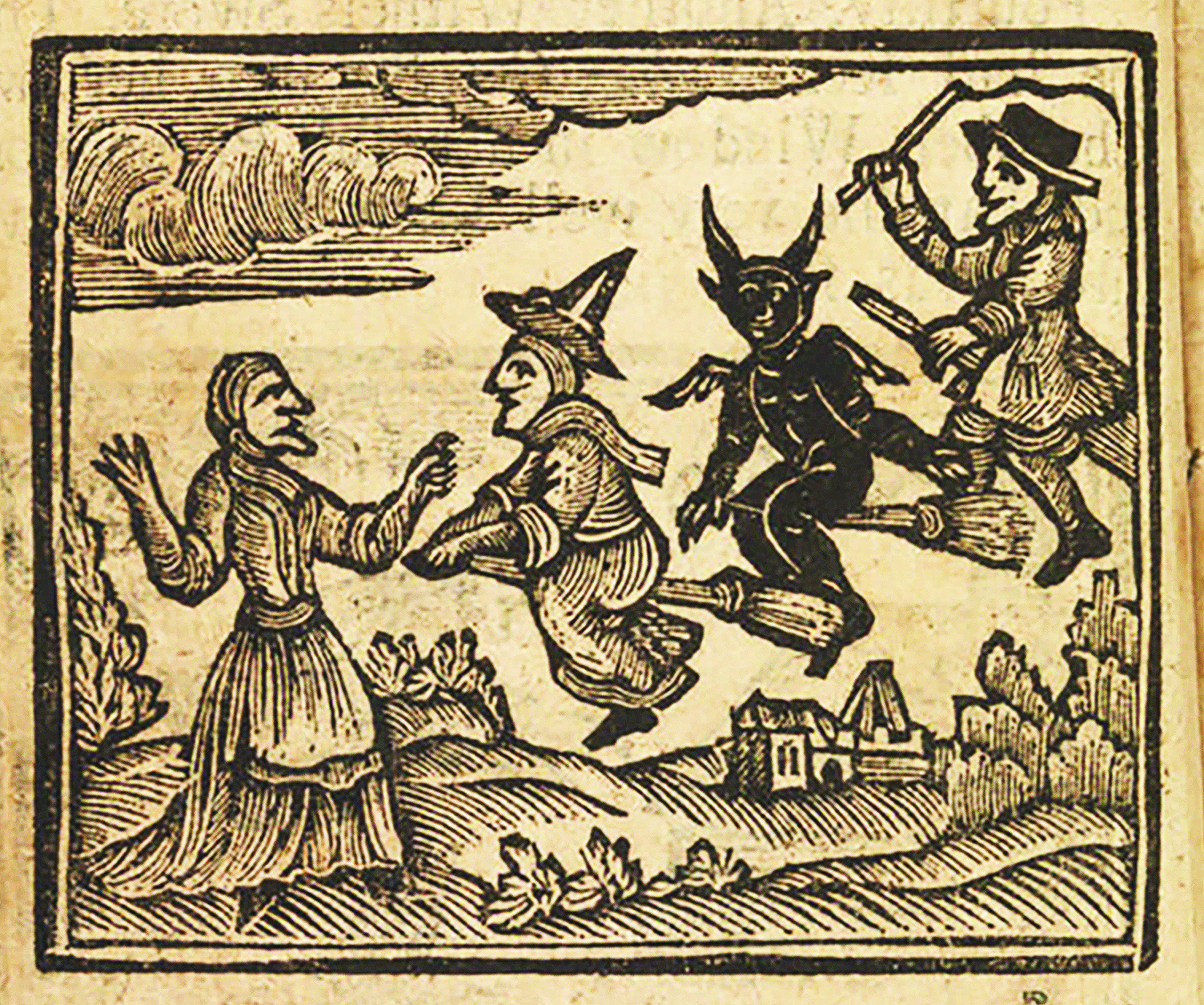
Witchcraft was real to the people of Springfield, and they sought to find the source of recent mysterious events. There were tales of spoiled milk from normally healthy cows and missing tools. Some saw demonic creatures in the dark. People fell ill, leaving children sick with an ailment they sometimes did not recover from. Springfield wanted to know why terrible things were happening and who was responsible for them. Their eyes turned to the Parsons.
Originally from Wales, Mary Lewis journeyed to Massachusetts in 1640, finding work in the household of Springfield’s founder William Pynchon. Hugh was likely an Englishman and arrived in mid-1645. Before long, both Parsons developed a reputation in the small town. Mary was a devoutly religious woman, but her constant search for evidence of witchcraft left her neighbors suspicious. Hugh Parsons became known for his “sleeveless errands,” or unannounced visits. Hugh also had a temper he often aimed at Mary but sometimes directed towards his neighbors.
The accusations of witchcraft against the Parsons rocked the small community. William Pynchon would have normally been a leader through the hardships, but he was facing his own accusations. His religious pamphlet The Meritorious Price of Our Redemption became one of the first banned books in English North America after the Boston Court found it “false, erroneous and heretical.” The outcome of the Parsons witch trials and Pynchon’s own trials for heresy fundamentally changed the trajectory of Springfield. The first witch panic in New England spread fear throughout the region, fueling terror that eventually exploded into the Salem Witch Trials. Witchcraft has a rich and layered history and there are many more secrets to explore about the Parsons 1651 trial. Discover how the panics of Springfield and Salem are connected through a rare edition of the early banned book and learn what happened to Mary and Hugh by visiting Witch Panic! Massachusetts Before Salem, an exhibit on display at the Lyman and Merrie Wood Museum of Springfield History through November 2, 2025.
 Elizabeth Kapp is the Curator of History at the Springfield Museums. She received her undergraduate degree from the University of Massachusetts Amherst and a master’s from the Cooperstown Graduate Program, Kapp has previously worked at the Arizona Historical Society, the Eiteljorg Museum of American Indians & Western Art, the National Baseball Hall of Fame & Museum, Colonial Williamsburg, and Old Sturbridge Village.

Related Posts