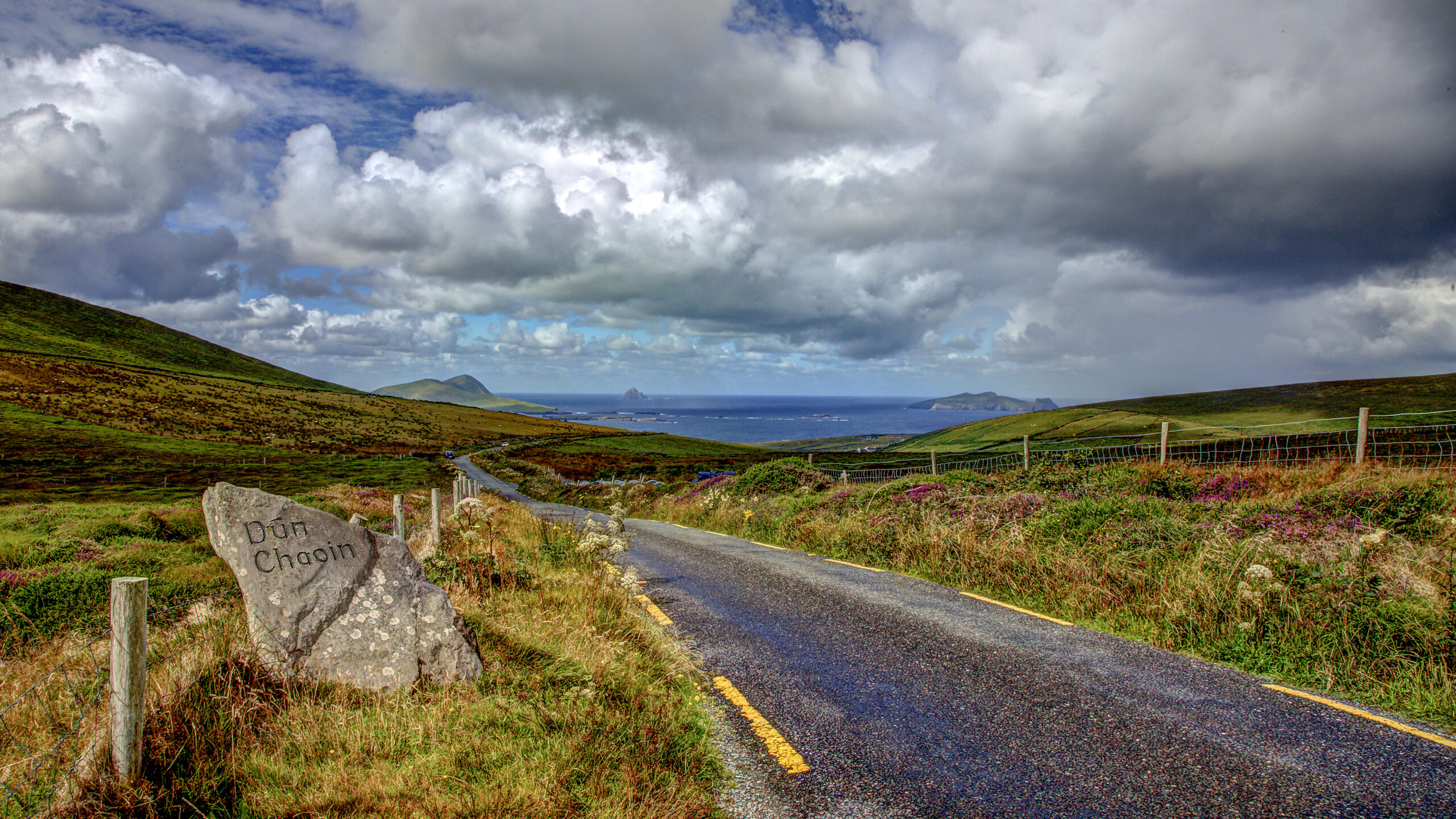
The Three Keys to a Great Photograph
Tip and Tricks Revealed by the Members of the Springfield Photographic Society
When you set out to take a great photograph, it is important to consider three key elements: the subject, the background, and the light. Great photographs often include an engaging subject set in a neutral or complementary background, bathed in soft light. As the photographer, your overall goal should be to isolate your subject in the best possible background and light.
Subject
Great subjects include: landscapes and seascapes, city scenes, plants, animals, and people. Many photographs have interesting subjects, but they do not have optimal settings or lighting.
Background
Be aware of your background! Many photographs fail because they are too cluttered, and therefore do not isolate or complement the subject. A neutral background highlights your subject, and is an ideal choice for a portrait. A complementary background provides context by showing your subject in its environment. Be sure to “frame” your subject, such as with overhanging branches. Or, if you are photographing a horse, you might try to capture a barn and mountain in the background. In a travel picture, you might photograph your companion with a famous place in the background. Use your eyes and feet. Walk around and assess the setting before shooting!
Compare the example of the photograph below, with a cluttered background, to those with neutral and complementary backgrounds.

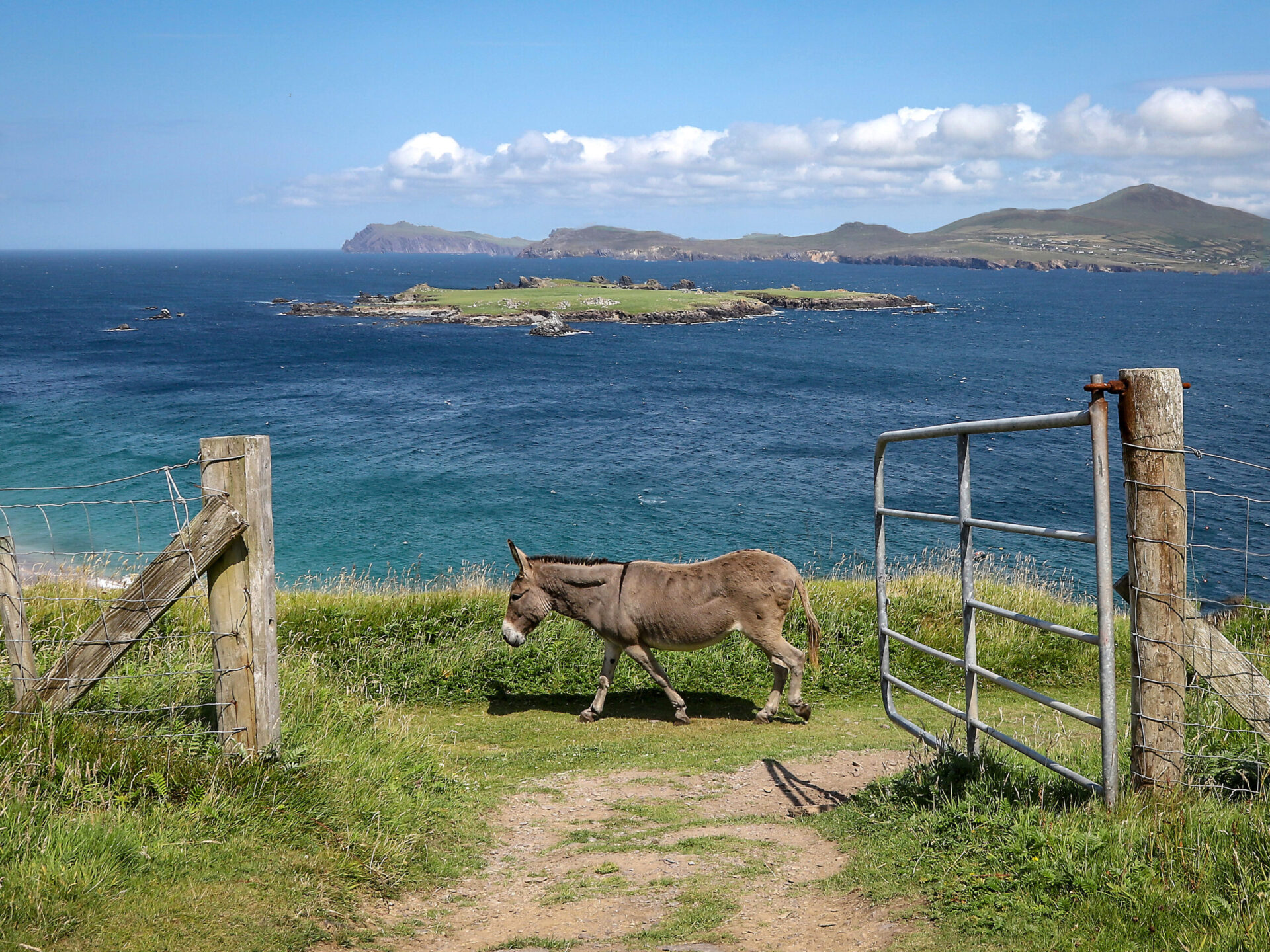

One way to find a neutral background is to get low, and use the sky. Take wide landscape pictures with big clouds, as in the samples below. The atmosphere will lend a unique look to your picture since every cloud is different.
… but don’t forget to look down for alternative neutral backgrounds!



Here are a few other tricks for creating ideal compositions:
- Frame your subject
- Include people in your landscape
- Use lines to draw the viewer’s eye through the scene



Light
Bright, midday light is often too harsh to produce the best photographs. In extremely bright light, highlights will be overexposed, and darker areas will not appear in detail. Alternatively, early morning light will allow you to capture the wide range of tones and colors in your picture. The two pictures below were taken at the same beach: one at midday and one in the morning. If you find a scene that has potential, but the conditions are not right the first time, go back again!


Additionally, overcast and rainy days can actually be good days to take pictures. On rainy days, get close to your subject and see how the colors pop. Leave out the sky; it will be all white and not very interesting.


Explore the subjects, backgrounds, and light depicted in the images on view in Capturing Our Worlds: Works by the Springfield Photographic Society at the D’Amour Museum of Fine Arts through June 26, 2022. Photography classes are also available from the Museum School.
Kevin Fay is the president of the Springfield Photographic Society.

Related Posts