A Dedication to the Black Artists and Cultural Leaders of Springfield
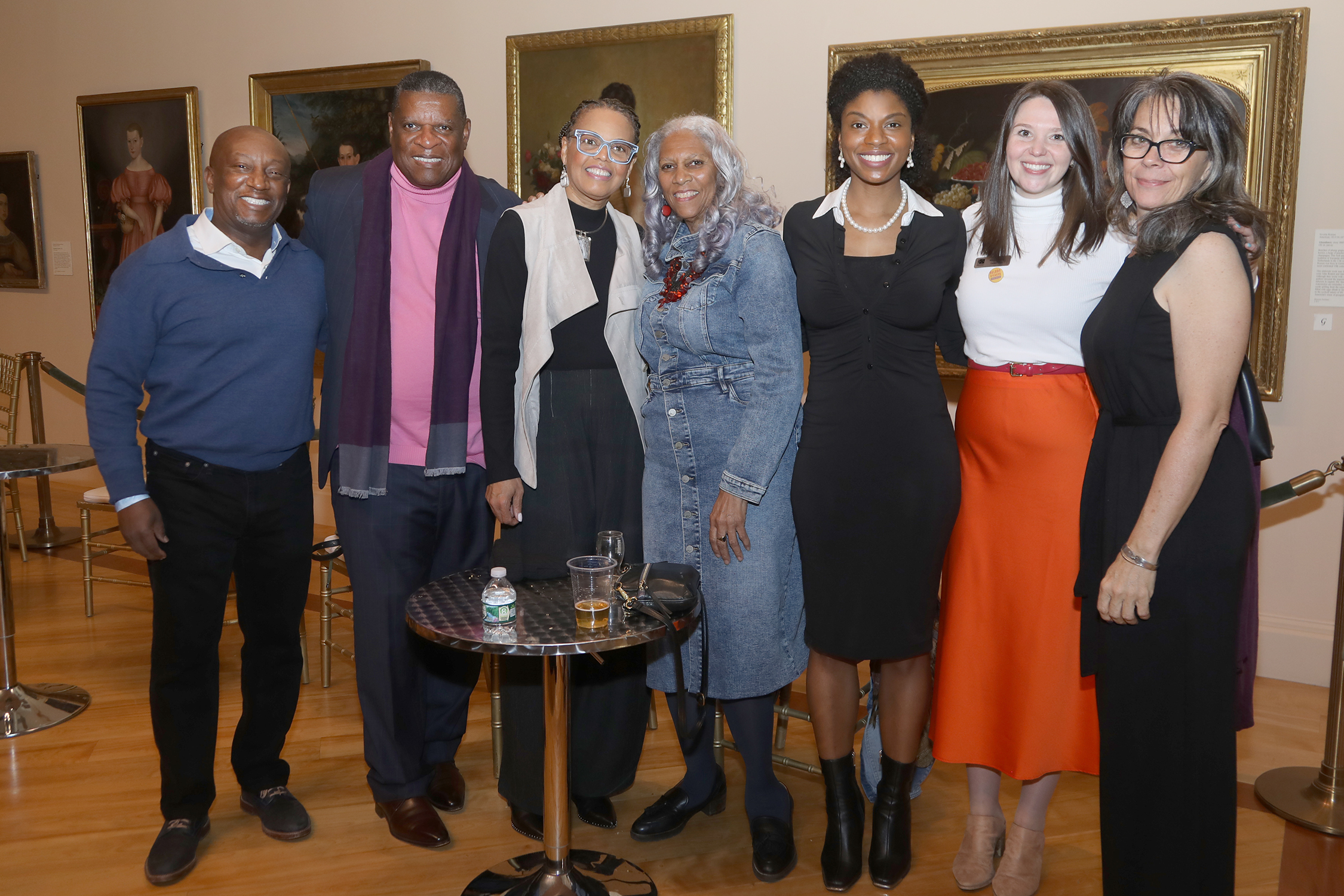
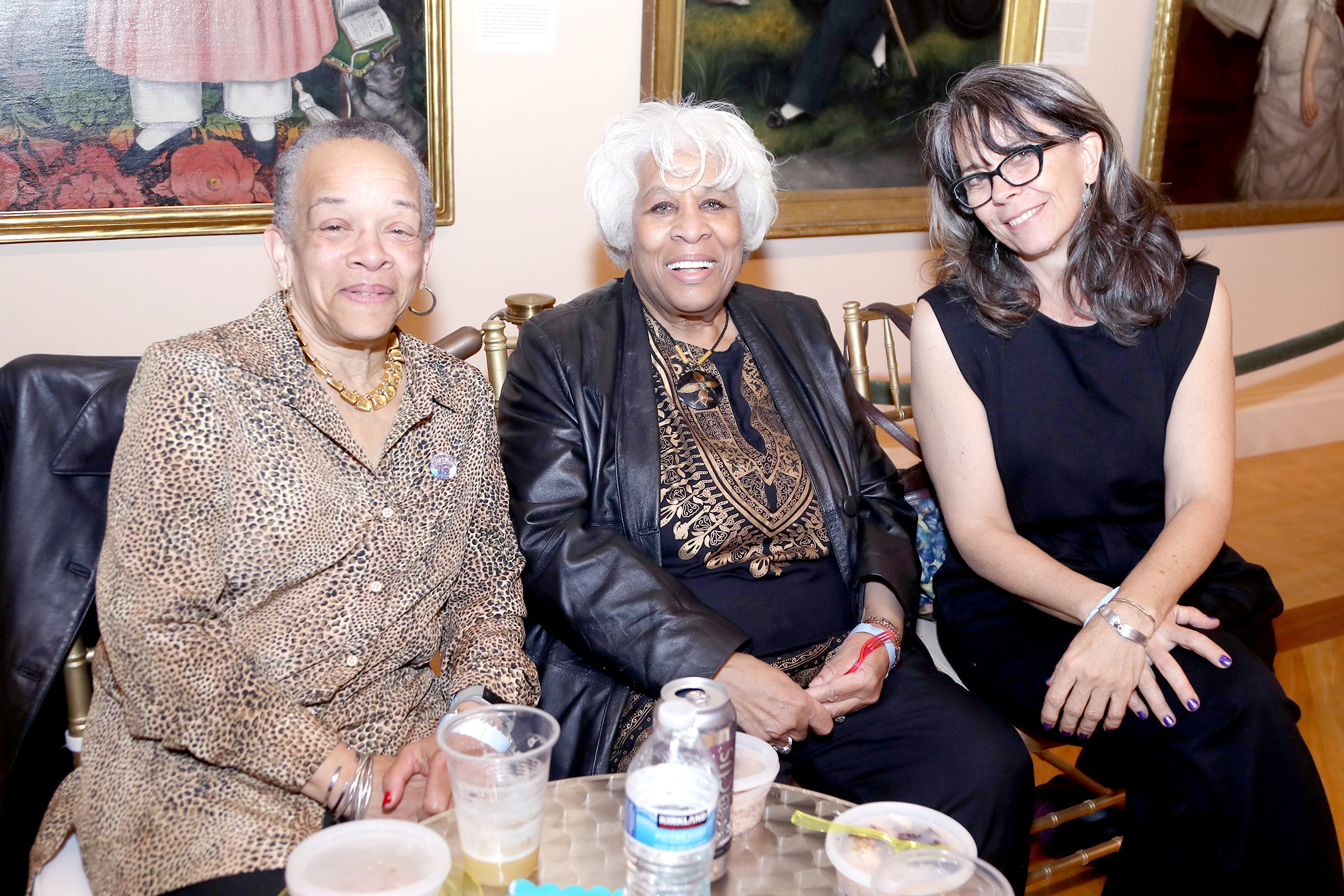
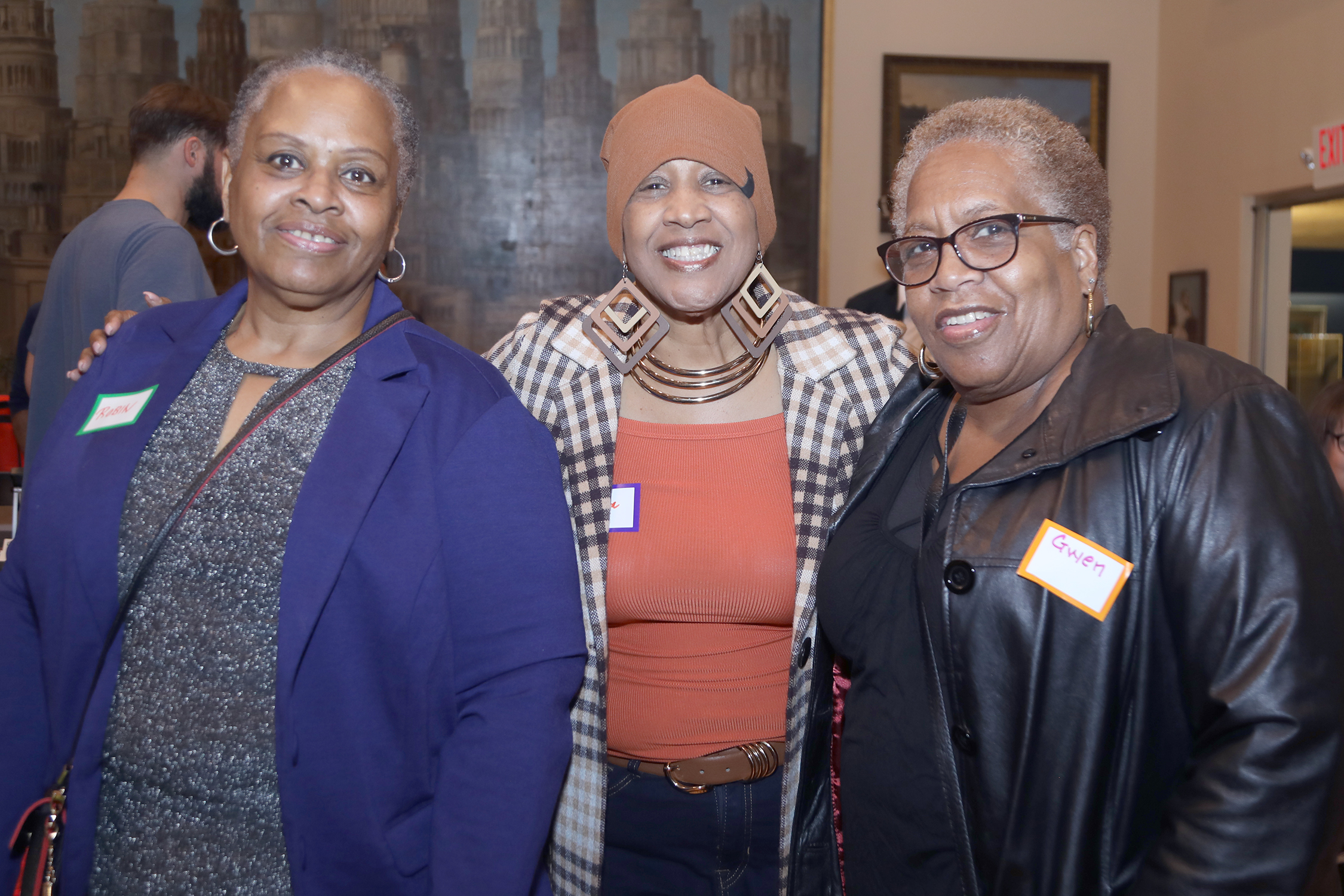
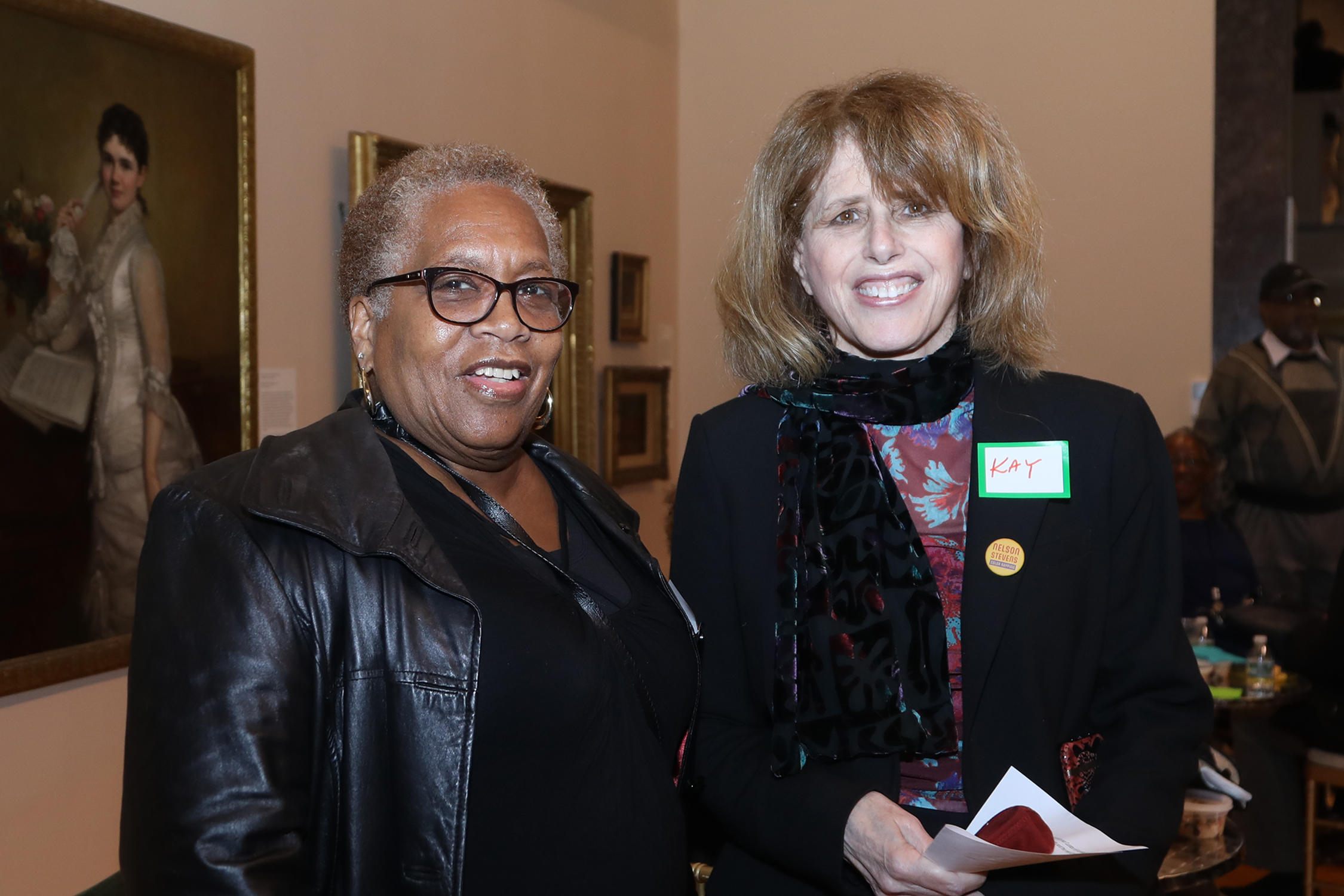
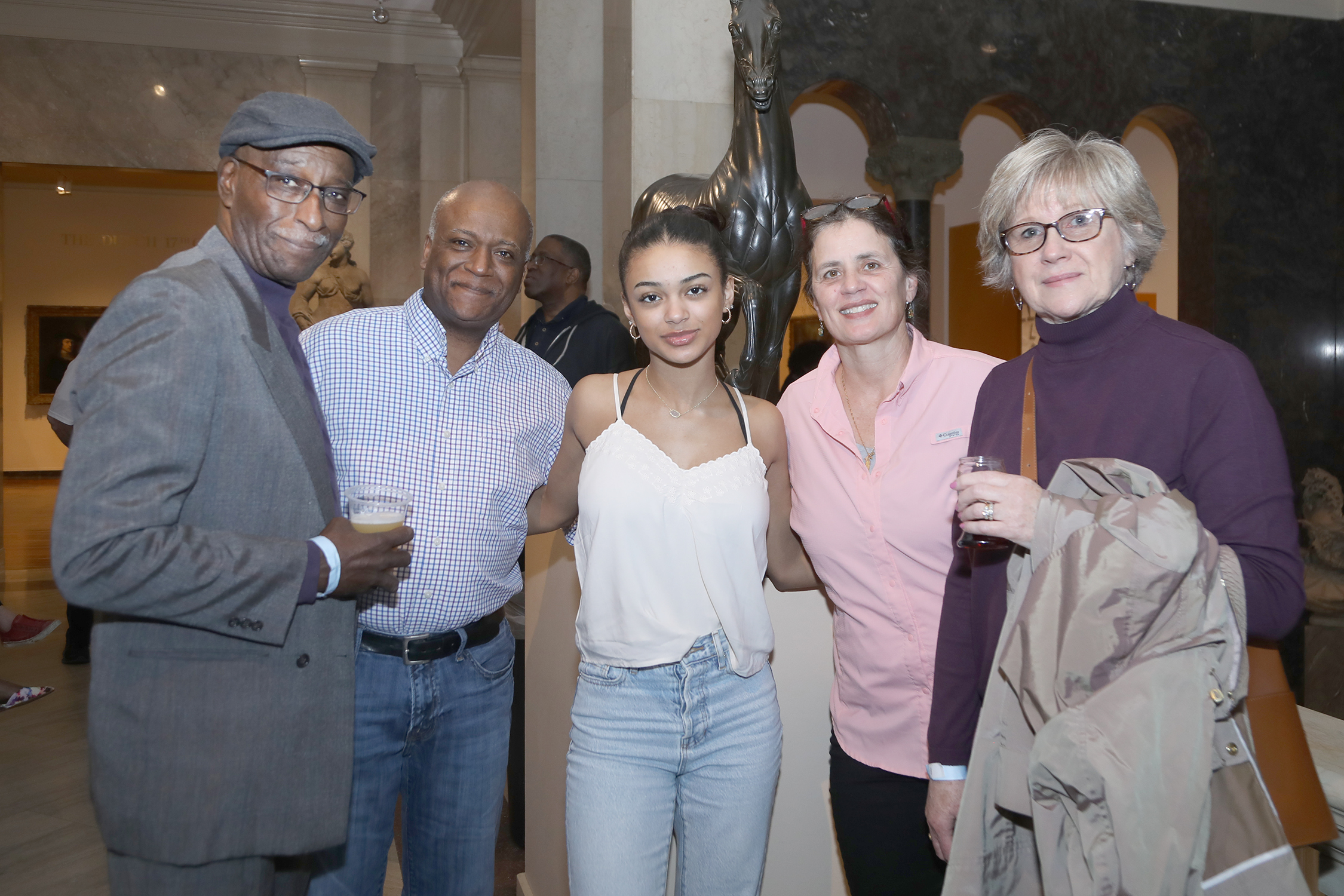
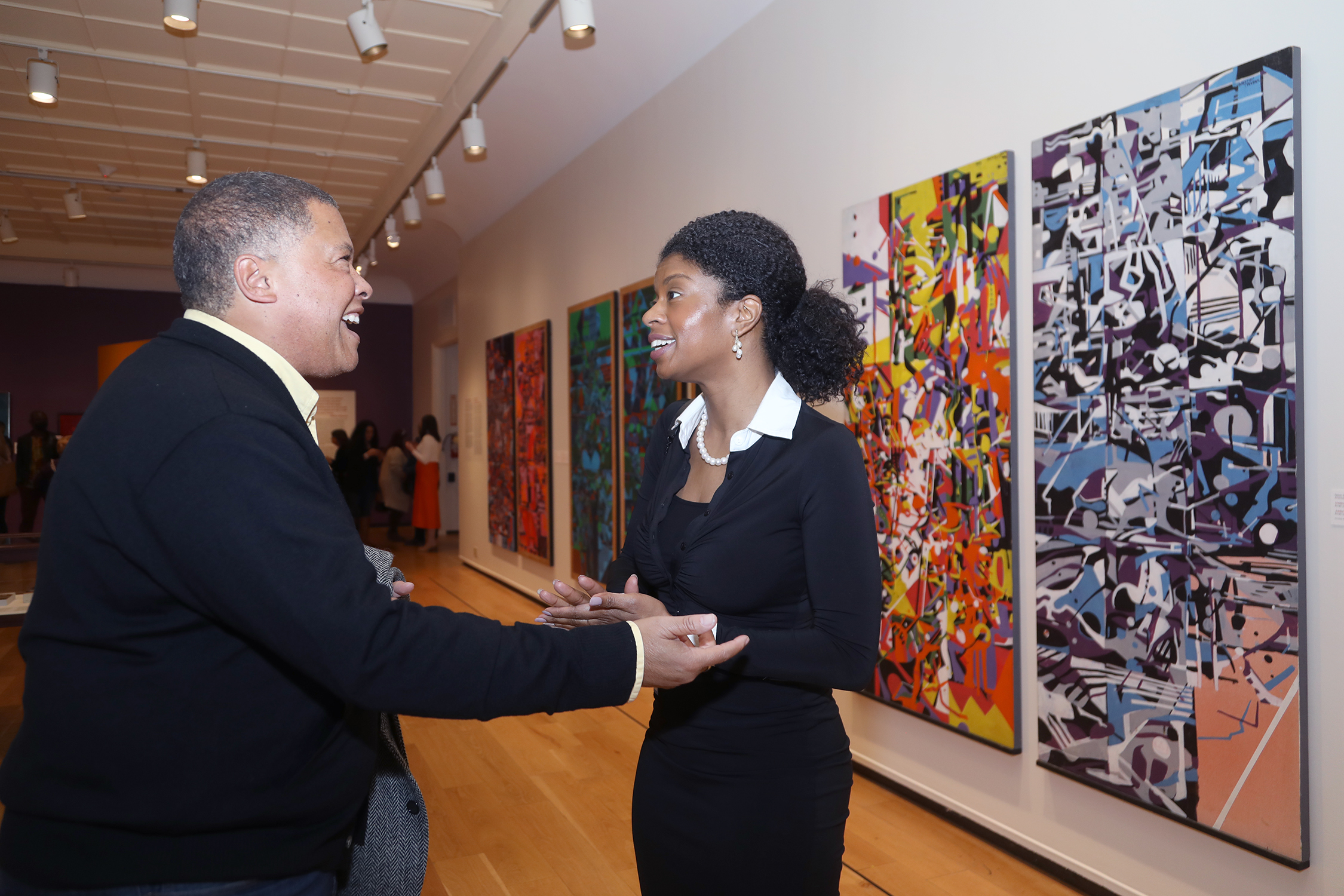
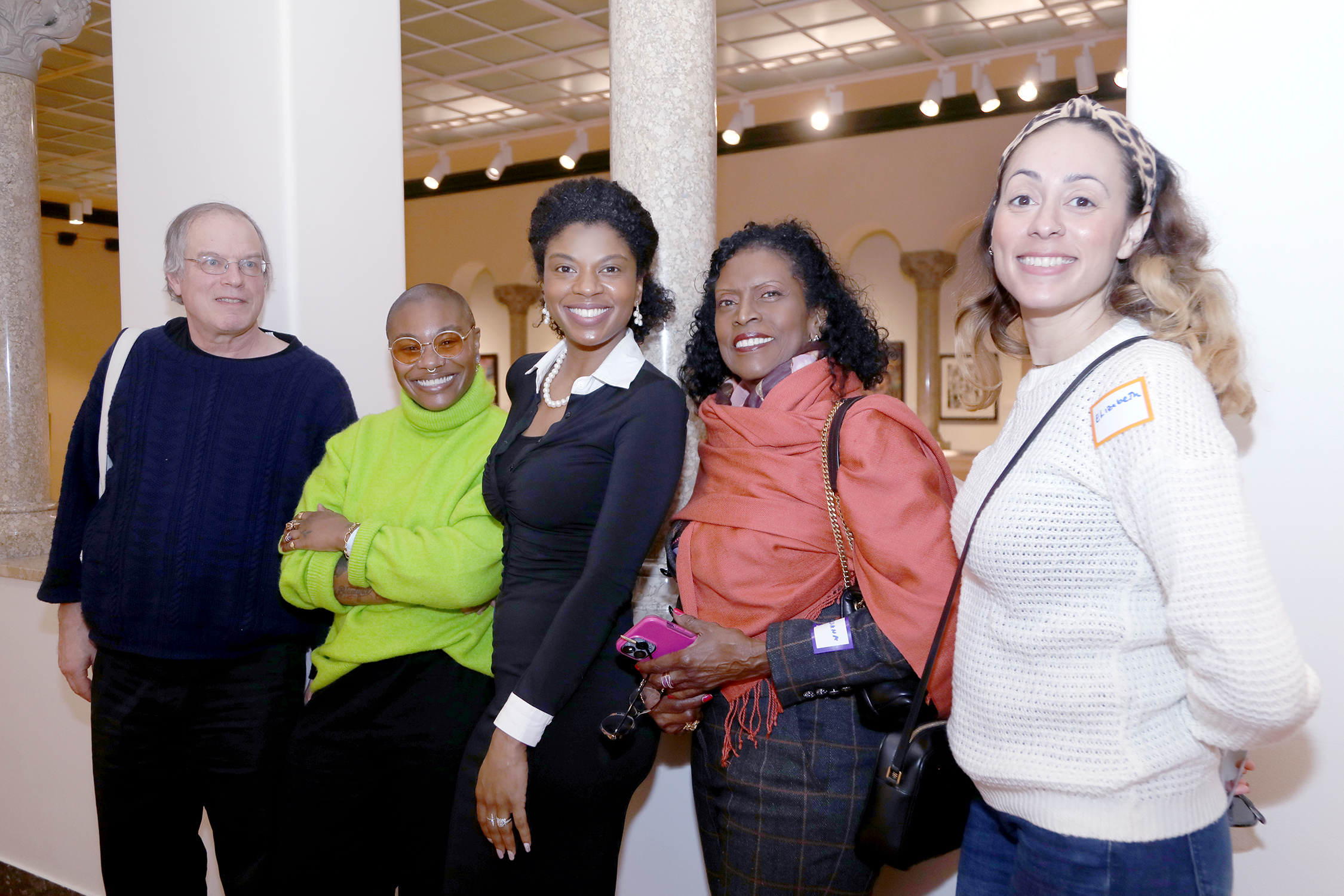
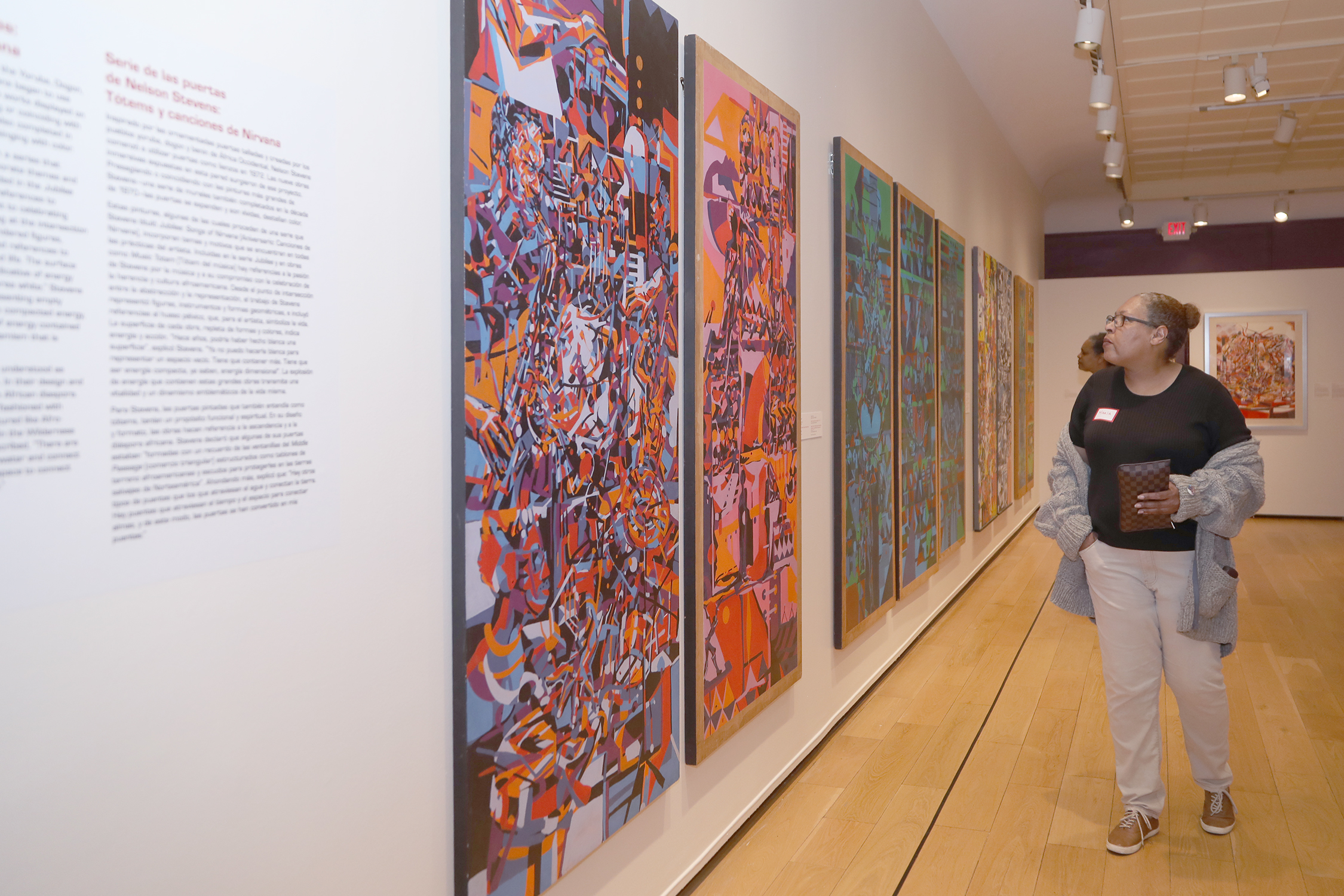
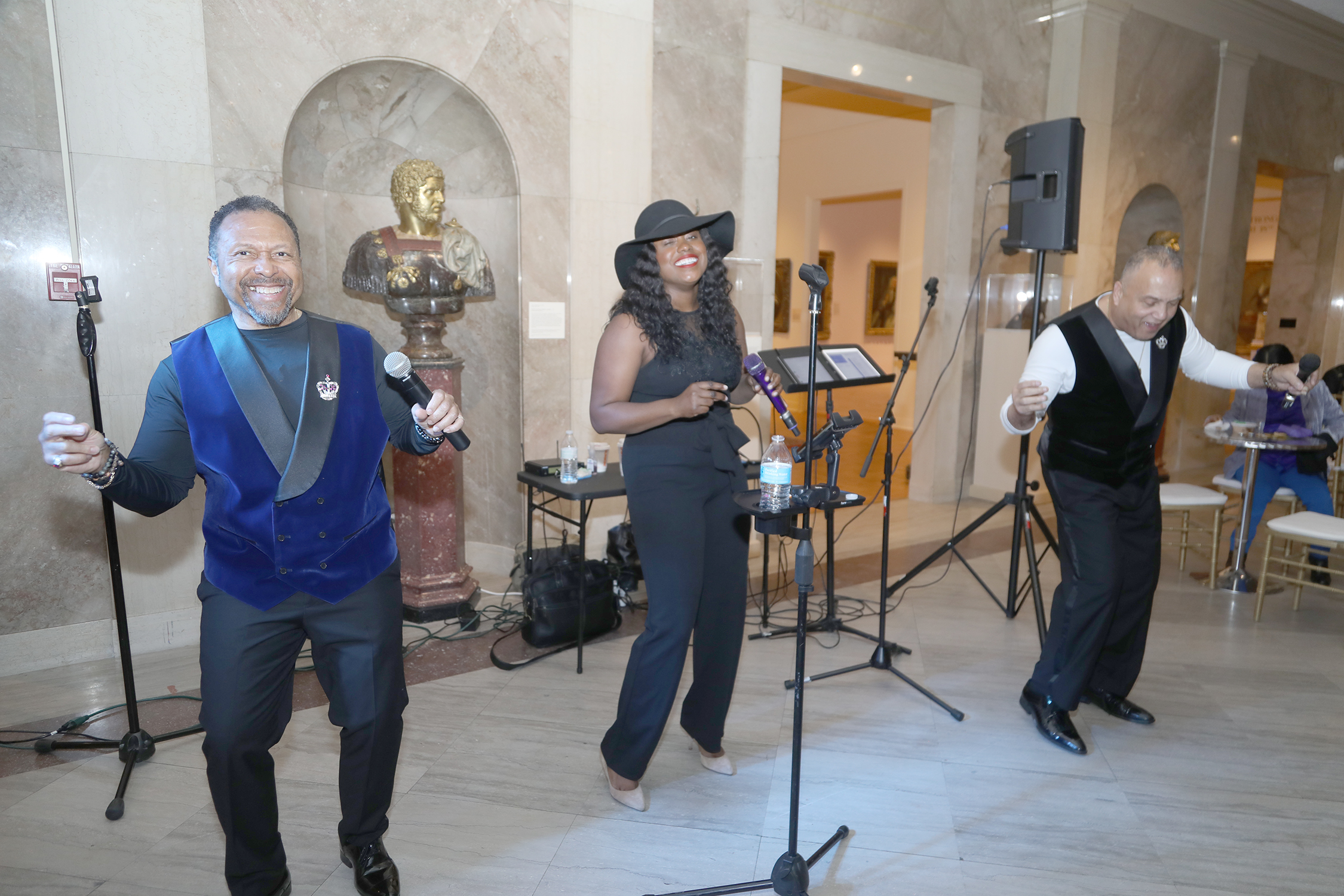
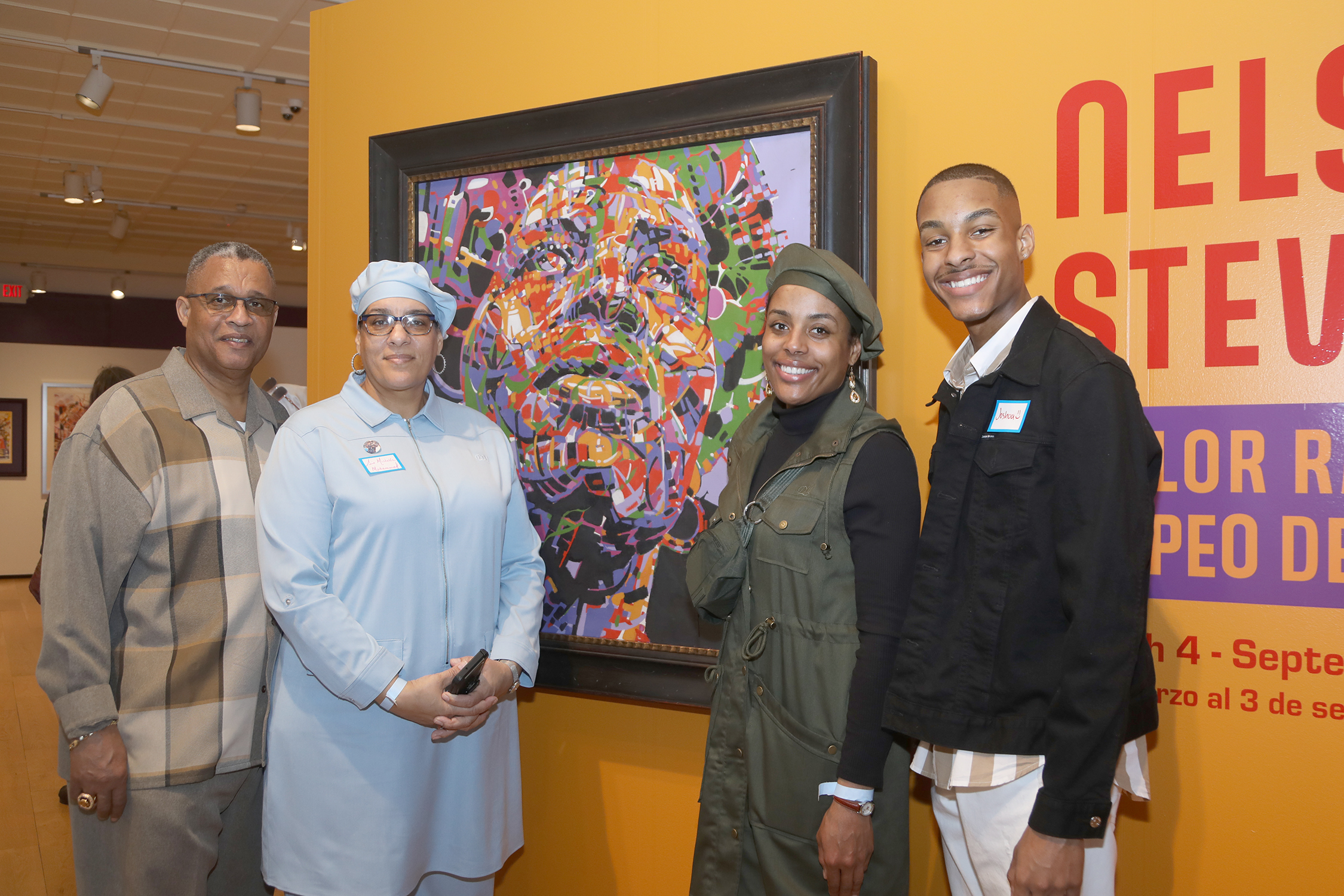
On a sunny Sunday afternoon in March, hundreds of Springfield residents and visitors gathered at the D’Amour Museum of Fine Arts to celebrate the life and legacy of artist-activist Nelson Stevens. For many, this community celebration would be their first viewing of his highly anticipated exhibition, Nelson Stevens: Color Rapping. Those who knew him personally were particularly excited to celebrate their old friend posthumously receiving the overdue institutional recognition he deserved. As sounds of live R&B music and chatter filled the air, I quietly observed visitors enthusiastically walking through the exhibition halls as they admired the various colorful, rhythmic paintings on view.
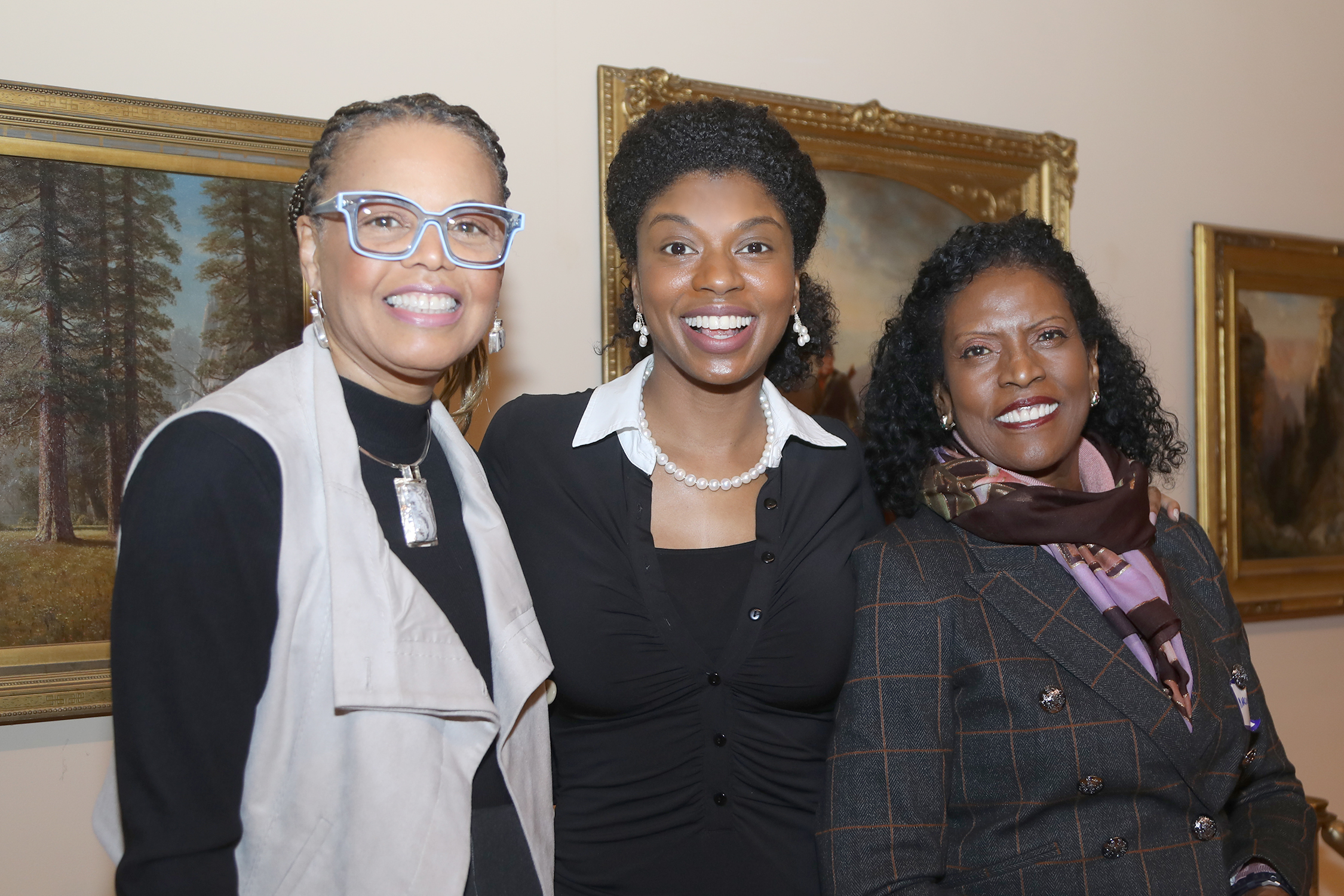
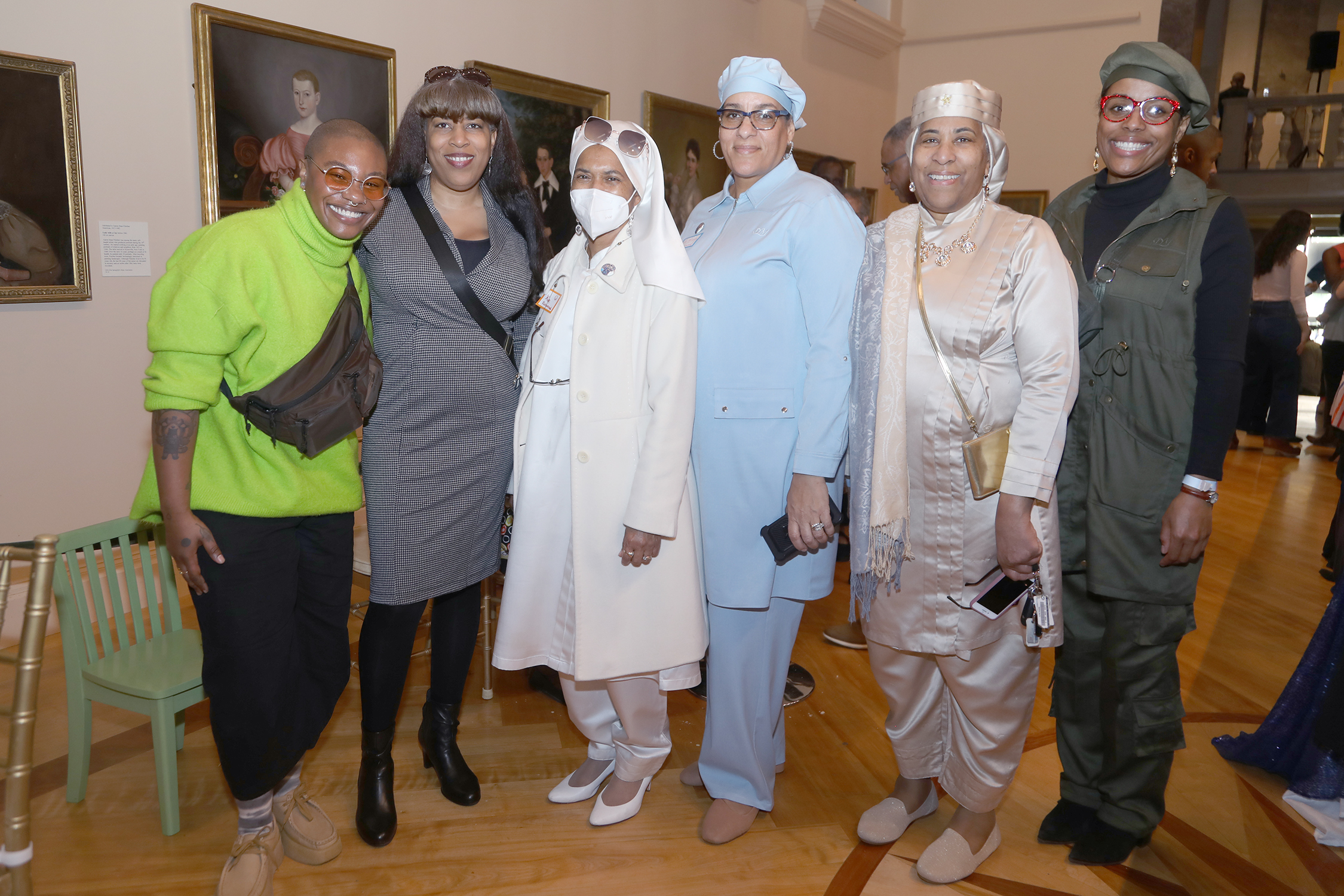
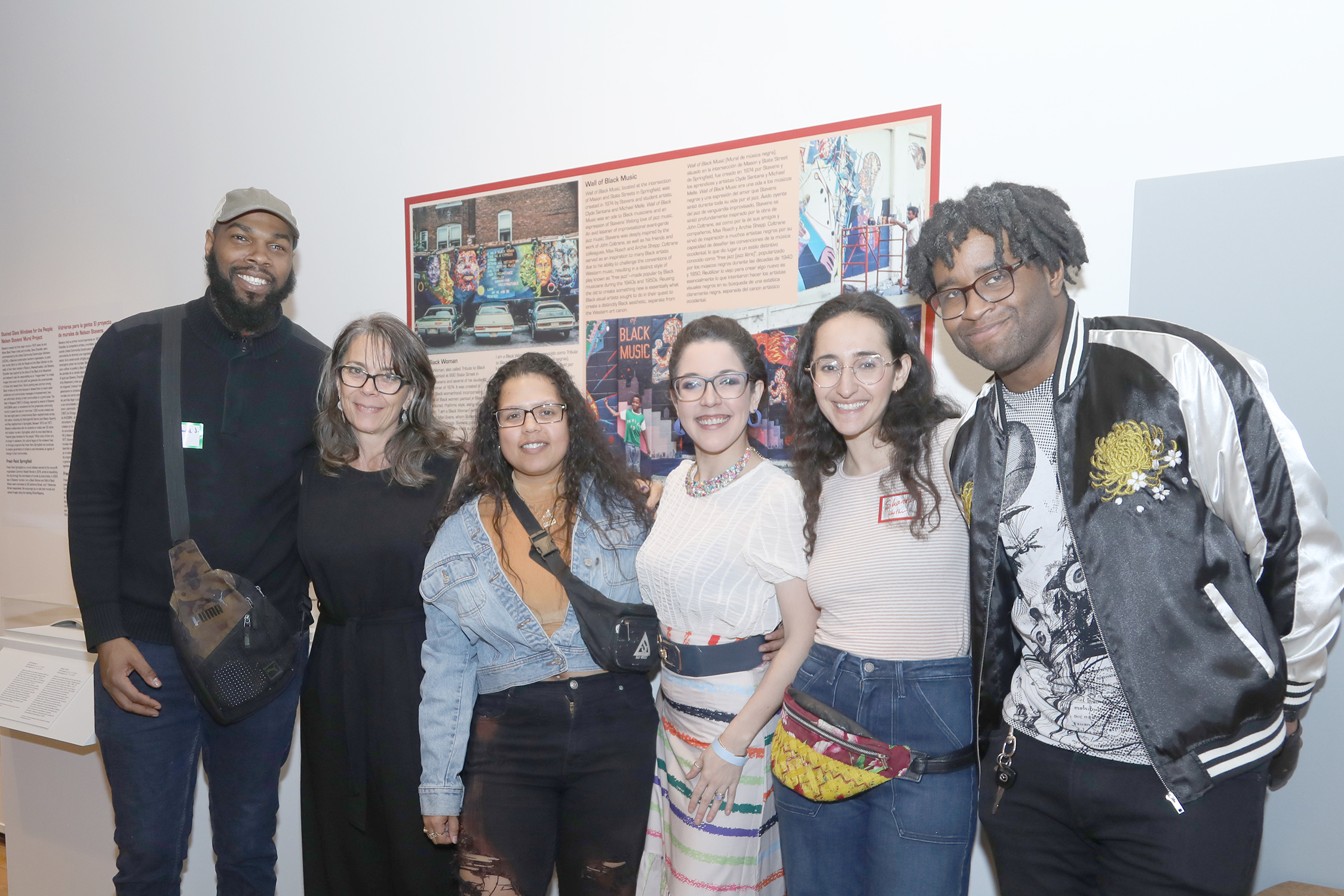
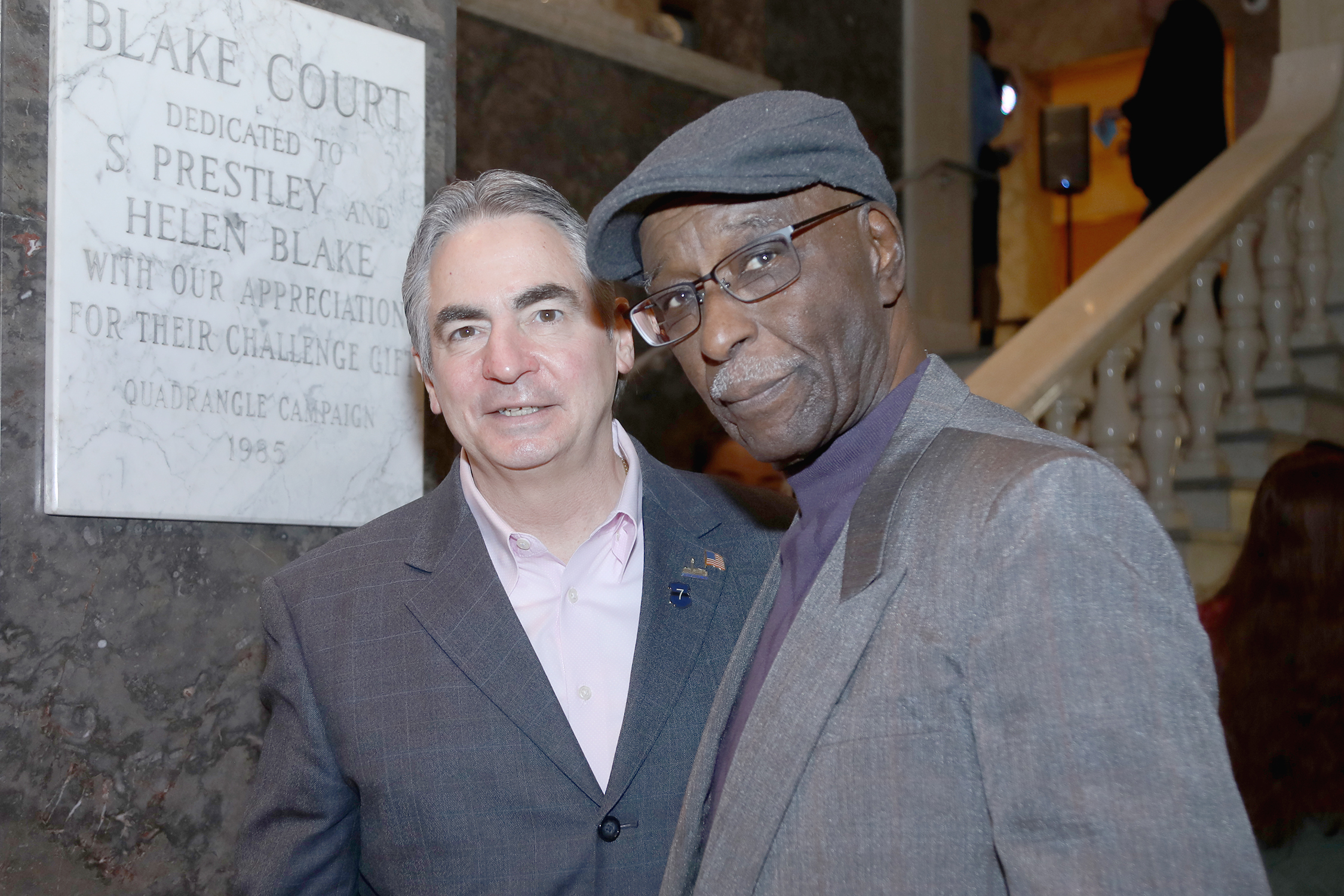
Perhaps, the most exciting aspect of the night for me was the opportunity to witness Black folks of varying ages and backgrounds beam with pride as they took pictures next to iconic renderings of Stevie Wonder, Malcolm X, and other artworks that valorized Black life. The energy and excitement of the day were palpable, and it is almost hard to believe that fifty years ago, an event celebrating a Black artist at this same institution—and others like it—would have been unheard of.
Despite the acclaim he later received for his artwork and community efforts, Stevens, like many Black artists of the ‘60s and ‘70s, grappled with the systemic racism of the art world. It was not uncommon for major museums and cultural institutions across the country to have very few, if any, artworks by Black artists in their permanent collections. When the Black Arts Movement emerged in 1965 following the assassination of Malcolm X, many of these artists not only protested these exclusionary policies but rejected the Eurocentric ideals of the Western art world altogether, focusing their attention exclusively on empowering Black audiences and beautifying their communities through the promotion of a Black aesthetic.
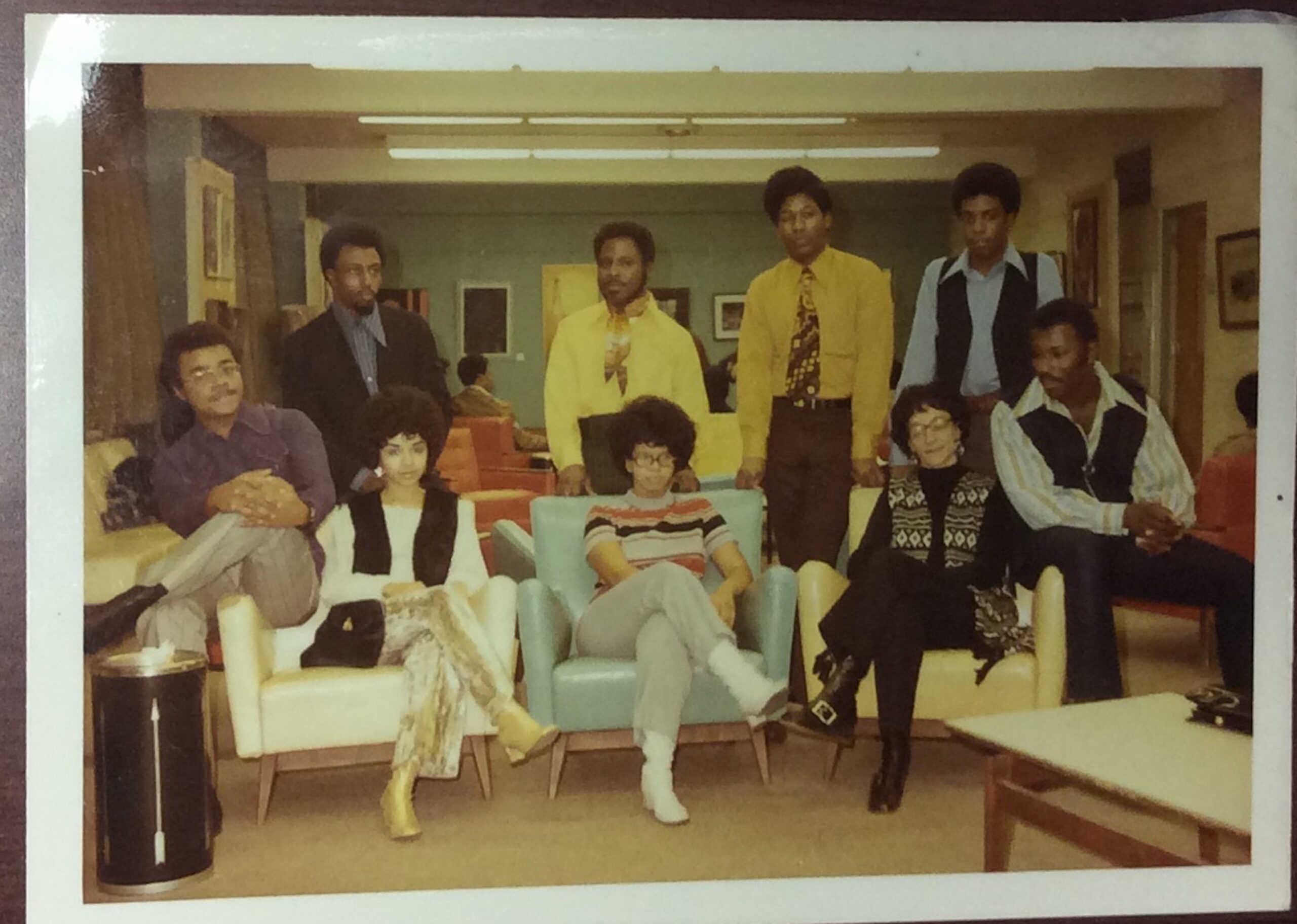
When Stevens arrived in Springfield in 1972, his intention was not only to further these goals, but to also impart them onto generations of artists coming behind him. As an image-maker and activist, he wholeheartedly believed that artists should first and foremost be of service to their communities. Because of this, he, alongside other local artist-activists and cultural workers like Josephine Edmonds, Don Blanton, Rosemary Tracy Woods, and LuJuana Hood, dedicated much of their lives to creating opportunities for minority artists in the area. The cultural landscape of Springfield as we know it would not be the same without their efforts. It is because of their countless sacrifices—many of which we will never know—that generations of Black Springfield residents have been able to experience Black art, history, and culture on a continuous basis, without having to leave their neighborhoods to do so.
As we continue to celebrate the legacy of Nelson Stevens, may we also celebrate the efforts of those who too, championed the notion that Black art and Black artists are not only necessary, but vital to sustaining the livelihoods of Black communities. We thank you. We love you. Asé.
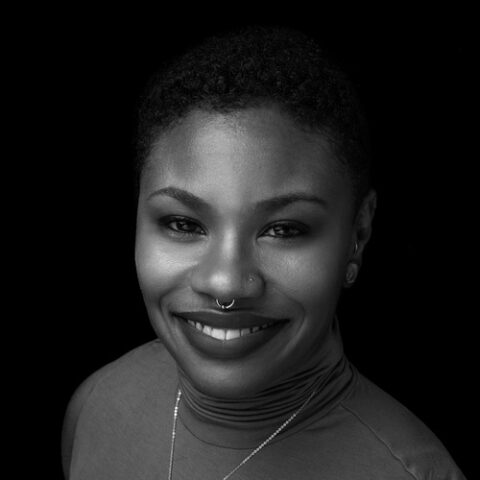 Kiara Hill is a professor of African American art history in the School of Art + Design at Portland State University and served as Curatorial and Interpretation Advisor for Nelson Stevens: Color Rapping.
Image: Springfield Afro-American Art Alliance (Exhibit at Springfield College), Front (L/R): Charles Jenkins, Thelma Hoffman, Donna Williamson, Josephine Edmonds, Donald Blanton, Back (L/R): Paul Blanton, Alto Daniels, Hoghan Williams. Image courtesy of the Josephine Edmonds Archival Papers.

Related Posts