Tracing the Lineage of African Americans in Western Massachusetts
The Archives at the Springfield Museums, located in the Lyman and Merrie Wood Museum of Springfield History, are an exemplary resource for learning about local history and uncovering links to a collective past. Many visitors plan trips to the archives to learn about familial history or draw greater connections to their surroundings. However, given that the advantage of having unlimited access to the past is not a privilege granted to all groups of people, The Documenting Black Lives in the Early Connecticut River Valley project seeks to further remedy this fact. This summer, in conjunction with approximately fifty community historical societies and small museums within the Pioneer Valley, the Pioneer Valley History Network is actively creating a database of historical resources. These resources will assist individuals and organizations in their respective pursuit of understanding and uncovering the lives of Black people and the impact of enslavement in the Connecticut River Valley region.
Documenting Black Lives in the Early Connecticut River Valley is presented by the Pioneer Valley History Network, the UMass Amherst Public History Program, and the UMass Amherst W.E.B. Du Bois Library. The project is funded through Mass Humanities and the UMass Public Service Endowment Grant. The organizations participating include the Amherst Historical Society and Museum, Belchertown Historical Association, the David Ruggles Center for Early Florence History and Underground RR Studies, Forbes Library, the Historical Society of Greenfield, Historic Northampton, the Longmeadow Historical Society, and the Wood Museum of Springfield History.
After putting forth a call for locations that would be willing to house the project during this phase, the host sites that have been heavily involved in the project are Springfield, Longmeadow, Belchertown, Northampton, Amherst and Greenfield. On June 19, 2021, or Juneteenth, the project hosted a kick-off event which included discussions related to the recovering of histories of enslavement and liberation in the Valley. Dr. Whitney Battle-Baptiste, Professor of Anthropology and Director of the W.E.B. Du Bois Center at UMass Amherst, delivered a keynote address which illuminated the importance of understanding and interpreting these stories in our local communities.
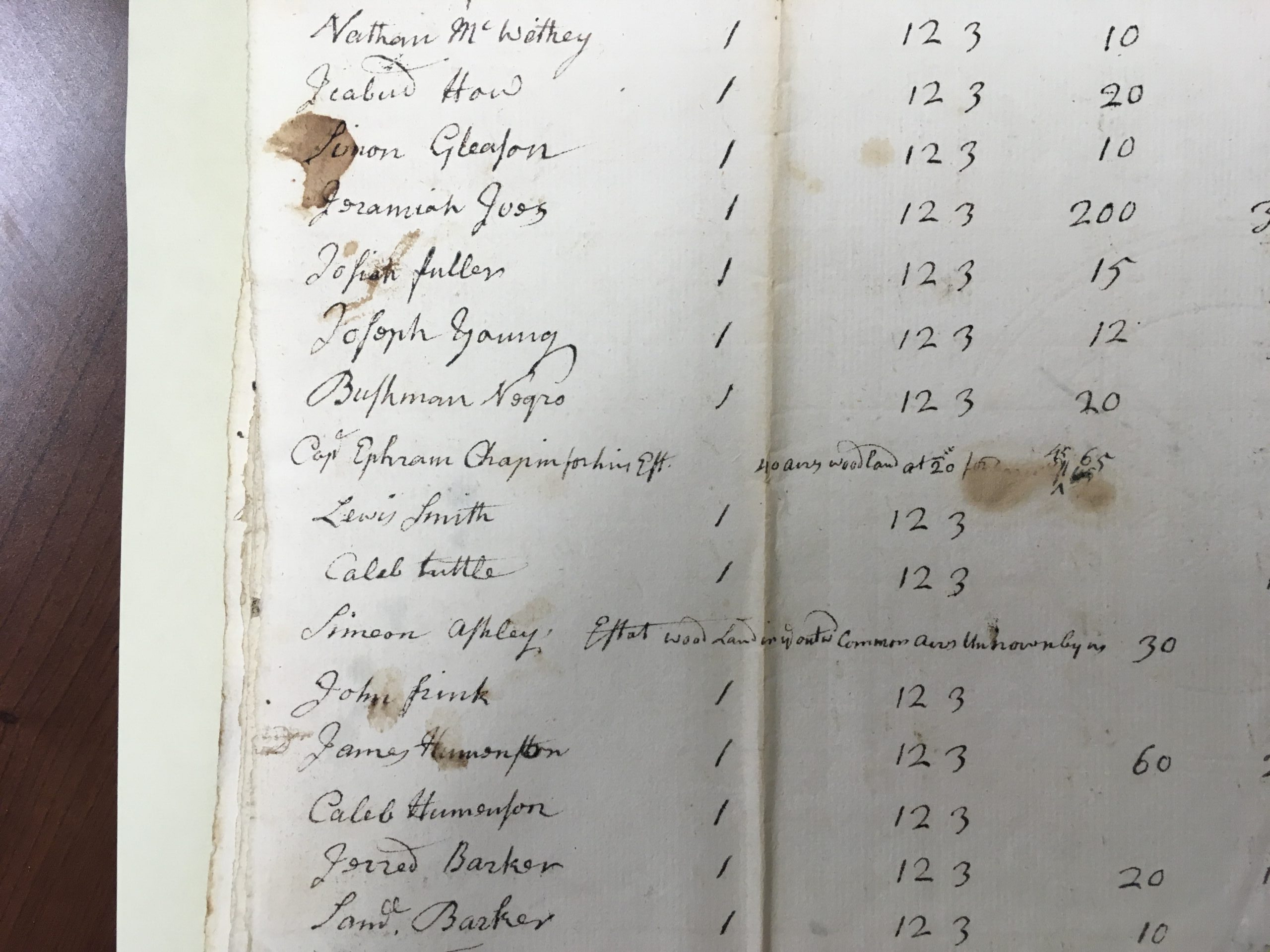
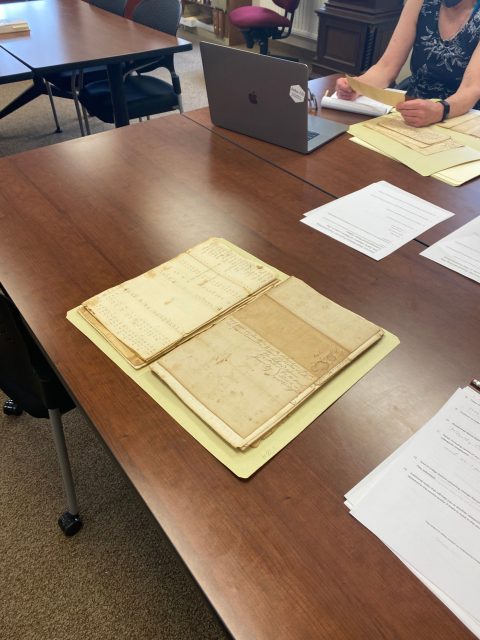
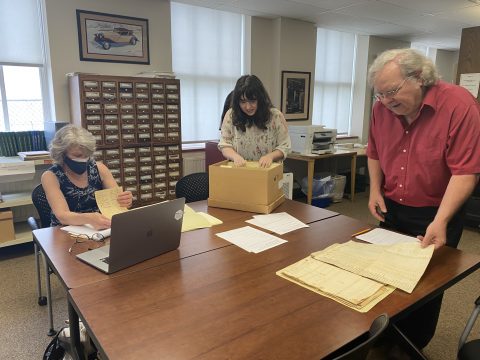
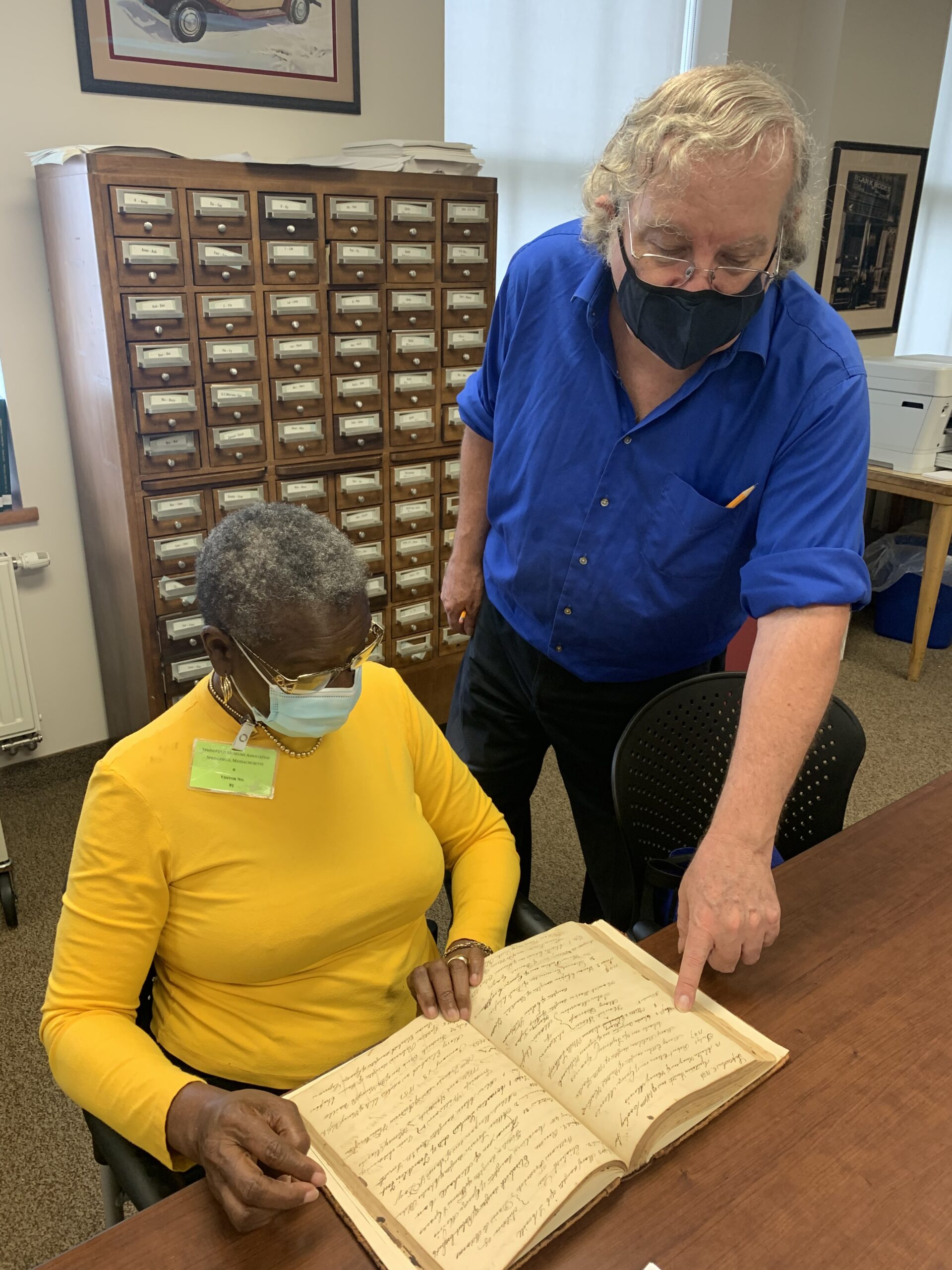
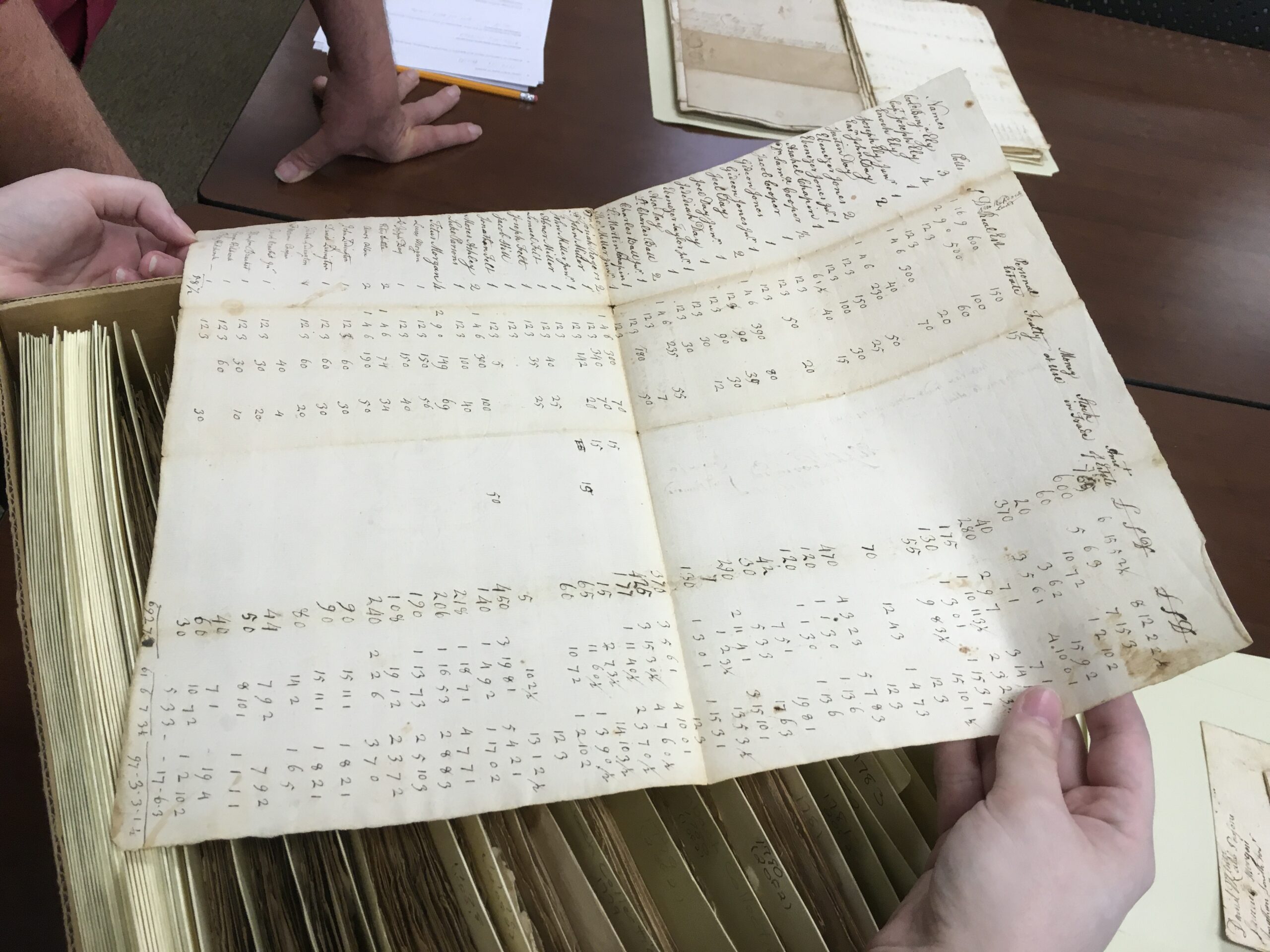
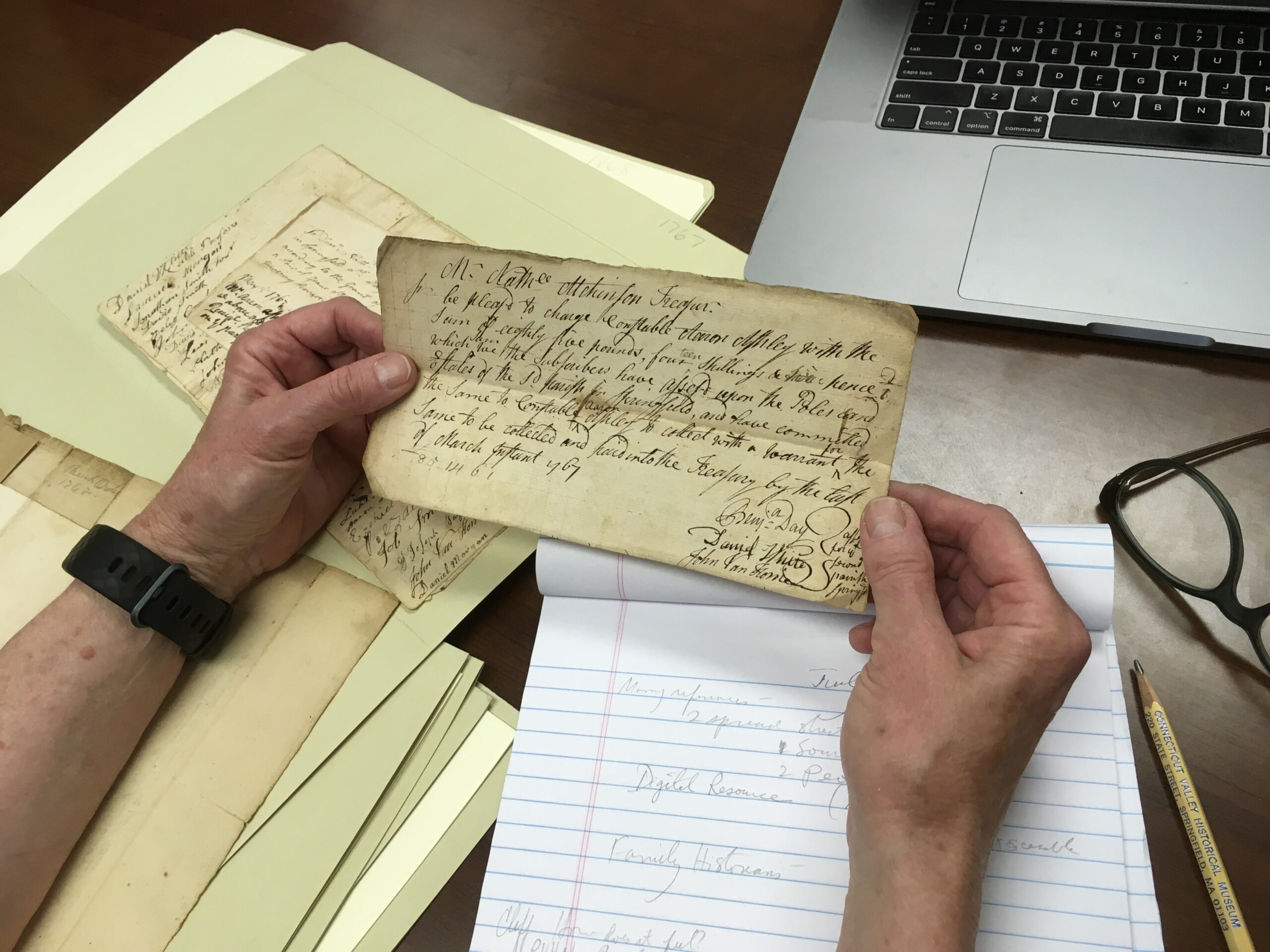
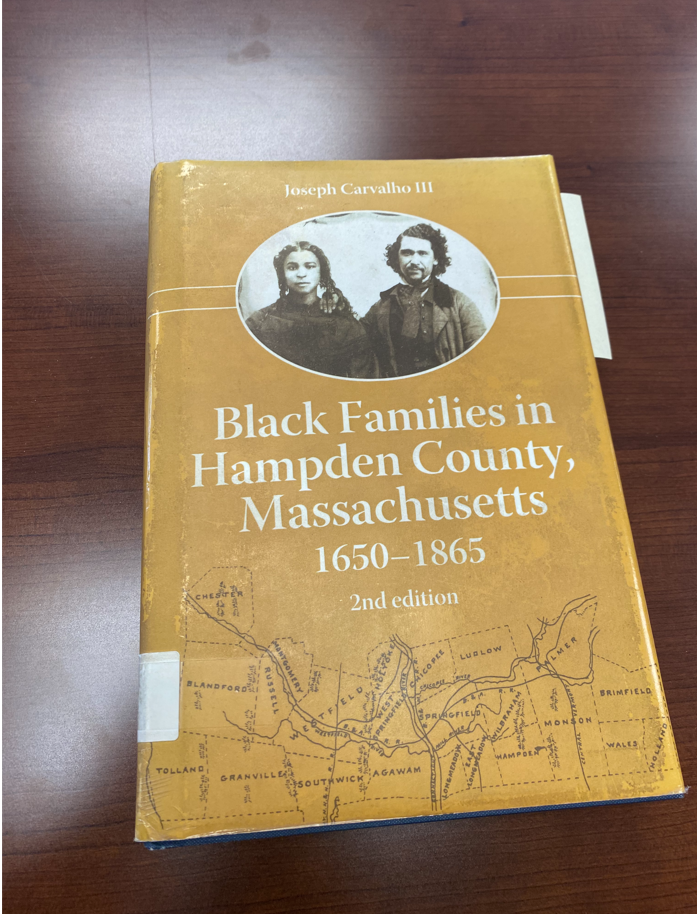
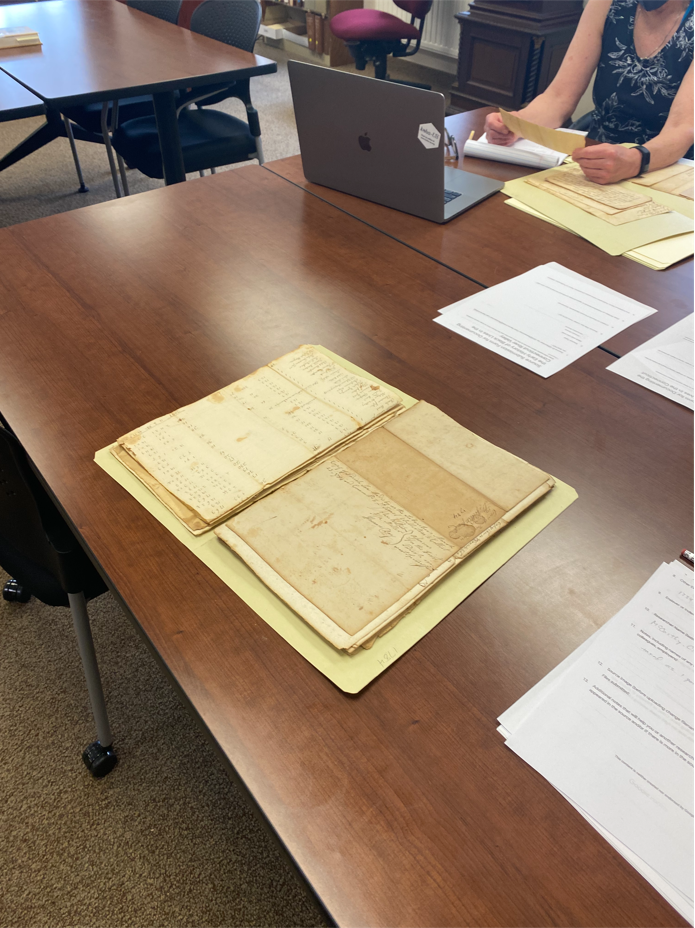
Since this time, volunteers from the area have committed their time and energies to the archival process. From sifting through account books to piecing together timelines that begin to tell the narratives of people who have lived and experienced this area in ways we could not imagine. Many of these narratives are accounts of those who sought refuge and immunity from slavery before its official abolition in the United States. Not only is the goal of this project is to deepen the understanding of the Valley’s connection and participation in the Trans-Atlantic slave trade but to teach individuals who may be interested how to do this work on their own.
“People from the community reached out to ask “how can we find some trace of African Americans that we know lived in our towns but have been erased or neglected in the collections that we have. We decided to put together a project that shows people how to do this process. We were a conduit to the historical society and museum community so it was a natural pairing.” said Cliff McCarthy, Springfield Museums Archivist, of the project. McCarthy, in conjunction with other archival volunteers and students (Zoe Cheek, Emma Lewis and Charlotte Murtishaw), have been dedicated to the unearthing of boxes of secondary sources and historical documents such as bank account ledgers. It was through these ledgers that they were able to distinguish African American who interacted with business owners and merchants which served as evidence of their presence in the areaFor example, if a Black person purchased something from a business, they would be denoted as “negro” or “colored” in the account book, said Zoe Cheek, researcher. “We can guess if the person lived nearby or was passing through by the number of times they show up in the ledger.”
The Springfield Museums are proud to house the efforts of this project which further highlights the rich lineage of Black Americans within our community and can be used as a future tool to help those who seek to learn more about their own backgrounds. If you are interested in learning more about your family’s genealogy, especially families of color, we enthusiastically invite you to visit the Springfield History Library & Archives and contact the Library and Genealogy Staff via the methods below:
Cliff McCarthy
cmccarthy@springfieldmuseums.org
413-263-6800, ext. 308
Maggie Humbertson
mhberston@springfieldmuseums.org
413-263-6800, ext. 311

Savannah Taylor is a member of the Marketing Team at the Springfield Museums. A recent graduate of Syracuse University, Taylor studied African American history and communications. She is a life-long Springfield resident.

Related Posts