Museum Book Club: Recommended Reading from Our Staff
Looking to curl up with a good book? Check out these recommendations from our staff.
Give while you shop! Bookmark smile.amazon.com and select the Springfield Museums as your preferred charity. That way, when you shop through AmazonSmile, they’ll send us 0.5% of every order you place, at no extra cost to you.
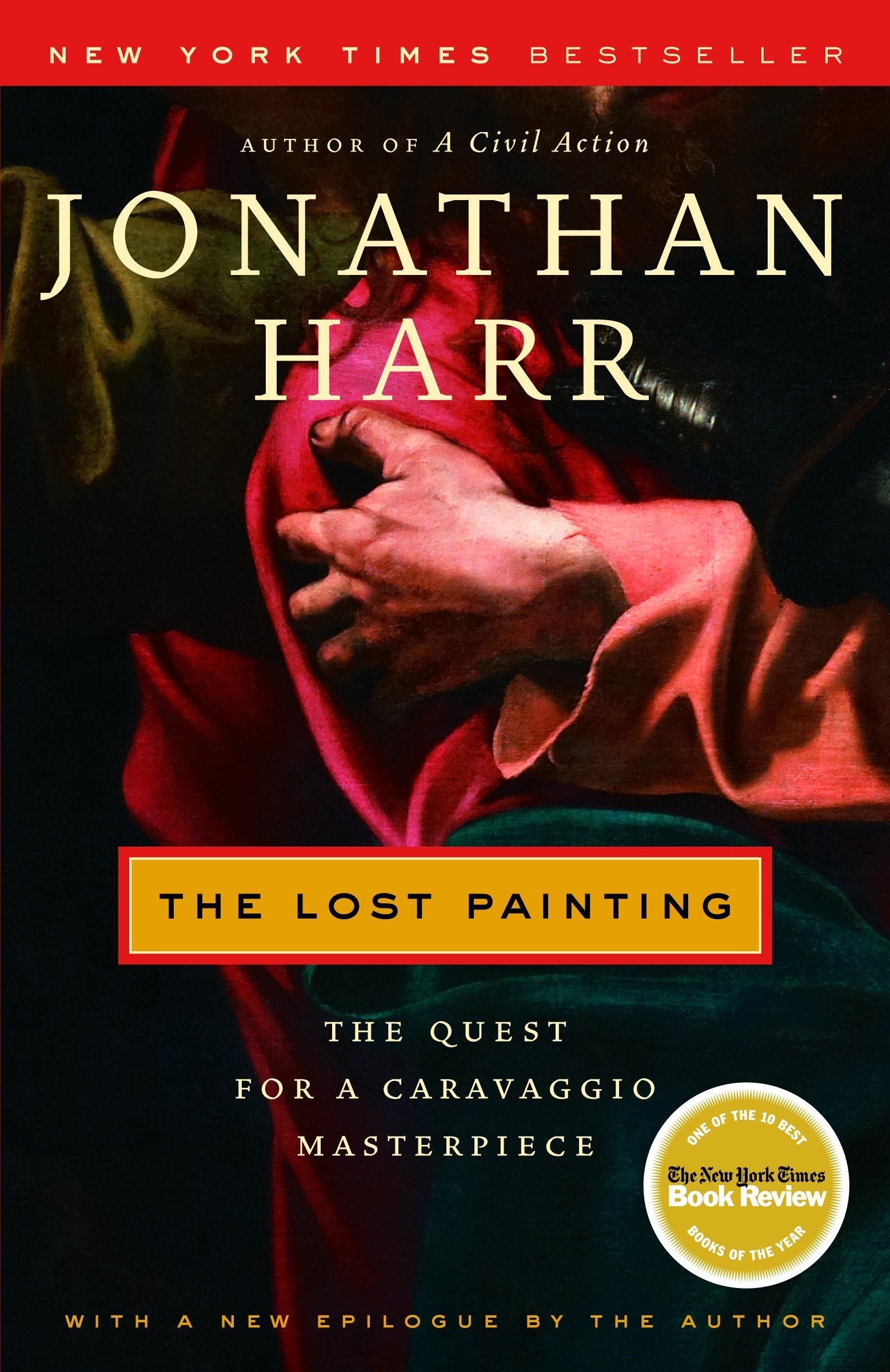
In its most exciting moments, art history is like detective work. Clues may be hidden in brushstrokes or footnotes, and a trail of evidence can lead one through volumes of books, across continents, into seldom seen archives, and in the best cases, to a priceless discovery. Jonathan Harr’s The Lost Painting: The Quest for a Caravaggio Masterpiece is the magnetic and true tale of one such art historical journey. The narrative follows two somewhat unlikely heroes, a young student and a world-weary conservator, who pursue similar leads before their paths converge in a search for Caravaggio’s lost work, The Taking of Christ. Due to Caravaggio’s artistic success, numerous copyists and followers reproduced or emulated his dramatically lit canvases, making the originals more difficult for today’s scholars to identify. In addition to an interesting and informed discussion of Caravaggio’s life and work, Jonathan Harr’s text includes references to these followers or “Caravaggisti.” A fantastic painting by one of Caravaggio’s most notable followers, Bartolomeo Manfredi, is represented in the collection of the D’Amour Museum of Fine Arts. After reluctantly putting down The Lost Painting some evenings before bed, I found my mind wandering to the deep reds, dark shadows, and emotive gestures represented in Manfredi’s Christ Crowned with Thorns. Evocative of the manner of Caravaggio, the Manfredi painting is a great companion to this worthwhile read, and vice versa.
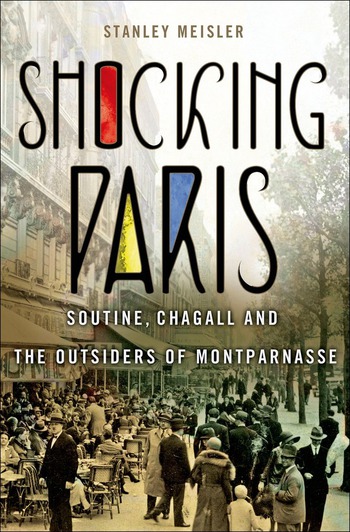
Shocking Paris: Soutine, Chagall and the Outsiders of Montparnasse is an absorbing account of the explosion of artistic activity and intriguing personalities that changed the cultural fabric of Paris between 1913 and the start of the Second World War. In the early 20th century, the city of Paris became a magnet for immigrant artists from across the continent including the Lithuanian artist Chaim Soutine, the Russian artist Marc Chagall, and the Italian artist Amedeo Modigliani. In the bohemian district of Montparnasse, these newcomers coalesced, creating works of art inspired by their homelands as well as by emerging styles such as Cubism and Fauvism. Many were Jewish émigrés who challenged the disturbing swell of anti-Semitism through their remarkable ingenuity and perseverance. Author Stanley Meisler, a diplomat and journalist, presents a well-researched and compelling description of this pivotal period in art history. As readers learn in the book’s introduction, Meisler’s connection to the story is personal: he is a distant relative of the tortured, yet bright expressionist painter Chaim Soutine around whom the narrative is configured. I came across this book while researching prints in the collection of the D’Amour Museum of Fine Arts for the exhibition Marc Chagall and Friends: The Salon des Indépendants, which was on view from July 2017 through January 2018. The book brought to life many of the artists about whom I was reading and informed the exhibition’s content. Shocking Paris will be a great companion to all those interested in modern history, art history, and stories creativity in times of adversity.
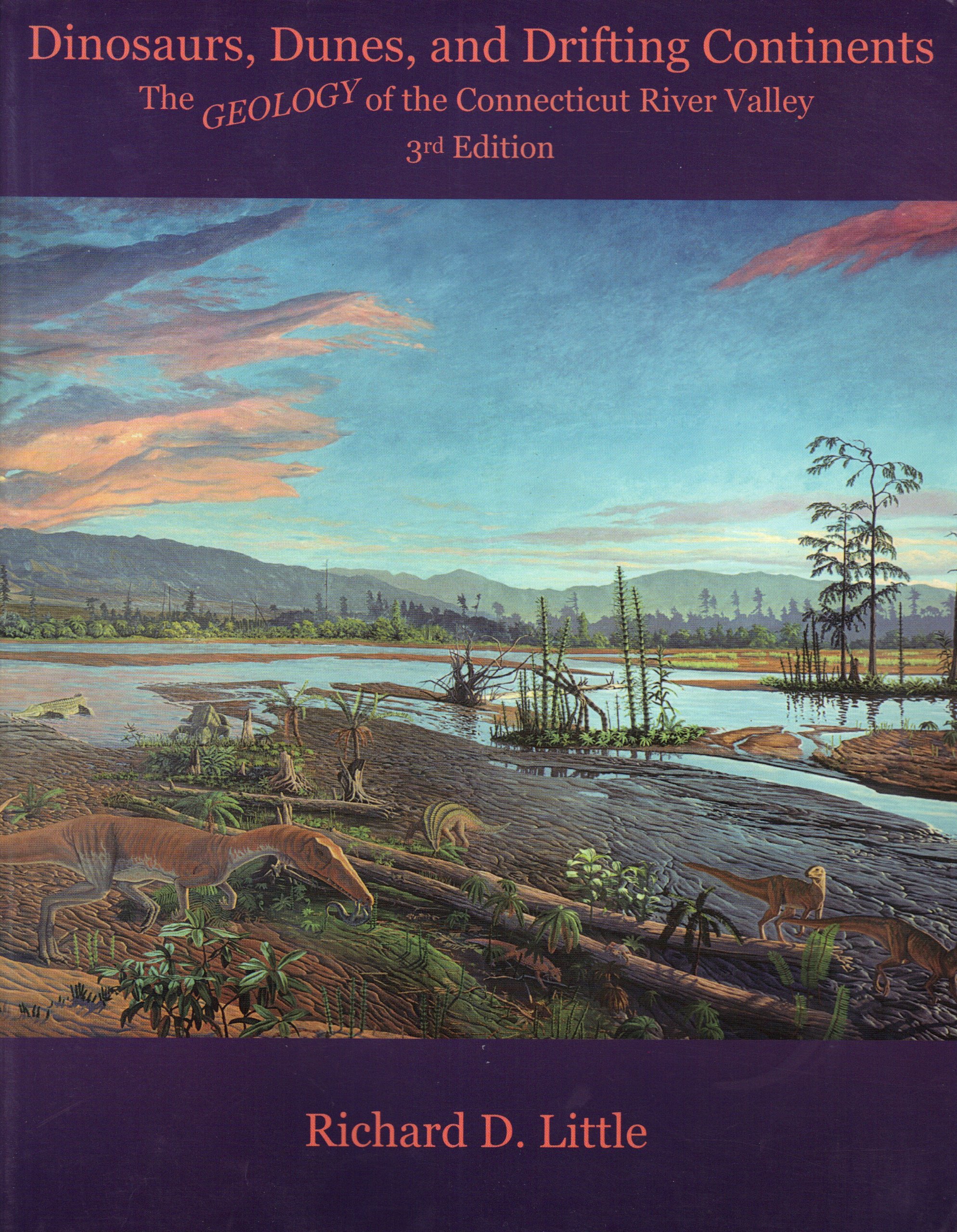
When I wanted to expand my knowledge in geology, I found a great resource in Dinosaurs, Dunes, and Drifting Continents by Richard Little. Professor Little taught at Greenfield Community College for many years and now offers geologic tours around the world. The book gives an overview of the geological past of our Connecticut River Valley, starting well before the time of the dinosaurs and continuing up to the present day. Our valley and the rocks we see are the products of several tectonic collisions and a great drop fault. And no, dinosaurs did not leave footprints on the shore of Lake Hitchcock. The lake is a much more recent feature. As you sort out the timeline along with Professor Little, you will also learn about some other local geological features such as the Holyoke Range. It is a small book but packs in a lot of learning between the covers and it has plenty of illustrations. Since writing the book, Professor Little collaborated with us here at the science museum as we developed our Mineral Hall and there is a video featuring him as well as a specimen he donated on display. The book is a fitting way to further your exposure to geology after visiting our exhibits.


Related Posts